In the heart of Ikeja’s government district, amidst high-level discussions on national logistics, a compelling vision for the future of urban mobility in Nigeria’s megacity was unveiled.
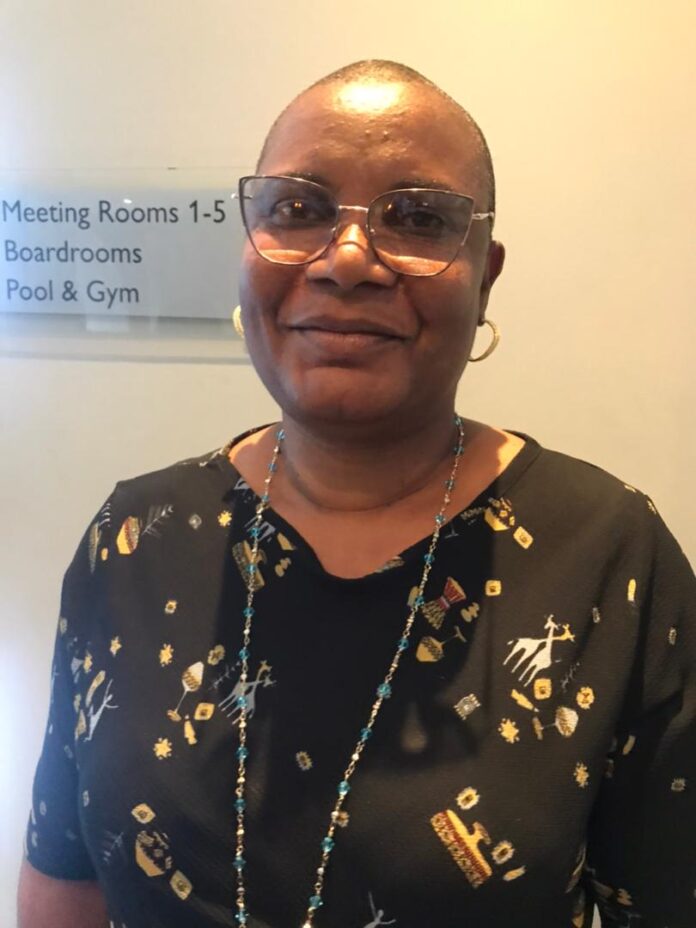
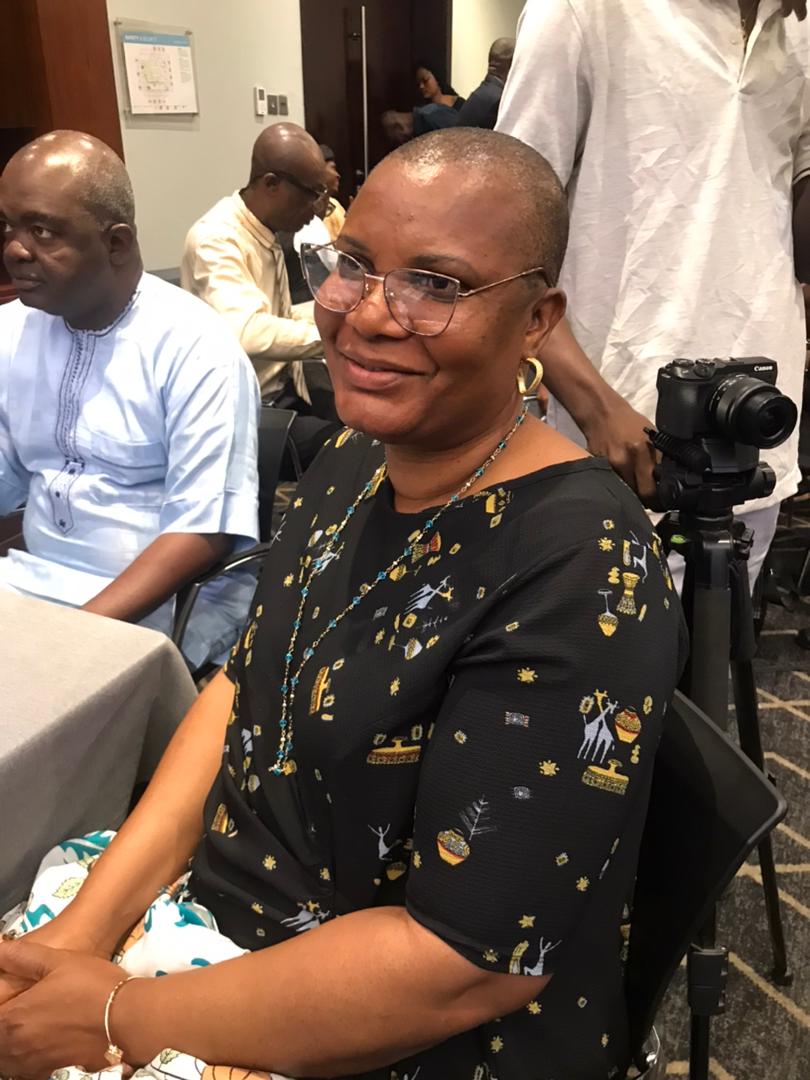
At the prestigious Transportation Correspondents Association of Nigeria (TCAN) 2025 summit, themed “Driving The Logistics Value Chains For Economic Growth,” the amiable Director of Public Affairs for the Lagos State Ministry of Transportation, Mrs. Bolanle Ogunlola, articulated a holistic and forward-thinking strategy being championed by the state government.

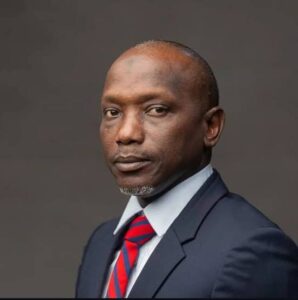
Representing the top echelon of the state’s transport leadership viz the Honourable Commissioner of Transportation, Hon. Oluwaseun Osiyemi, the Special Adviser to the Governor on Transportation, Hon. Sola Giwa and the Permanent Secretary of the Ministry, Mr. Olawole Musa, Mrs. Ogunlola presented a narrative of transformative progress, framing Lagos’s journey not as a completed project but as an ongoing revolution aimed at disentangling the city from its infamous gridlock.
The cornerstone of this transformation, as she detailed, is the strategic expansion of multi-modal transport options.
With the iconic Blue Line Rail already operational and the Red Line Rail advancing, the state is actively shifting the burden of mass movement away from its overstretched road network.
Mrs. Ogunlola emphasized that these rail systems are now effectively absorbing commuter traffic that would have naturally congested the roads, creating a faster, more reliable backbone for the city’s daily rhythm.
This rail renaissance is being complemented by a concerted effort to harness the city’s aquatic potential through the revitalization of its waterways, offering a scenic and efficient alternative to road travel and further diversifying the transportation ecosystem.
This philosophy is being structurally integrated into urban planning through the development of dedicated corridors for bicycles, envisioned to function with the same priority as the BRT tracks. She assured that the issue of bicycle tracks is firmly embedded in the government’s blueprint, signaling a commitment to creating a city where cycling is not a perilous endeavor but a safe, recognized, and encouraged form of transportation.
Mrs. Ogunlola’s address painted a picture of a Lagos in transition—a city methodically layering rail, road, water, and pedestrian pathways into a cohesive and seamless system.
This multi-pronged approach, under the watch of Governor Babajide Sanwo-Olu, represents a fundamental reimagining of urban life. It is a recognition that the future of a megacity’s mobility lies not in building more roads for cars, but in creating intelligent, integrated, and inclusive alternatives that empower its citizens to move freely, healthily, and efficiently.