


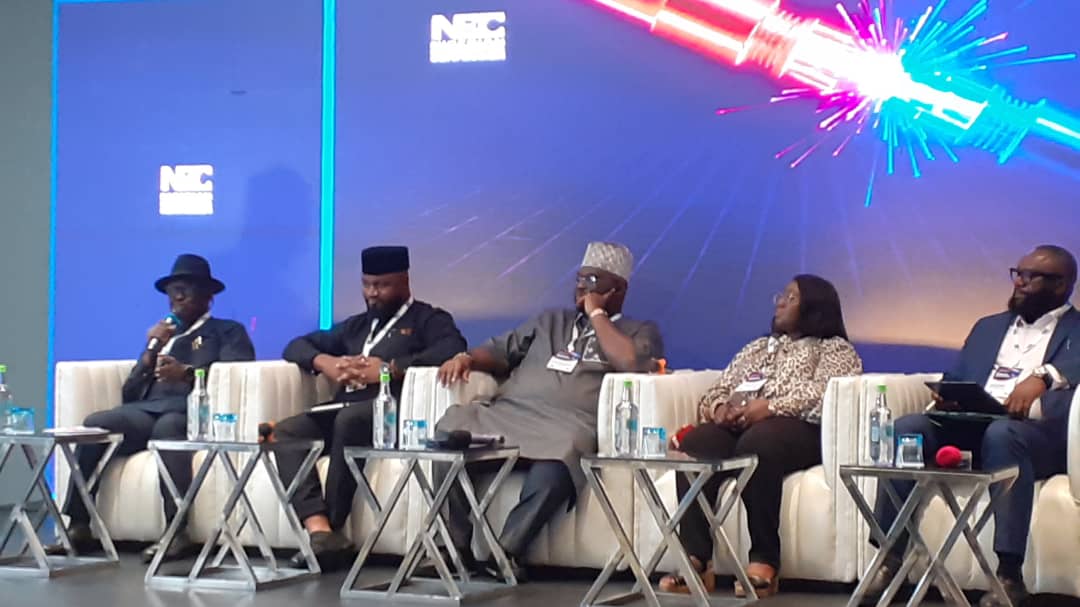
 In the bustling heart of Lagos, where the pulse of Nigeria’s digital economy beats strongest, a pivotal conversation unfolded at the Radisson Blu Hotel, Ikeja.
The NCC Stakeholders Consultative Forum on Skill Gaps in the Telecom Value Chain brought together industry titans, policymakers, and innovators to address one of the sector’s most pressing challenges: the yawning chasm between the industry’s technological advancements and the human capital required to sustain them.

Among the voices leading this charge was Mr. Abdulrahman Akanbi, CEO of SYCOM INTEGRATED SOLUTIONS, a visionary leader whose UK-based enterprise maintains a strategic foothold in Lagos, embodying the very transnational synergy needed to propel Africa’s telecom landscape into the future.
Mr. Akanbi, seated confidently among a panel of experts, articulated a compelling vision for bridging the telecom value chain skill gaps that threaten to stifle innovation and growth across the continent.
With the authority of a practitioner who navigates both European and African markets, he emphasized that the solution lies not in isolated interventions but in a holistic ecosystem approach. He highlighted how SYCOM’S model—leveraging global expertise while deeply embedding itself in local contexts—exemplifies the kind of cross-border collaboration necessary to cultivate homegrown talent capable of competing on the world stage.
The telecom value chain, he noted, extends far beyond infrastructure deployment; it encompasses everything from fiber optic technicians and cybersecurity specialists to data analysts and customer experience architects, each requiring tailored training pathways aligned with industry demands.
Central to Mr. Akanbi’s discourse was the critical need for public-private partnerships to drive sustainable upskilling initiatives. He outlined SYCOM’S commitment to developing accredited training programs that blend theoretical knowledge with hands-on, practical experience, ensuring that graduates are not merely certified but truly competent.
He also spotlighted the role of digital learning platforms and simulation technologies in democratizing access to high-quality education, particularly for youth in underserved regions. Moreover, he called for industry-wide standards and certification frameworks that would ensure consistency and recognition of skills across borders, facilitating mobility and career progression for African telecom professionals.
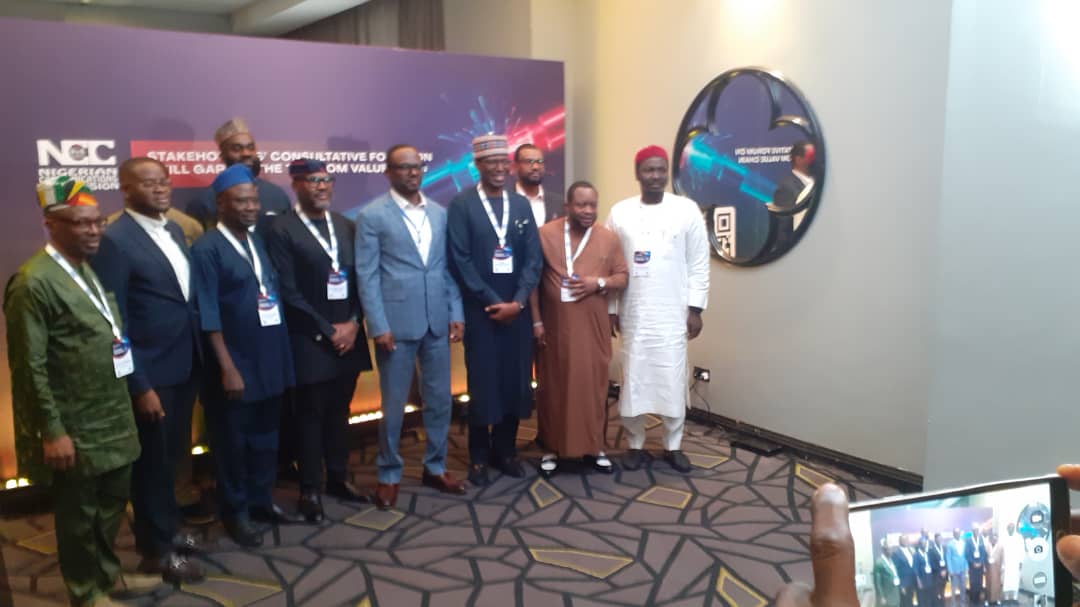 As the forum concluded, Mr. Akanbi’s insights resonated as a clarion call for concerted action. The telecom sector, he argued, is the backbone of Africa’s digital transformation, and investing in its human capital is not an option but an imperative.
By closing the skill gaps that pervade the value chain, stakeholders can unlock unprecedented economic opportunities, drive innovation, and ensure that the benefits of connectivity are broadly shared. With leaders like Mr. Akanbi championing this cause, the future of Africa’s telecom industry appears not only promising but poised for transformative growth.