

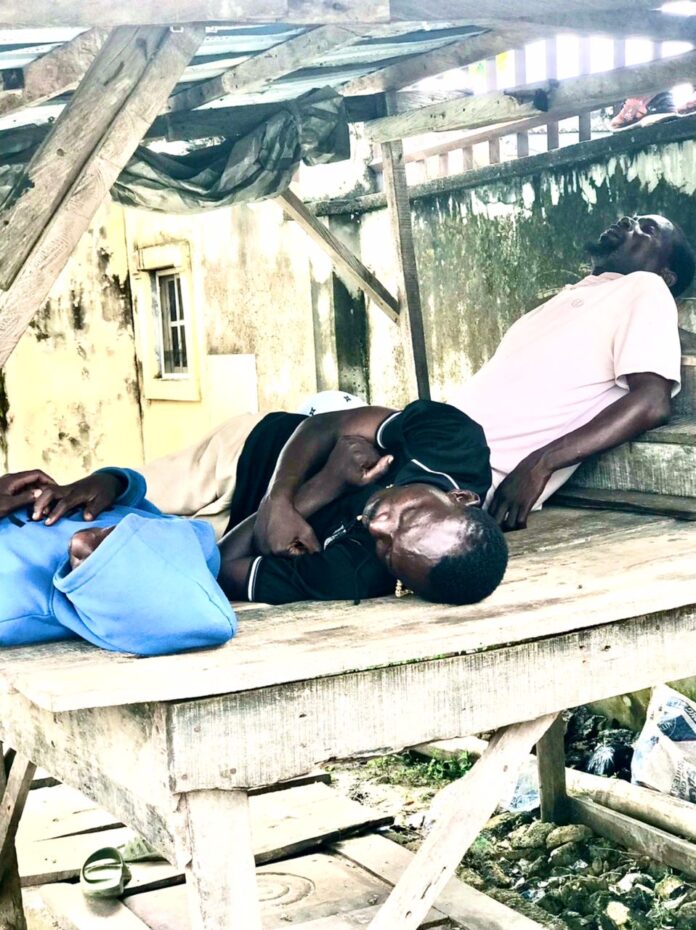
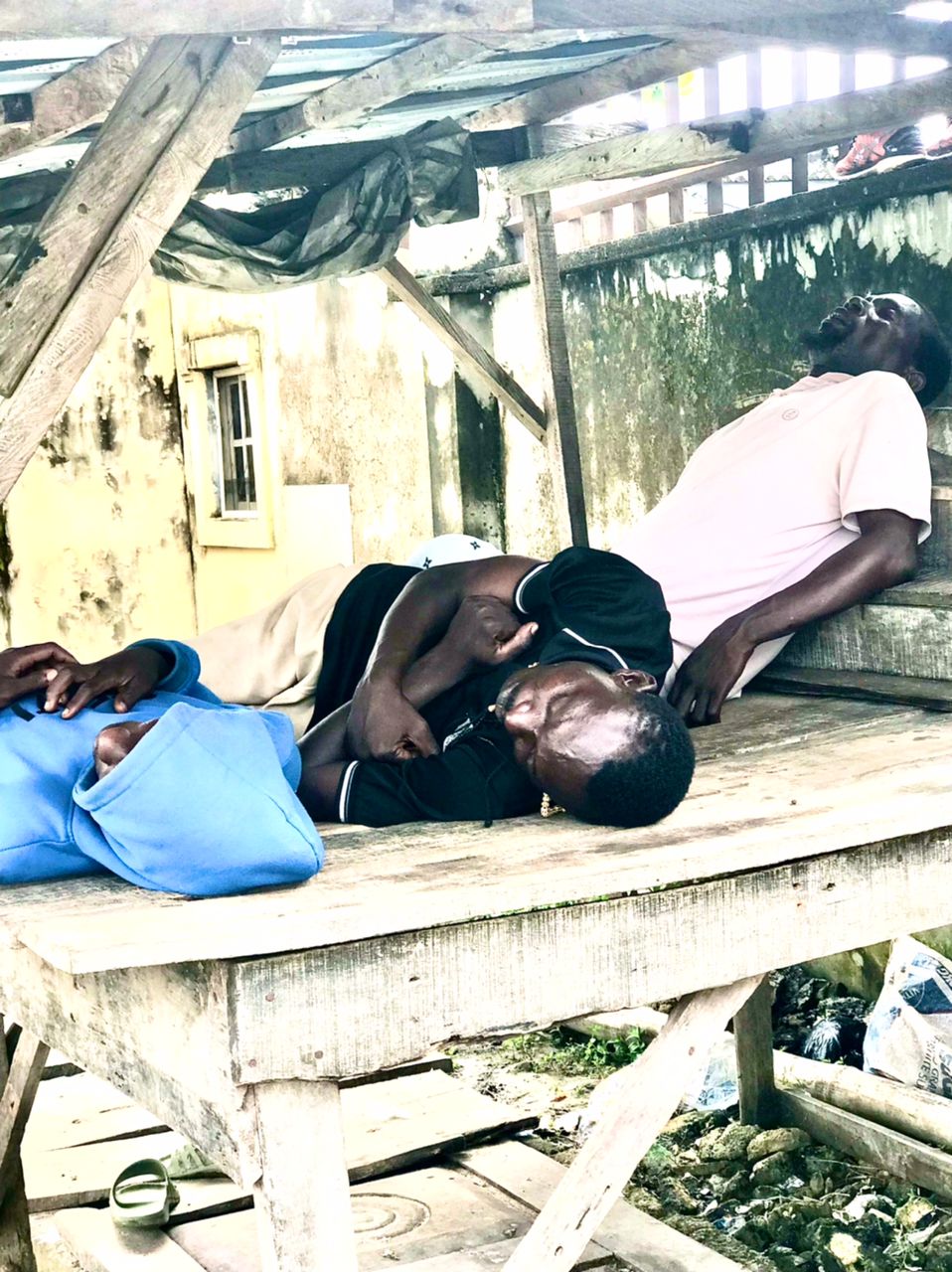
In the dim, hidden corners of Nigeria’s bustling cities and quiet suburbs, a new, terrifying predator is on the loose.
It doesn’t wield a knife or a gun. Its weapon is a deceptive, leafy green substance, often dyed a sinister pink or red, known on the street as “Colorado.”
it is systematically ravaging a generation of Nigerian youth, one soul at a time.
This isn’t just another drug scare. Colorado represents a frightening evolution in the nation’s drug abuse crisis.
It is a highly potent synthetic cannabinoid—a laboratory-engineered chemical sprayed onto dried plant material to mimic the effects of cannabis. However, this is cannabis on steroids.
Its composition is a toxic roulette; users never truly know what cocktail of chemicals they are inhaling, making each dose a potential game of Russian roulette with their sanity and their lives.
The immediate effects are a brutal assault on the mind and body. Users and medical professionals describe a descent into a waking nightmare: extreme paranoia, violent hallucinations, and a loss of all self-control.
We are not talking about a euphoric high. We are talking about young men and women found naked and screaming in the streets, convinced that insects are crawling under their skin. We are talking about unprovoked aggression, where a son no longer recognizes his mother, and a friend becomes a mortal threat.
Emergency rooms are seeing a surge in cases of “Colorado psychosis”—young bodies brought in by frightened families, their minds temporarily shattered by the drug’s ferocious grip.
The notoriety of Colorado is built on this very potency and unpredictability. Its street name, borrowed from a potent foreign strain, is a brand of terror. It has infested neighborhoods, from the affluent enclaves of Lagos to the university campuses and motor parks across the nation.
For many young people, the initial draw is peer pressure and the false promise of an ultimate escape from the crushing weight of economic hardship, unemployment, and societal pressure. But the escape Colorado offers is a trapdoor into a deeper, darker prison.
The long-term effects are a slow-motion tragedy.
Chronic users face a heightened risk of permanent psychiatric disorders, including schizophrenia and severe depression.
The drug ravages cognitive function, eroding memory and the ability to concentrate, effectively extinguishing the potential of bright young minds.
It leads to cardiovascular problems, respiratory issues, and a physical dependency that makes the idea of quitting feel impossible.
Behind every statistic is a human story—a family living in fear, a mother’s tears, a future doctor, engineer, or artist whose light is being dimmed.
Communities are grappling with a rise in petty crime and violence linked to users desperate for their next fix.
The narrative is always the same: it started as a curiosity, a way to fit in, but Colorado quickly took the wheel.
The fight against this scourge requires a multi-pronged attack. It demands robust law enforcement to dismantle the supply chains. But even more critically, it calls for a national awakening.
We need compassionate, large-scale awareness campaigns that speak the language of the youth, exposing the grim reality behind the high.
We need to strengthen our healthcare system to provide affordable and accessible rehabilitation and mental health support for those already in the drug’s clutches.
Colorado is more than a drug; it is a public health emergency. It is a red warning light flashing brightly over the future of Nigeria. To ignore it is to surrender our sons and daughters.
The time for action, for open conversation, and for collective intervention is now, before the red stain of Colorado becomes an indelible mark on our national conscience.