
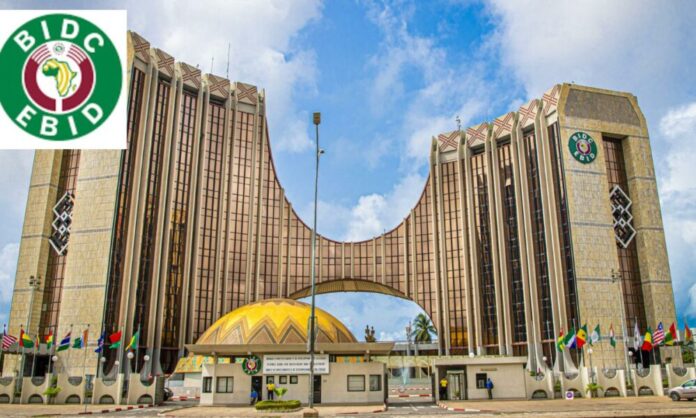
 The ECOWAS Bank for Investment and Development (EBID) has approved a substantial financial package totaling $308.631 million.
This funding is strategically allocated to Nigeria and other West African nations to catalyze critical investments in three pivotal areas: clean energy expansion, industrial development, and sustainable economic growth, marking a significant step toward a more resilient and integrated regional economy.
The approved funds are expected to serve as a powerful catalyst for projects that address both immediate infrastructure gaps and long-term sustainability goals.
A significant portion is earmarked for the clean energy sector, aiming to boost electricity access, promote renewable energy sources like solar and wind, and reduce the region’s reliance on fossil fuels. This aligns with global climate objectives and the urgent need for sustainable power solutions to drive economic activities across West Africa.
Beyond energy, the financing will support industrial development initiatives designed to enhance local manufacturing capacities, create jobs, and foster value addition within the region. By strengthening key industries, EBID aims to stimulate economic diversification, reduce import dependency, and increase the international competitiveness of West African products.
The “sustainable growth” pillar ensures that these developments are environmentally conscious and socially inclusive, aiming to build economies that are not only productive but also equitable and resilient for future generations.
This injection of capital by EBID underscores a renewed commitment to regional integration and collective prosperity.
For Nigeria, as the region’s largest economy, this presents a vital opportunity to leverage international funding for its own energy transition and industrial modernization efforts, while also bolstering synergistic projects with its neighbors.
The approval signals strong confidence in West Africa’s potential and represents a proactive approach to financing the projects that will define the region’s economic landscape for decades to come.



 approves $308.6 million for Nigeria and West Africa to drive clean energy, industrial growth, and sustainable development.)