

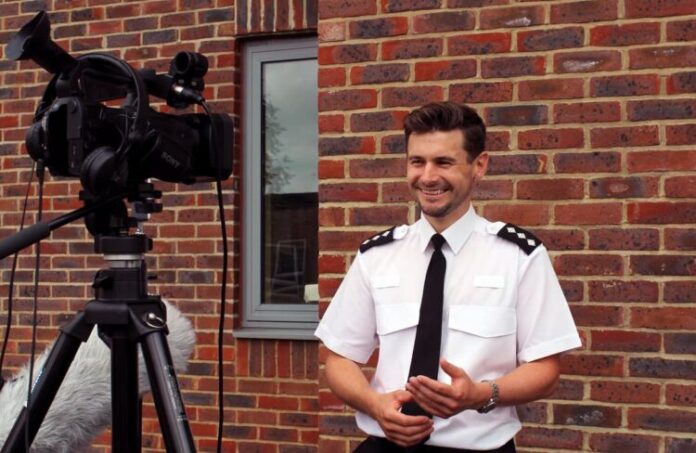
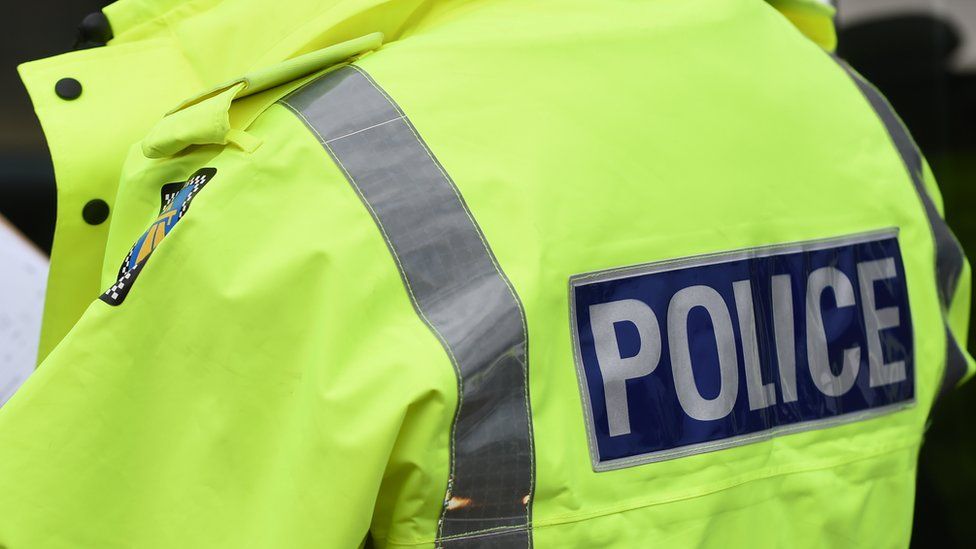
 A vital protective measure has now been fully realized across England and Wales. The news has been welcomed that every single police force in the two nations now has a dedicated Journalism Safety Liaison Officer (JSLO) in post, creating a uniformed national network designed to provide practical and immediate support to journalists facing threats, intimidation, or violence in the course of their work.
This completion of the roster, which joins similar established positions within police forces in Scotland and Northern Ireland, marks a critical milestone in the United Kingdom’s institutional commitment to safeguarding its media workforce.
The genesis of this protective shield lies in the UK’s pioneering National Action Plan for the Safety of Journalists, first unveiled in 2021. The appointment of a designated JSLO for every force was a cornerstone commitment of that plan, conceived specifically to counter the troubling backdrop of rising abuse and hostility directed at journalists.
The fulfilment of this nationwide pledge is more than a bureaucratic tick-box; it represents a tangible bridge between newsrooms and police stations, promising enhanced communication, swifter responses to incidents, and a deeper, mutual understanding of the unique risks faced by the press.
It is a proactive step that acknowledges the essential role of a free press in a healthy democracy and the duty of the state to ensure those who report the news can do so without fear.
To ensure this new system is immediately accessible and effective, practical channels for engagement have been clearly established. Reporters Without Borders UK (RSF UK), in its capacity as a member of the UK’s National Committee for the Safety of Journalists, now holds a comprehensive list of all the JSLOs. The organization has proactively invited any media organization or individual journalist needing to identify their local contact to reach out directly via rsf-uk@rsf.org.
This centralised point of reference, complemented by the resources of the News Media Association and the Society of Editors, ensures that no journalist should be left in the dark about where to turn for help, transforming a policy commitment into a functional tool for everyday safety.



 to protect journalists, fulfilling a key UK government action plan pledge.)