


Africa, a continent celebrated for its diversity, is home to thousands of distinct ethnic groups, each with unique cultures, traditions, and histories. From the ancient Berbers of North Africa to the resilient Zulu of the south, these tribes embody the continent’s vibrant tapestry. Here is a detailed exploration of 50 prominent African tribes, their origins, and historical significance.
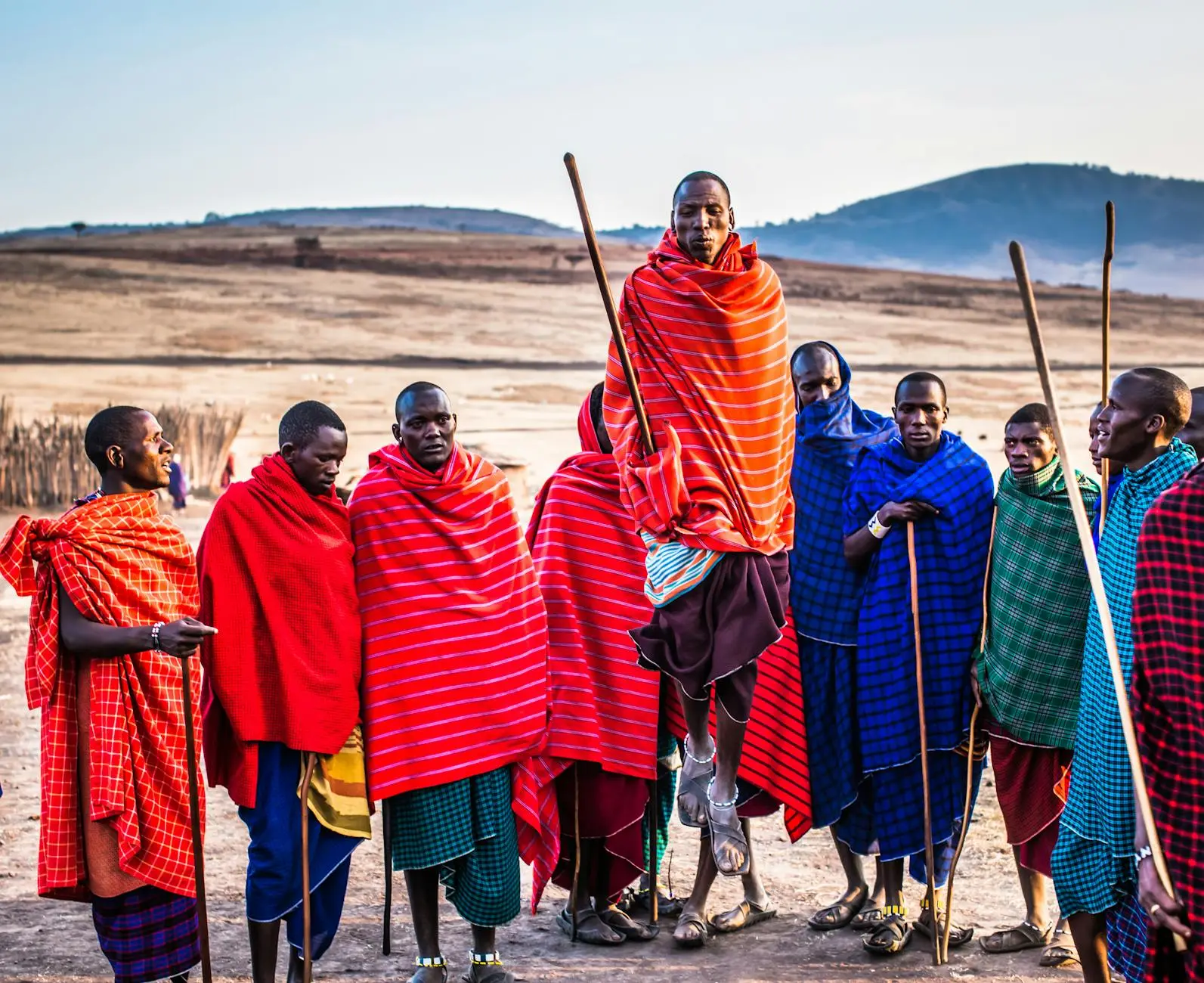
1. Maasai (Kenya, Tanzania)
Famed for their red shukas and nomadic lifestyle, the Maasai migrated from the Nile Valley between the 15th and 18th centuries CE.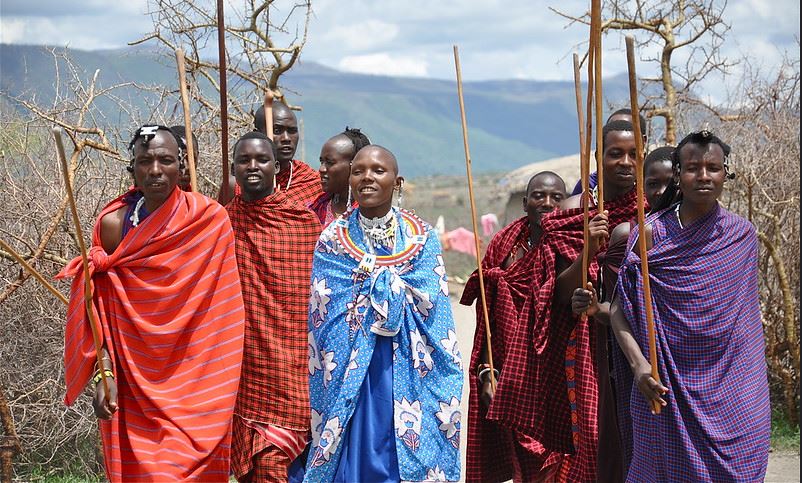
2. Zulu (South Africa)
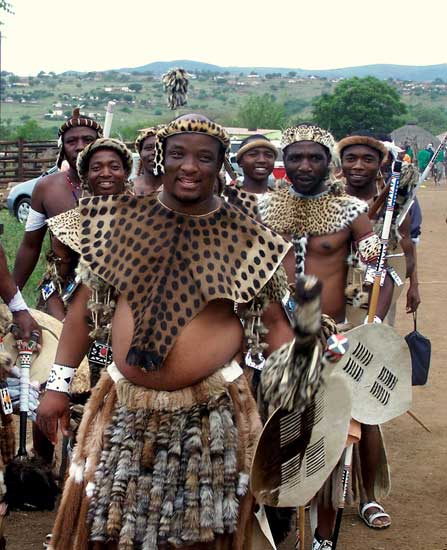
Emerging as a powerful kingdom under Shaka Zulu in the 19th century, the Zulu trace their Bantu roots back to 3,000–2,000 BCE.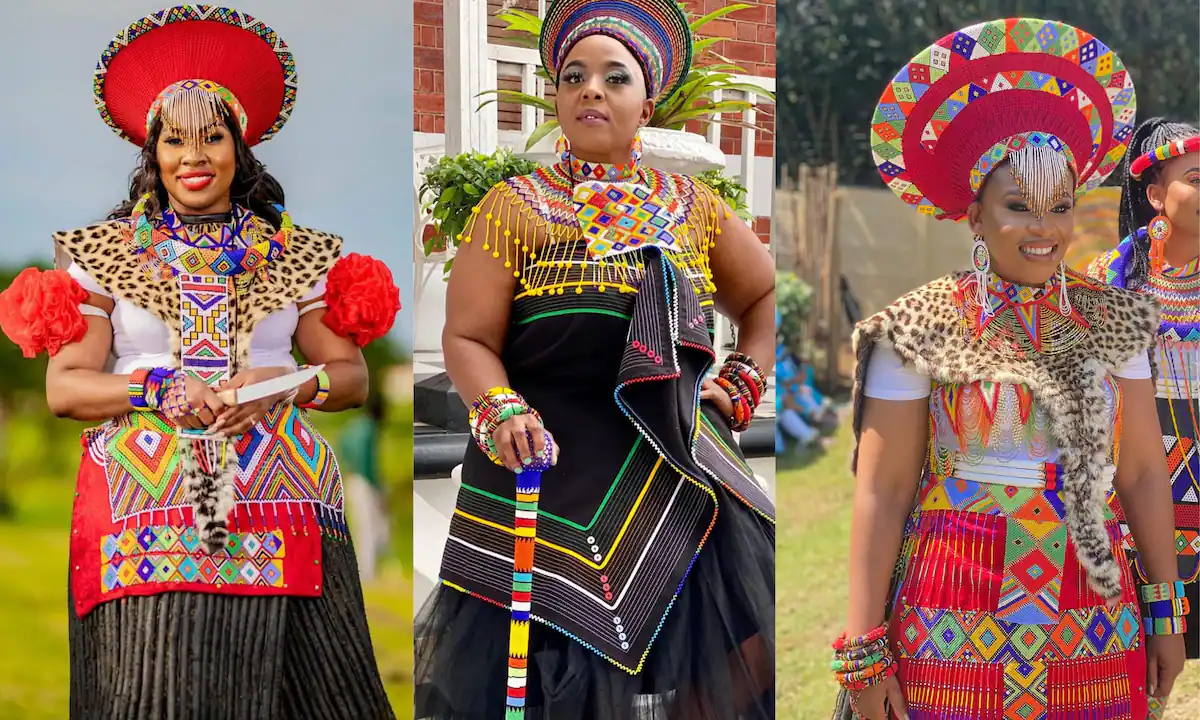
3. Hausa (Nigeria, Niger, Ghana)
The Hausa established city-states between 1000 and 1200 CE, with Afro-Asiatic roots spanning over 10,000 years.
4. Dinka (South Sudan)
A Nilotic group that migrated to the Nile Valley around the 1st millennium BCE, the Dinka are known for their pastoral traditions.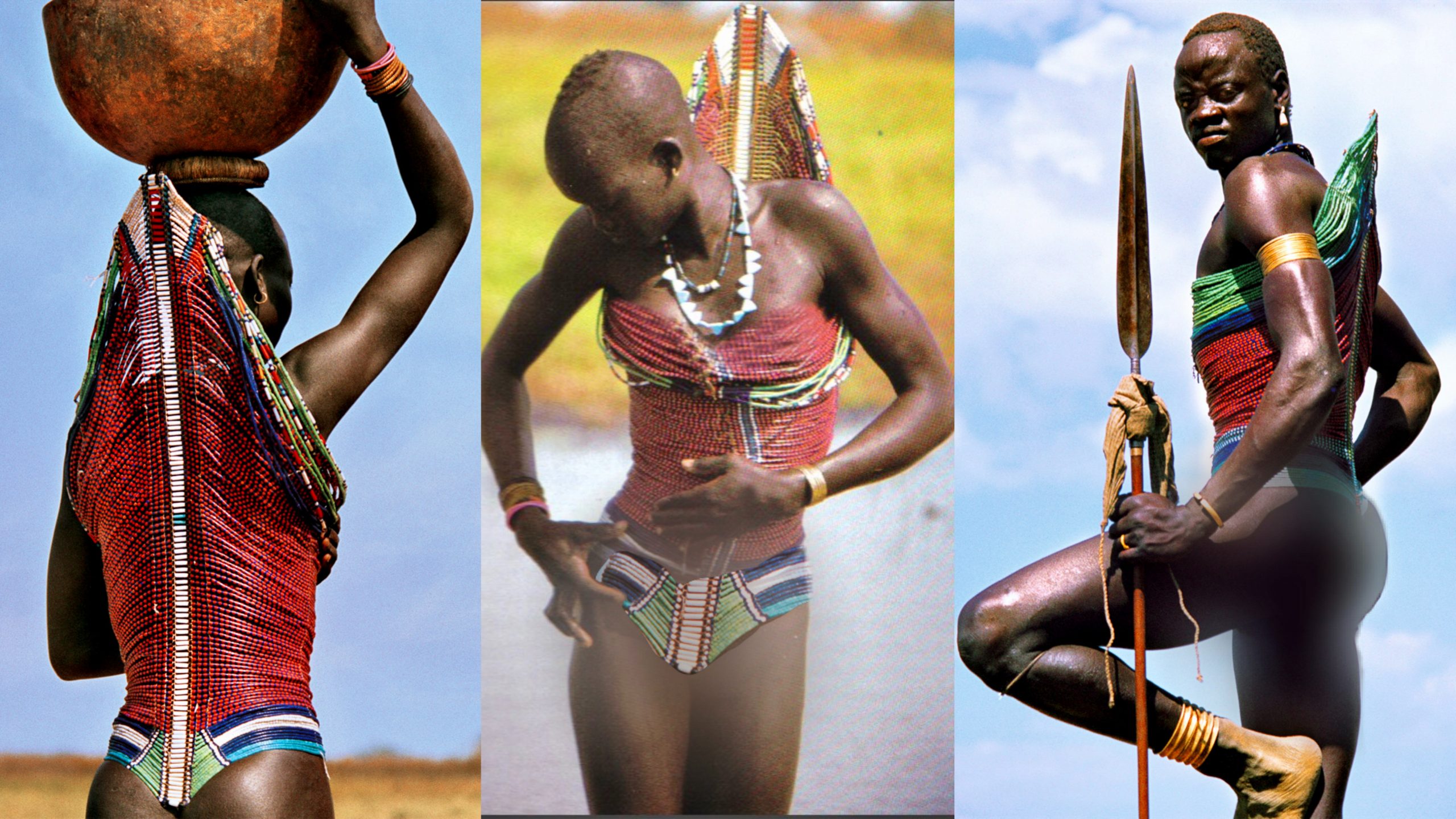
5. Mandinka (Senegal, Gambia, Guinea, Mali)
Descendants of the Mali Empire (1235–1600 CE), the Mandinka boast a rich West African heritage.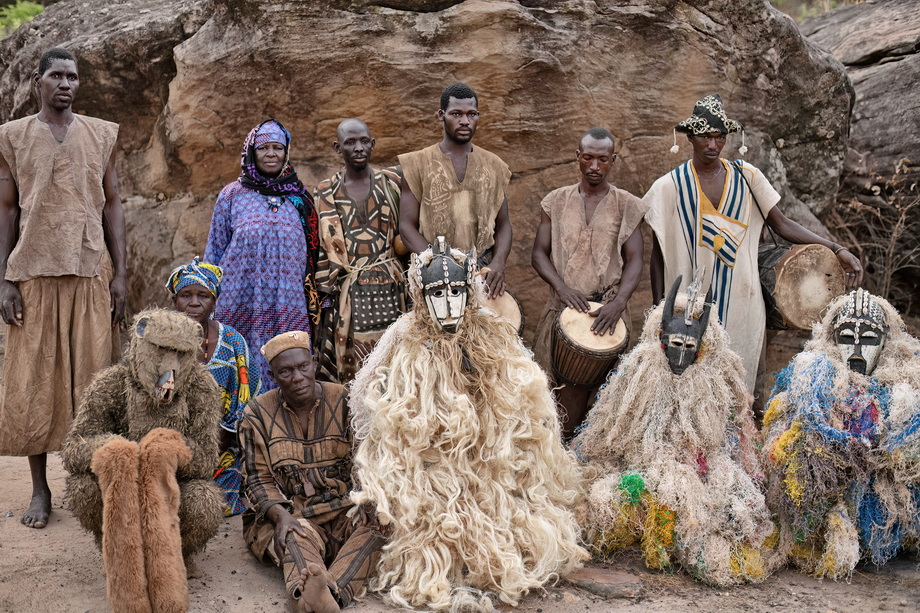
6. Yoruba (Nigeria, Benin)
The Yoruba’s centralized kingdoms, like Ife and Oyo, rose to prominence about 900 years ago, with oral traditions suggesting even earlier origins.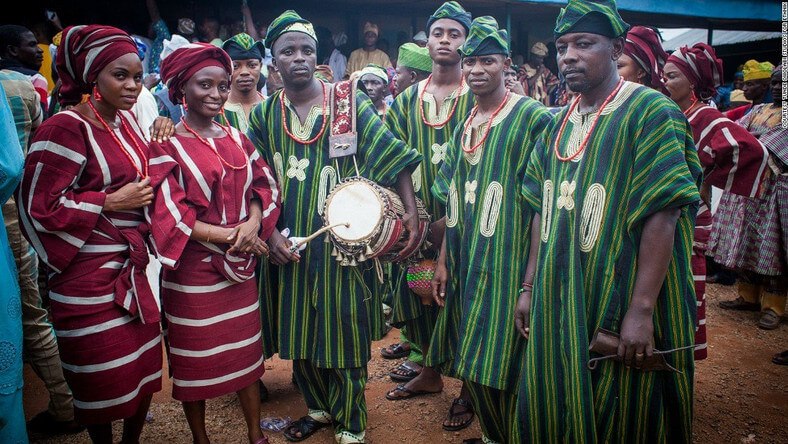
7. Berber (Algeria, Morocco, Tunisia, Libya)
Among Africa’s oldest groups, the Berbers date back to 12,000–10,000 BCE, linked to early Afro-Asiatic cultures.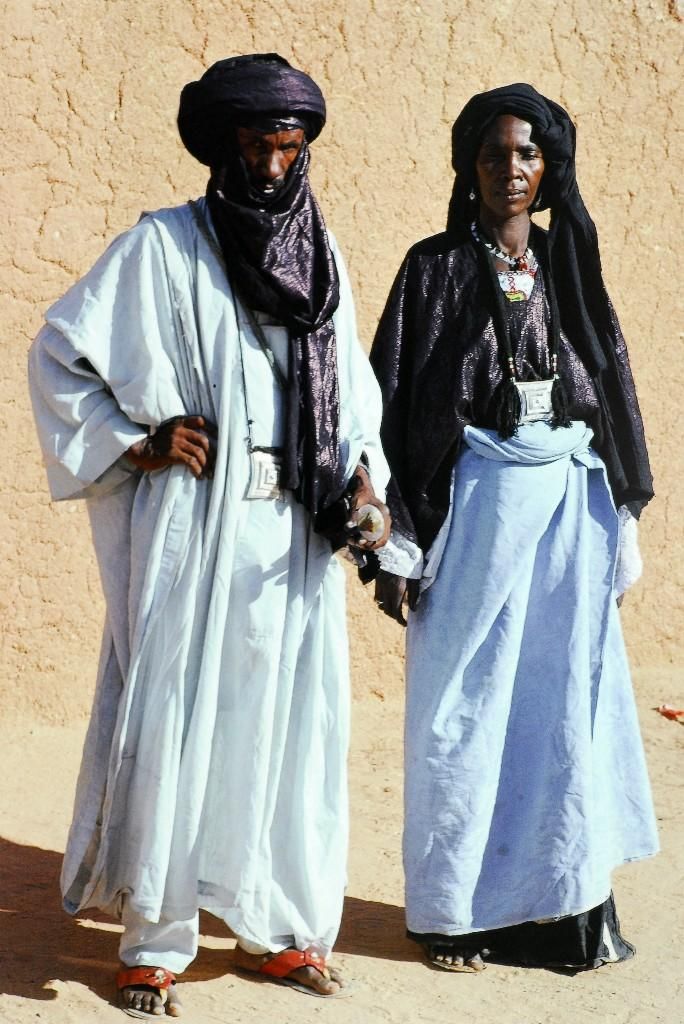
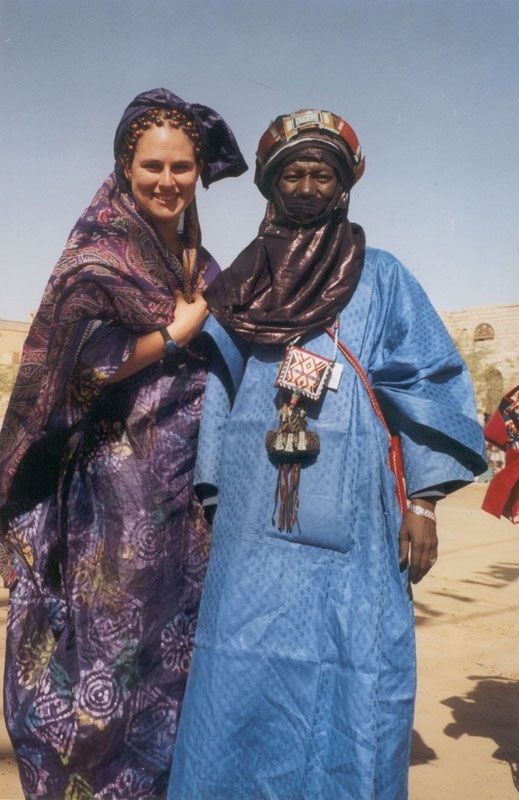
8. Amhara (Ethiopia)
The Amhara are rooted in the Kingdom of Axum (100 BCE–700 CE), with a mix of Cushitic and Semitic influences.
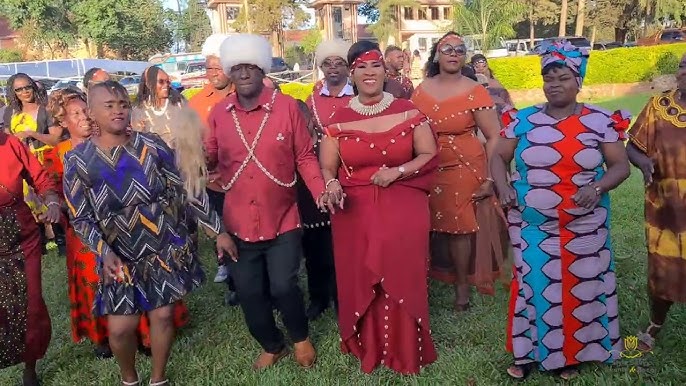
9. Igbo (Nigeria)
Archaeological evidence places Igbo settlements as far back as 3000 BCE, with sophisticated communities by the 9th century CE.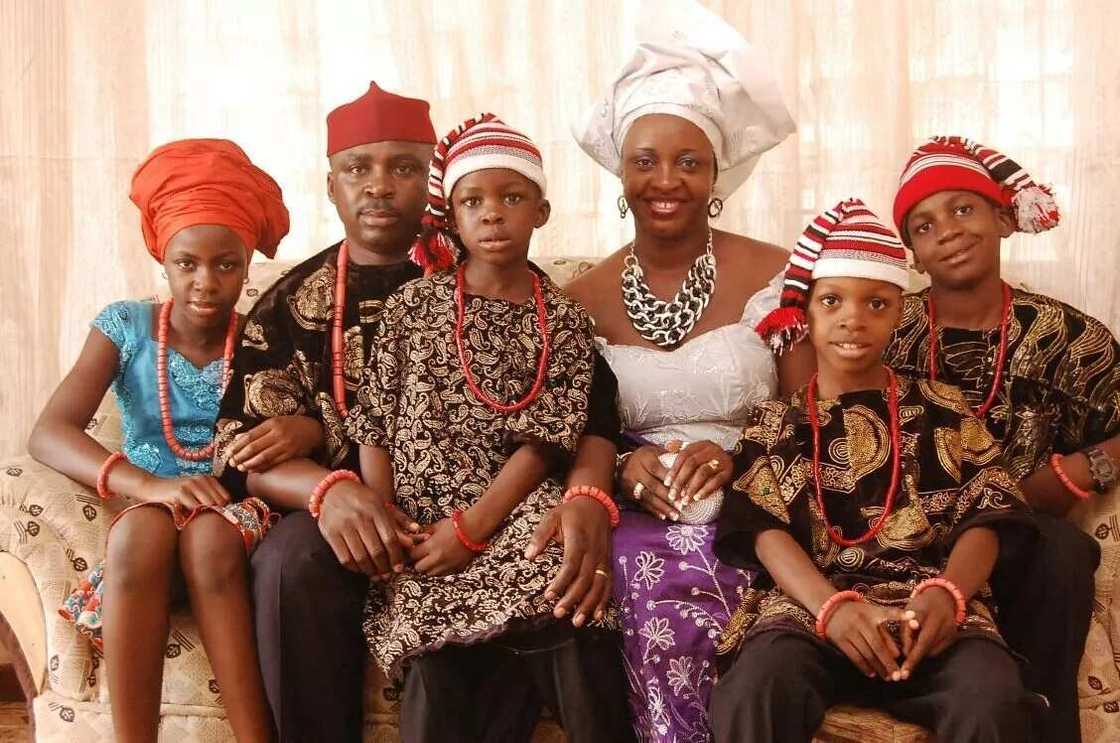
10. Oromo (Ethiopia, Kenya)
Part of the Cushitic lineage, the Oromo migrated to their current regions between the 10th and 16th centuries CE.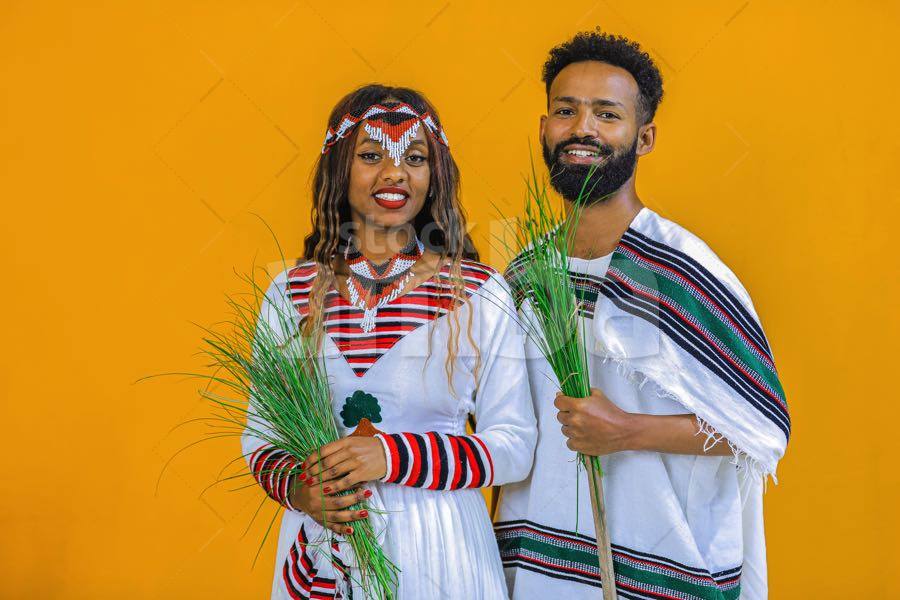
11. Wolof (Senegal, Gambia)
The Wolof emerged in the 12th–13th centuries CE, tied to the Ghana and Mali empires.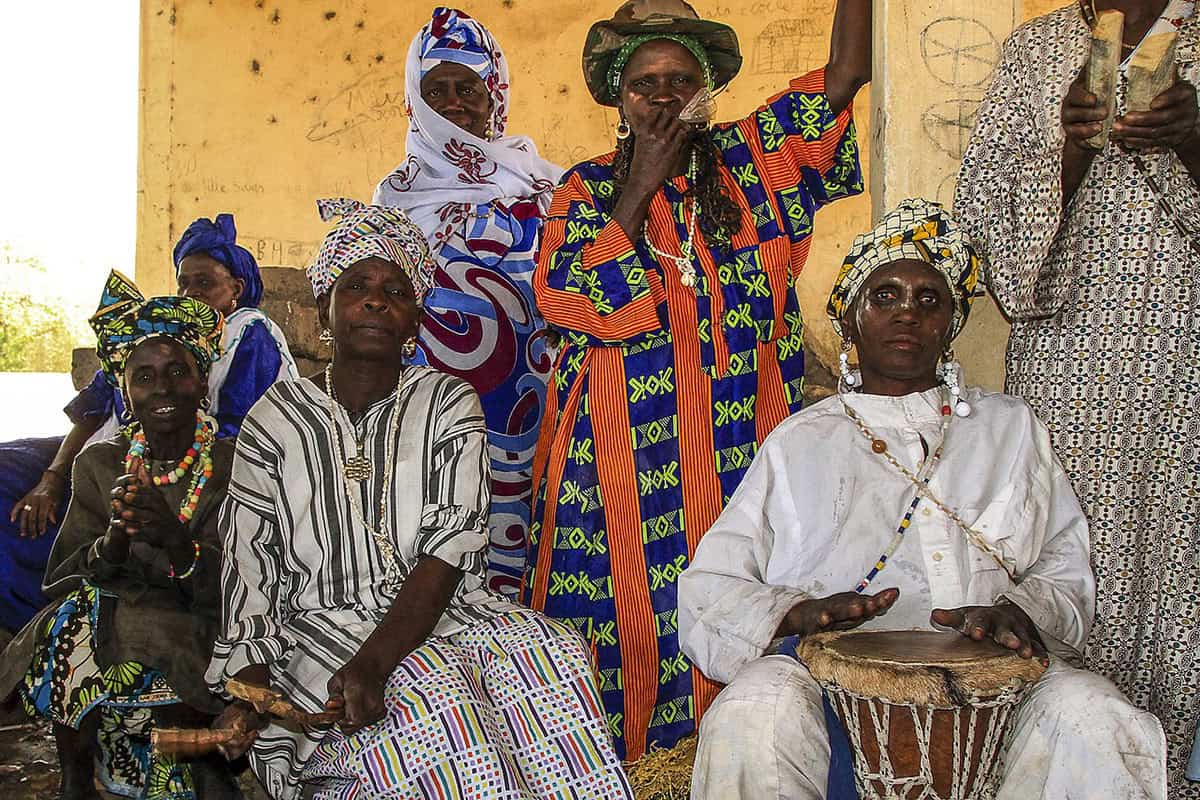
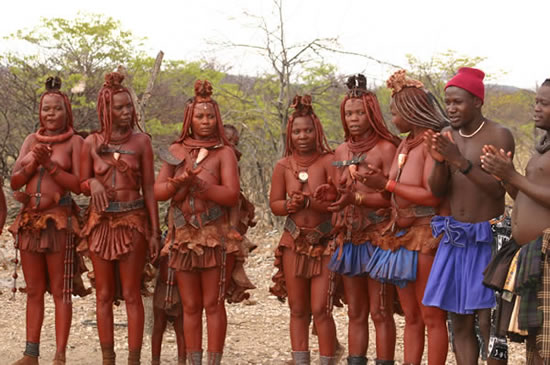
12. Himba (Namibia)
A semi-nomadic group descending from the Herero, the Himba established themselves in the 16th century CE.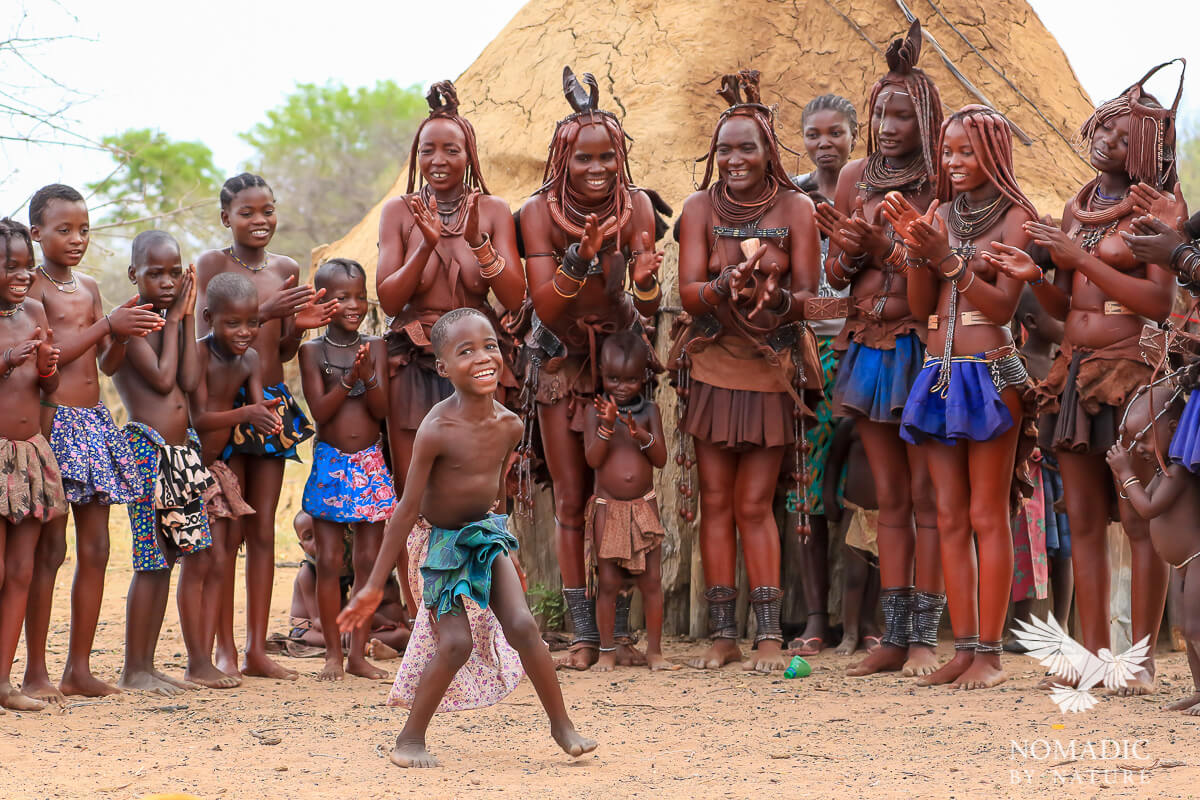
13. San/Bushmen (Southern Africa)
One of humanity’s oldest groups, the San have lived in the region for over 100,000 years, practicing a hunter-gatherer lifestyle.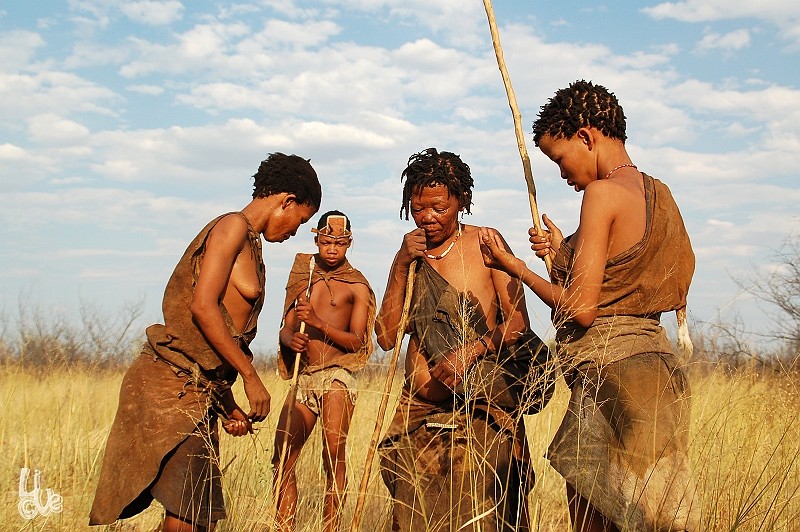
14. Ashanti (Ghana)
Founders of the Ashanti Empire in 1670 CE, the Ashanti are part of the Akan ethnic group.
15. Xhosa (South Africa)
Descendants of Bantu migrations, the Xhosa emerged around 3,000–2,000 BCE.
16. Fula/Fulani (West Africa)
Nomadic and pastoralist, the Fulani trace their origins to the 4th century CE and expanded culturally by 1000 CE.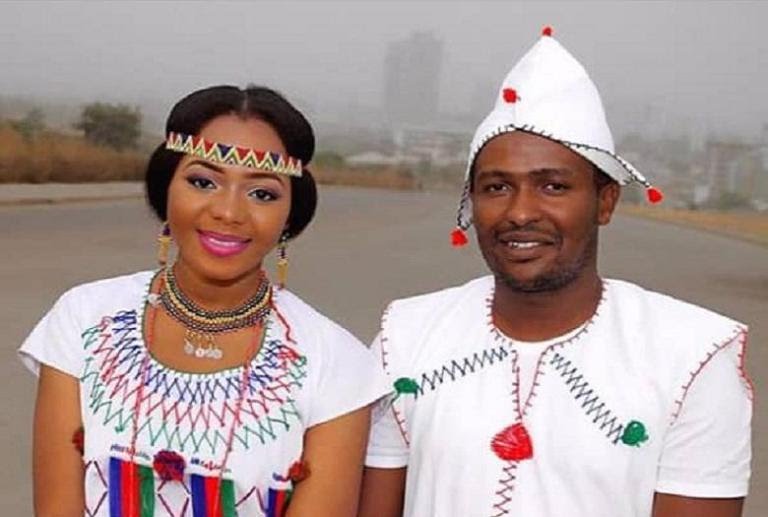
17. Tuareg (Sahara)
A Berber subgroup, the Tuareg have roots dating back to 10,000 BCE, playing a vital role in Saharan trade.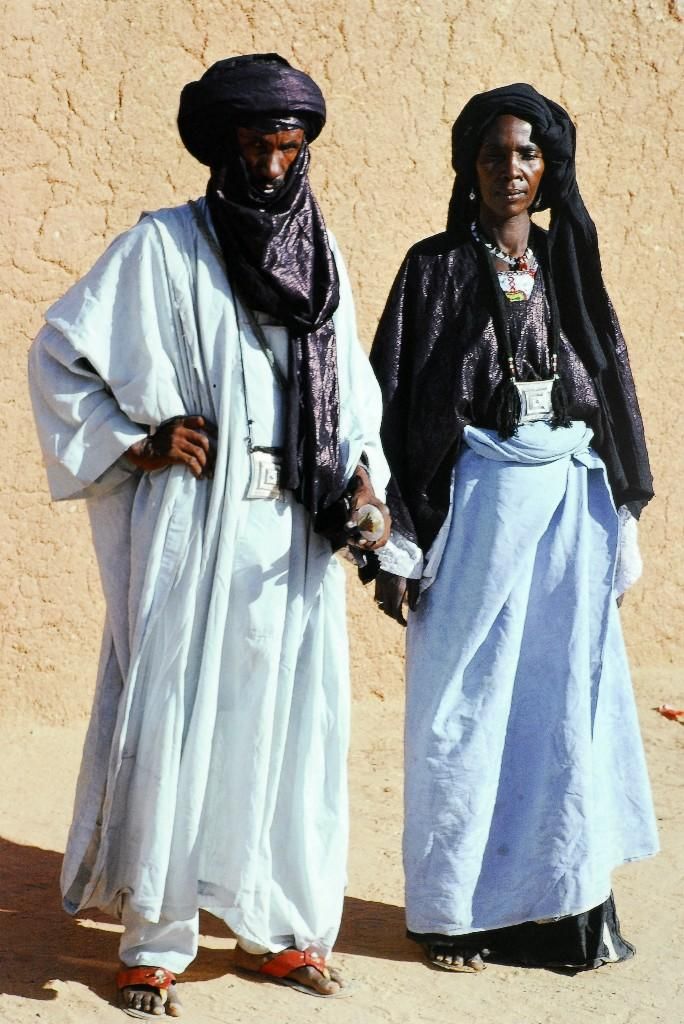
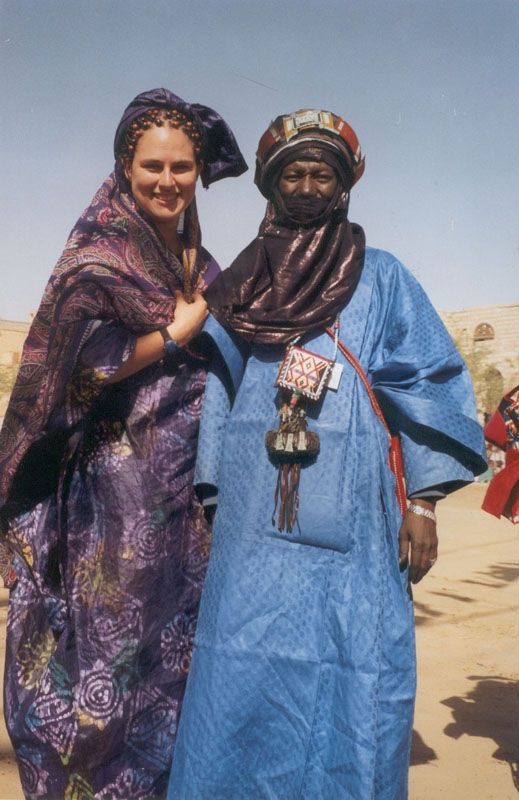
18. Kikuyu (Kenya)
Linked to Bantu migrations, the Kikuyu settled in Kenya in the 16th century CE.

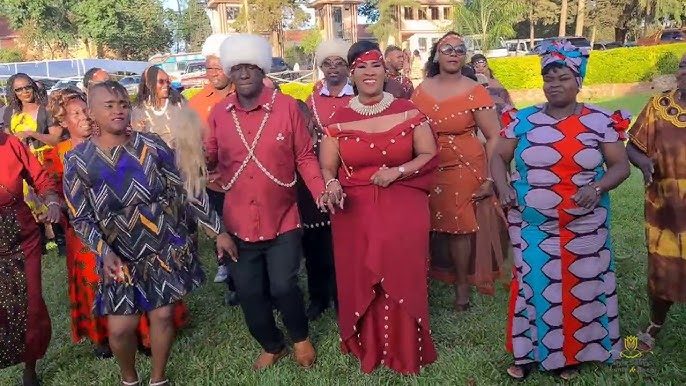 19. Ibibio (Nigeria)
The Ibibio established communities in the Niger Delta between 500 and 1000 CE.
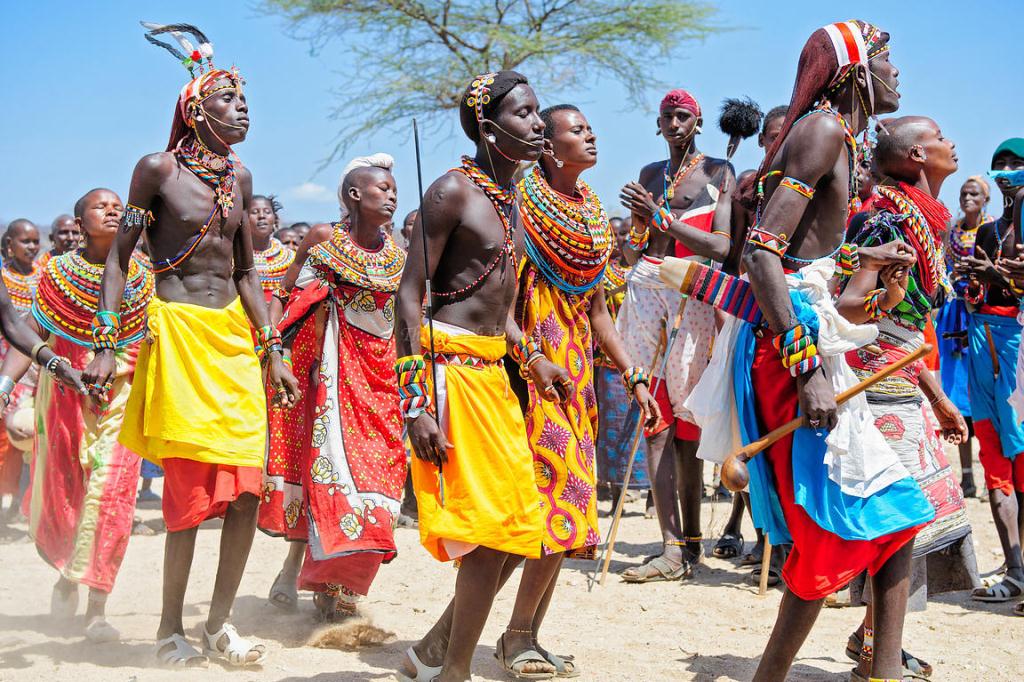
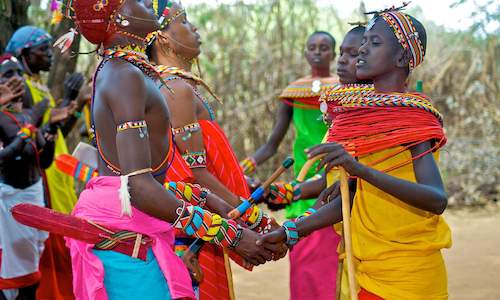
20. Samburu (Kenya)
A Nilotic group, the Samburu settled in their current region around the 16th century CE.
Notable Historical Insights
- San/Bushmen and Khoisan: The San and Khoisan represent Africa’s most ancient populations, with a legacy spanning over 100,000 years.
- Berbers and Tuareg: These groups played pivotal roles in early Saharan civilizations and trade routes.
- Great Empires: Tribes like the Mandinka, Songhai, and Ashanti contributed to Africa’s golden age through empires like Mali, Songhai, and the Ashanti Kingdom.
Modern Relevance
Today, these tribes continue to influence Africa’s cultural, political, and social landscapes, preserving their traditions while adapting to contemporary challenges.
From ancient migrations to the creation of powerful empires, the stories of Africa’s tribes underscore the continent’s complexity and richness. Their enduring legacies remain a testament to Africa’s pivotal role in human history.