 In the quiet hours of a Sunday in Abuja, as the nation prepared for the week ahead, a urgent appeal echoed from the office of the Minister of Labour and Employment, cutting through the tension with a sobering warning.
The Federal Government, through Muhammad Dingyadi, has reached out with a fervent plea to the National Union of Petroleum and Natural Gas Workers (NUPENG), urging them to suspend their planned nationwide strike scheduled for Monday, September 8, 2025. This is not merely a labour dispute; it is a moment of national reckoning, where the gears of the economy threaten to grind to a halt, and the government is calling for calm in the face of potential catastrophe.
The appeal, articulated in a statement signed by Ms. Patience Onuobia, Head of Press and Public Relations, lays bare the high stakes of this impending industrial action. Mr. Dingyadi’s words are measured yet grave, emphasizing that a shutdown of the petroleum sector would not just disrupt operations but would severely cripple the Nigerian economy, exacerbating the already palpable hardship faced by millions of citizens.
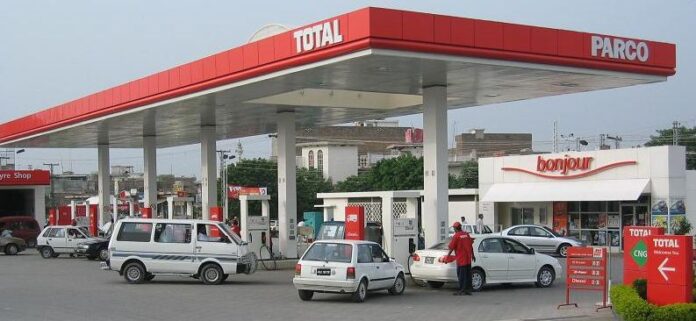
“The petroleum sector is the core of our economy,” he stated, underscoring a truth known to every Nigerian: oil is the lifeblood of the nation’s financial system, and even a single day of strike action could unleash ripple effects of immense proportion, resulting in revenue losses running into billions and inflicting untold suffering on the populace.
At the heart of this turmoil lies a dispute between NUPENG and the Dangote Group over unionisation rights—a conflict that has now escalated to the brink of national emergency. Recognizing the urgency, the minister has already intervened, inviting all parties to a conciliation meeting in a bid to forge a peaceful resolution.
But his appeal extends beyond NUPENG alone; he has also called upon the Nigeria Labour Congress (NLC) to withdraw its red alert, which directs affiliate unions to prepare for solidarity action with petroleum workers. This layered approach reflects the government’s acute awareness that the situation is a tinderbox, capable of igniting broader industrial unrest if not contained with wisdom and urgency.
Yet, amidst the urgency, there is a thread of assurance. Mr. Dingyadi has promised the public that this dispute will be resolved peacefully, without disruption to the vital oil and gas industry. “I plead with the unions to give peace a chance,” he urged, adding that the matter would be settled amicably to the satisfaction of all involved.
This is more than a negotiation; it is a test of Nigeria’s resilience, a moment that calls for dialogue over disruption, and collaboration over conflict. As the nation holds its breath, the hope remains that reason will prevail, and the engines of the economy will continue to hum, uninterrupted.