 Almost three years after a brutal civil war was formally concluded with a peace agreement in Pretoria, a different, more insidious conflict is raging in Ethiopia’s northern region of Tigray—a systematic campaign of intimidation and violence against journalists that threatens to suffocate the truth and plunge the region back into darkness.
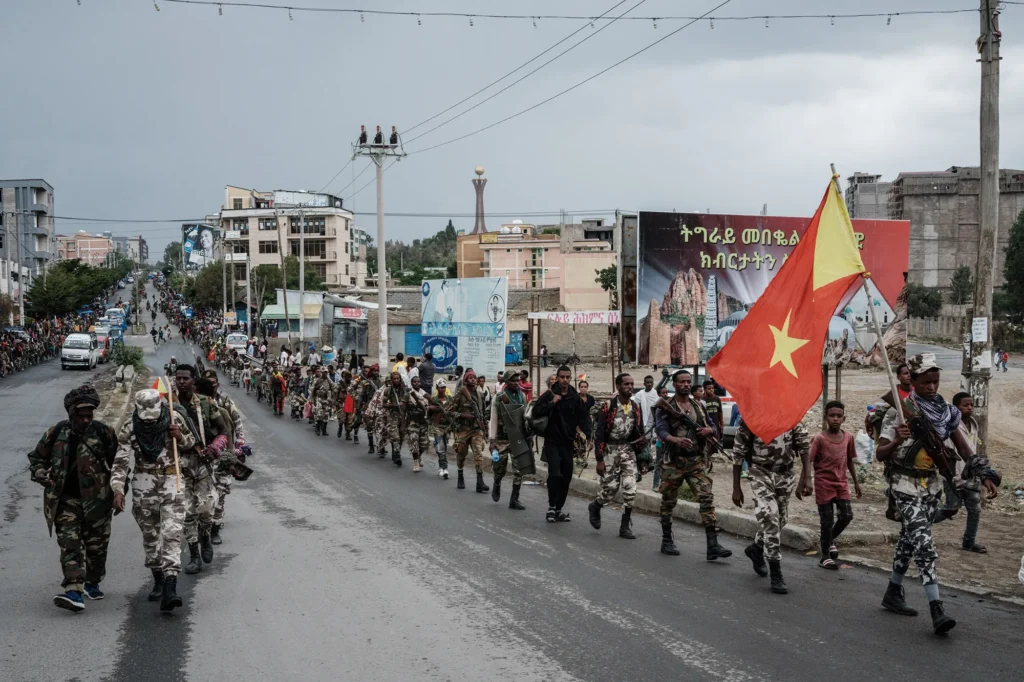
Despite the official end of hostilities, Tigray remains a tense and profoundly dangerous environment for the press, where reporters are routinely shot at, detained by militias, and swept up in a vicious local power struggle that the federal government warns could trigger a renewed national conflict.
This ongoing assault on press freedom reveals the fragile and superficial nature of the peace, where the battles have simply shifted from conventional warfare to a fight for control over the narrative itself.
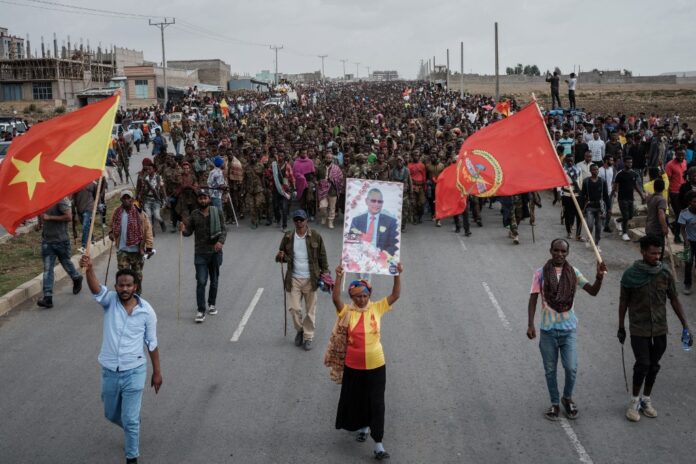
The peril was starkly illustrated on July 27, when a group of journalists traveling to cover a public protest in the town of Adi Gudem found themselves in the crosshairs of a local militia.
Detained for hours, they witnessed fighters storm the protest, beat civilians, and fire into the crowd, killing one man.
In the chaos, camera operators from Tigray Broadcasting Services (TBS) and Tigray Public Media (TPM) were threatened at gunpoint, with militiamen shouting, “Stop filming or I will shoot you!”
Forced to abandon their equipment, the journalists hid until nightfall and then made a desperate escape back to the regional capital, Mekelle, disguised in villagers’ clothes, carrying only their memory cards as evidence of the atrocity they had witnessed.
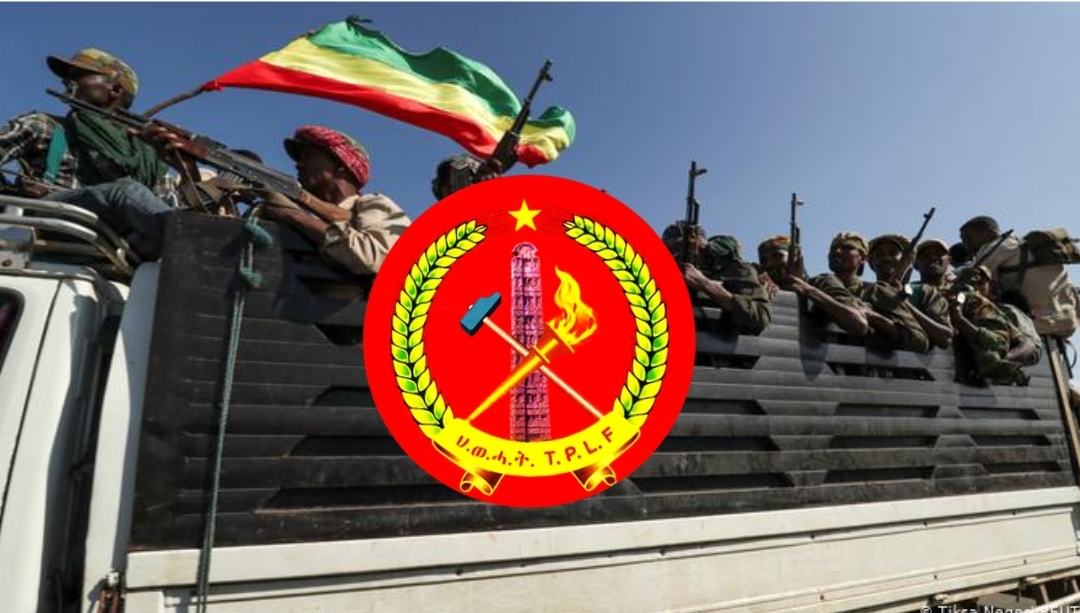 This incident was not an isolated event but part of a broader pattern of repression, including the armed takeover of the state-owned Mekelle FM radio station in March, where gunmen stormed the offices, pulled news programs off the air, and installed their own manager, an act one veteran journalist described as “the saddest day of my life.”
This relentless pressure is fueled by a bitter internal power struggle within the historically dominant Tigray People’s Liberation Front (TPLF).
The faction loyal to veteran leader Debretsion Gebremichael has clashed with a federal-backed interim administration, creating a volatile environment where journalists are viewed as enemies rather than watchdogs.
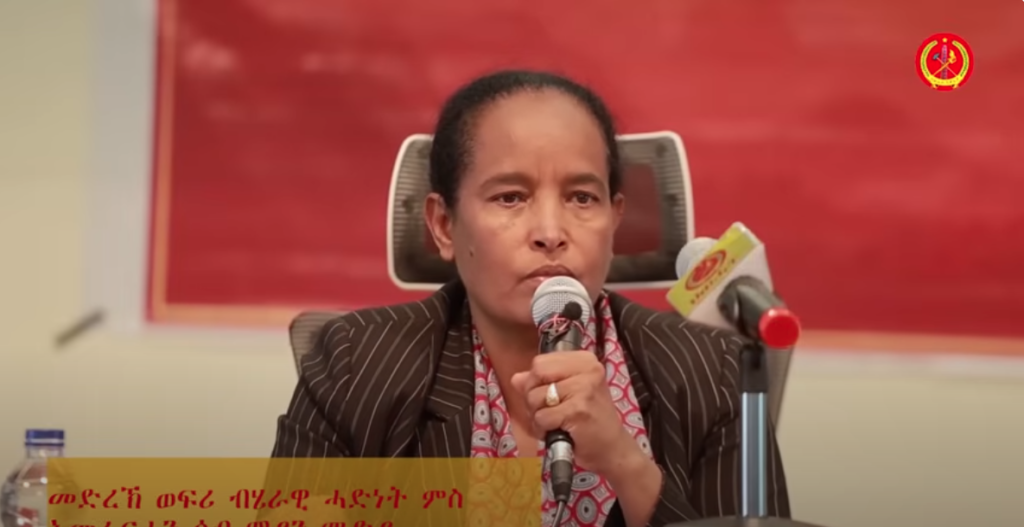 The situation has been dramatically escalated by a senior TPLF official, Fetlewerk Gebregziabher, who in a September speech declared a “zero tolerance” policy towards media deemed to be pushing the “enemies’ agenda,” accusing outlets of spreading “poison.”
This chilling declaration has cast a long shadow over the remaining independent media. As Abel Guesh, the head of TBS, told CPJ, “We are braced for either death or detention… The chilling effect is profound.”
With many experienced journalists having fled the region or the profession altogether, a journalism lecturer at Mekelle University lamented that what remains is difficult to even call journalism, leaving a population in an information vacuum and a peace process teetering on the brink of failure.