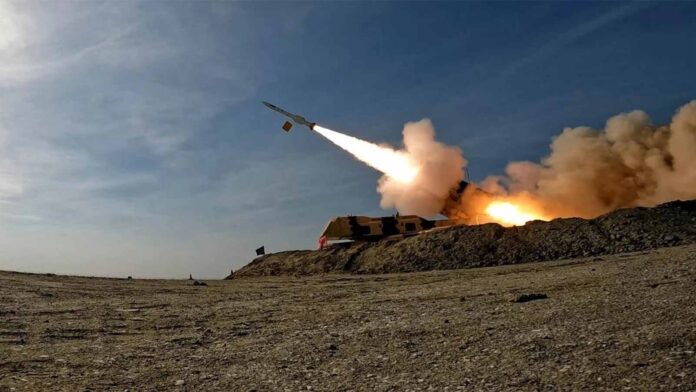
 Iran’s Islamic Revolutionary Guard Corps (IRGC) has claimed responsibility for a “powerful” ballistic missile strike targeting the Al Udeid Air Base in Qatar, the largest U.S. military installation in the Middle East. The attack, which occurred early today, marks Tehran’s first direct military retaliation against American forces since U.S. and Israeli airstrikes devastated Iran’s nuclear facilities over the weekend.
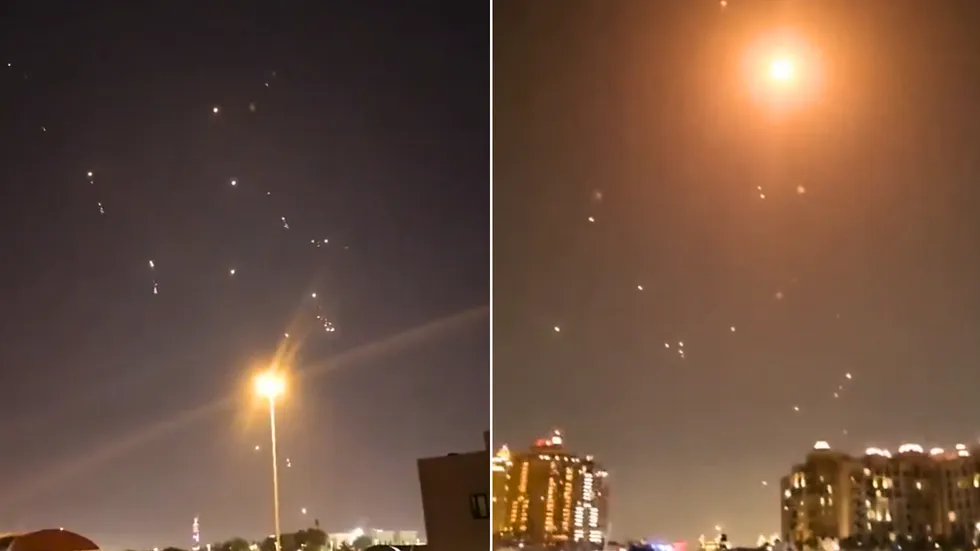
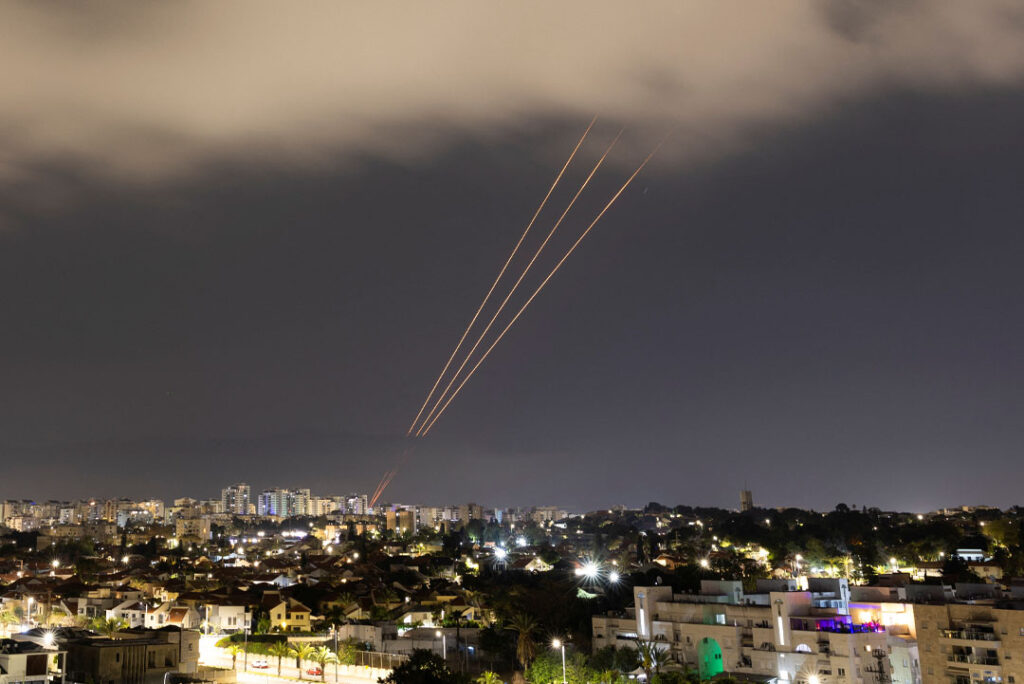
According to a U.S. defense official, the base was struck by “short-range and medium-range ballistic missiles originating from Iran.” However, Qatar’s Defense Ministry reported that its air defense systems had “successfully” intercepted the incoming missiles, preventing casualties or significant damage. No U.S. personnel were injured in the attack, American officials confirmed, contradicting Iranian claims of a “devastating” strike.
The assault followed explicit warnings from Washington that any Iranian retaliation would trigger a massive U.S. military response. Notably, a senior regional source told Reuters that Iran had notified both U.S. and Qatari authorities through diplomatic channels hours before launching the missiles—a move analysts suggest was intended to demonstrate capability while avoiding uncontrolled escalation.
 Preemptive Measures and Regional Fallout
In anticipation of potential Iranian strikes, the U.S. military had already relocated some aircraft from Al Udeid, two defense officials revealed last week. The attack prompted Qatar and Bahrain to temporarily close their airspace, while U.S. bases in Iraq and Syria heightened alert levels. The Ain al-Asad Air Base in Iraq activated its air defense systems, and sources in Syria reported similar precautions at the U.S. garrison near Al-Tanf.
The escalation follows unprecedented U.S. airstrikes using 30,000-pound “bunker-buster” bombs on Iran’s underground nuclear sites, coordinated with Israel’s ongoing air campaign. Earlier on Monday, Israel further provoked Tehran by bombing Evin Prison, a notorious detention facility housing political dissidents—a symbolic blow to the regime’s authority.
Diplomatic Maneuvering and Market Reactions
Despite Iran’s threats to disrupt Gulf oil shipments, global markets remained skeptical, with oil prices dropping 4% amid volatile trading. Meanwhile, Iranian Foreign Minister Abbas Araqchi met with Russian President Vladimir Putin in Moscow, seeking support from one of Tehran’s few remaining allies.
The U.S. Embassy in Qatar had earlier advised American citizens to shelter in place, citing credible threats. While Washington continues to pursue diplomatic channels to de-escalate tensions, officials acknowledge that further Iranian attacks on U.S. interests in the region remain likely.