
 In the wake of the traumatic abduction of 26 schoolgirls from the Government Girls’ Comprehensive Senior Secondary School in Maga, Kebbi State, a critical and unsettling investigation is now unfolding behind closed doors at the Defence Headquarters in Abuja.
According to exclusive reports, all military personnel who were stationed at the school at the time of the November 17 attack have been summoned for intense interrogation, focusing on a single, piercing question: why did they withdraw from their posts just hours before terrorists stormed the premises?
The abduction, which resulted in the death of Vice Principal Malam Hassan Makuku and the captivity of the students—two of whom later escaped—has been shrouded in controversy from the outset.
Kebbi State Governor, Nasir Idris, revealed that the state government had acted on specific intelligence indicating the school was a target and had consequently deployed security forces.
This revelation makes the subsequent withdrawal not just a failure, but a potentially catastrophic breach of protocol. “We need to know why they left. We had intelligence; we provided security, so what happened?” Governor Idris demanded during a meeting with the Minister of State for Defence, Bello Matawalle. The timeline, as provided by the District Head of Maga, Muhammad Dantani, is stark: soldiers confirmed on post at midnight were gone by 1 a.m., with the bandits launching their assault around 1:30 a.m.
The vacuum left by the military’s departure forced the remaining police officers into an impossible situation. Overwhelmed by the number and firepower of the attackers, they chose tactical retreat over what they described as certain death, leaving the school defenseless for two hours.
While the girls have since been freed—reportedly through a negotiated settlement after a failed rescue attempt—the psychological and systemic wounds remain.
A senior government official and multiple security sources have confirmed the ongoing military probe, stating that the personnel, drawn from the Zuru Army Barracks, are being held to account to determine who authorized the withdrawal and whether any culpability exists.
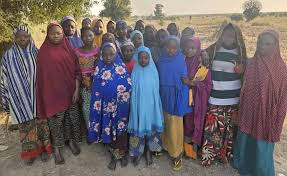
Amidst this high-level scrutiny, the most powerful testament to resilience comes from the traumatized community itself. Parents of the rescued girls, in interviews, have unanimously and defiantly vowed to send their children back to school. Mallam Ibrahim Naibi declared, “My children will go to school. It is a promise I made to them,” a sentiment echoed by others like Abubakar Jibrin, who stressed that educating their children, especially girls, remains an unshakable priority.
This community’s courage stands in stark contrast to the security lapses under investigation. As military authorities in Abuja work to untangle the chain of command that failed Maga, the parents of Maga are sending a clear message: fear will not dictate their children’s future, even as the nation seeks answers for a night that never should have happened.