

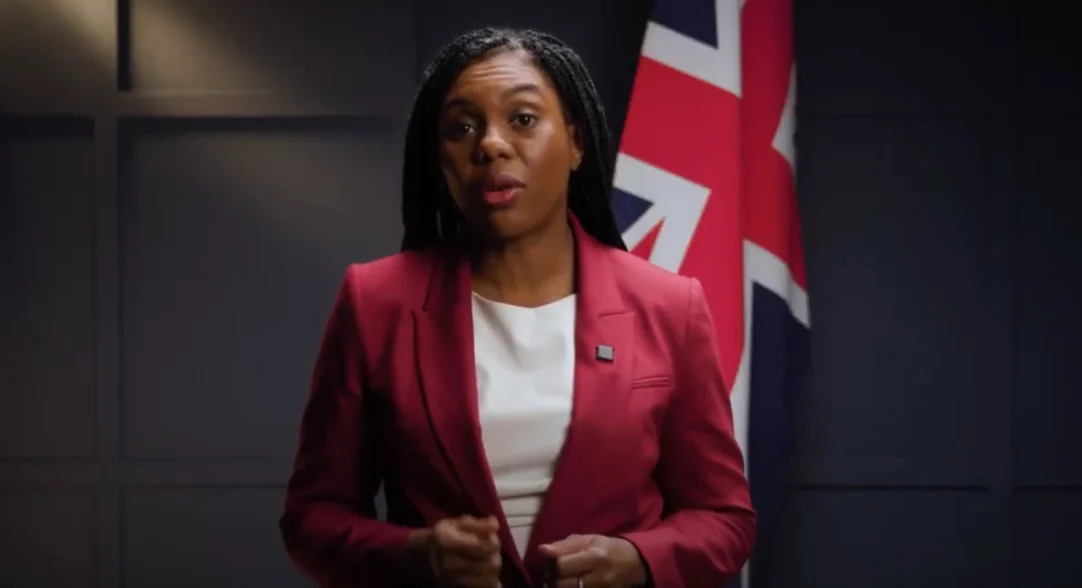
 In a bold move that is already generating intense debate across political and social circles, Kemi Badenoch, the leader of the United Kingdom’s Conservative Party, has announced a sweeping overhaul of immigration policies, aiming to tighten access to British citizenship and indefinite leave to remain (ILR).
The proposed reforms, which have ignited discussions across social media platforms like X, Facebook, Instagram, and LinkedIn, are among Badenoch’s first major policy initiatives since assuming leadership. Her approach underscores a more restrictive stance on immigration, reinforcing the notion that British citizenship should be earned, not easily granted.
Key Changes to UK Immigration Policy
Badenoch’s most striking proposal is to extend the residency period required for immigrants to apply for British citizenship from the current standard (usually five or six years) to a minimum of 15 years. If implemented, this change would mark one of the most significant shifts in UK immigration law in recent history.
She also proposed tighter eligibility criteria for indefinite leave to remain (ILR), a critical step toward citizenship. Under her proposed framework:
- Individuals with criminal records would be automatically disqualified from obtaining ILR.
- Applicants who have received government benefits or social housing would be barred from securing ILR.
- The minimum duration of legal residency before applying for ILR would be increased, making it significantly harder for many immigrants to gain permanent status in the UK.
Badenoch’s Justification: Citizenship as a ‘Privilege, Not a Right’
In defending her proposals, Badenoch argued that British citizenship is a privilege rather than an automatic right, emphasizing that only those who demonstrate a meaningful connection to the UK should be eligible.
She has framed these reforms as necessary to protect the integrity of the UK’s immigration system, ensuring that citizenship is reserved for individuals who actively contribute to society, uphold British values, and do not rely on government assistance.
Badenoch’s stance has received strong backing from right-wing factions within the Conservative Party, who believe that tighter immigration controls are essential for national security and economic stability.
Social Media Backlash and Public Reaction
Badenoch’s announcement has triggered widespread reactions across social media, with the topic trending under hashtags like #UKImmigration, #BadenochPolicy, and #CitizenshipReform on X (formerly Twitter), Facebook, and LinkedIn.
- Critics argue that the proposed policies unfairly target hardworking immigrants who have lived in the UK for years, contributing to the economy and society.
- Some fear that delaying access to ILR and citizenship for up to 15 years would create a large population of people in limbo, unable to fully integrate into British society.
- Human rights organizations have warned that the reforms could disproportionately impact low-income migrants, particularly those fleeing conflict or seeking asylum.
However, supporters of Badenoch’s reforms have praised her for taking a strong stance, arguing that stricter measures are necessary to prevent abuse of the immigration system and prioritize British citizens in housing, welfare, and employment opportunities.
Potential Political and Legal Implications
Badenoch’s proposed immigration crackdown is expected to be one of the most contentious policy debates in the coming months. While it aligns with the Conservative Party’s hardline stance on immigration, it may face strong resistance from opposition parties, advocacy groups, and even moderate Conservatives who fear the economic and social repercussions.
Additionally, the proposed restrictions on ILR could face legal challenges, particularly regarding human rights laws and the UK’s obligations under international agreements.
What’s Next?
As discussions on Badenoch’s immigration policies continue to escalate, it remains to be seen whether these proposals will pass through Parliament or face amendments following public backlash and legal scrutiny.
One thing is certain: the UK’s immigration landscape is poised for a major transformation, and the debate over who gets to call Britain home has never been more intense.