 By ALFRED ABIODUN
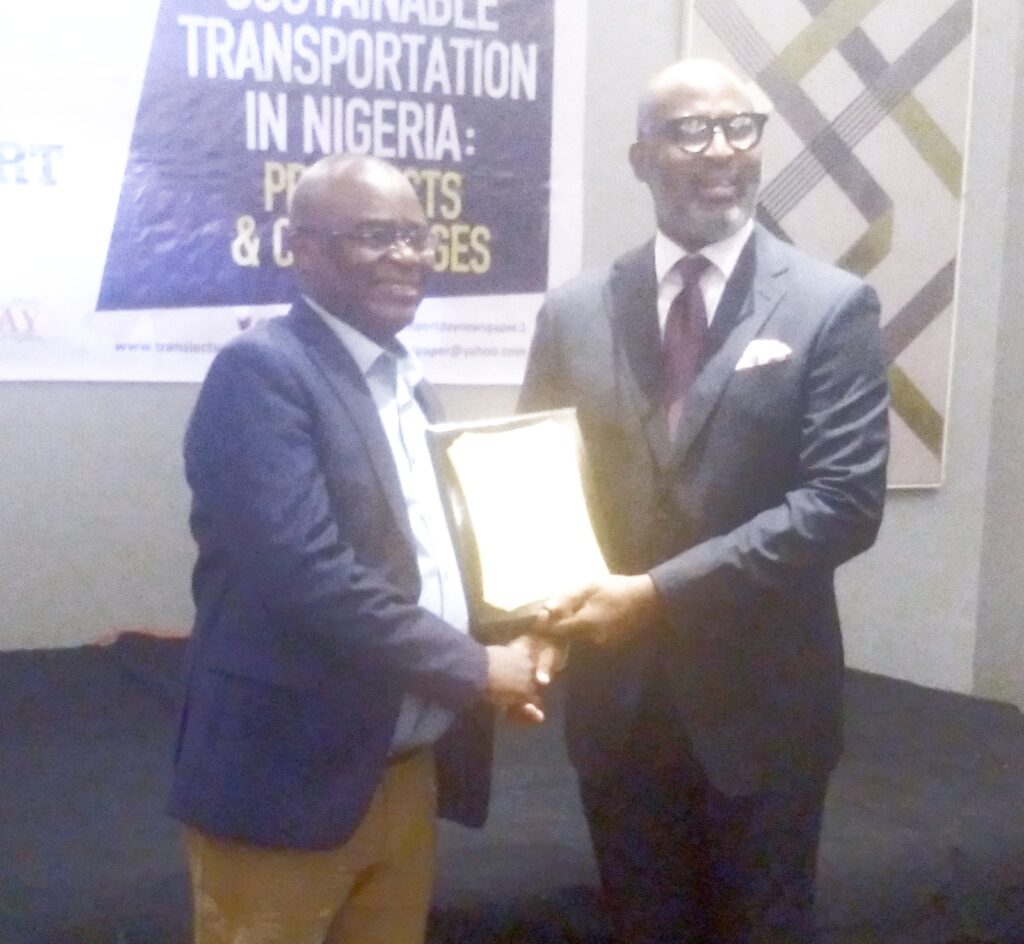
At the 11th Annual Transport Day lecture in Lagos, the Managing Director of Nigerian Railway Corporation (NRC), Dr. Kayode Opeifa, delivered a compelling case for institutional reforms to transform Nigeria’s transportation landscape. Addressing industry leaders and policymakers, the rail chief presented a blueprint for sustainable mobility that could redefine the nation’s economic trajectory.
Blueprint For Integrated Transport System
Dr. Opeifa’s keynote address, titled ‘Sustainable Transportation System in Nigeria: A path to economic prosperity’, revealed startling gaps in Nigeria’s transport governance. While acknowledging moderate progress, he emphasized that fragmented policies continue to hinder optimal performance across rail, road, water, and air transport systems.
“The absence of a holistic national transport policy is like building a city without masterplan,” Opeifa remarked, urging immediate action on three fronts: establishment of state Ministries of Transportation nationwide, creation of standardized vehicle/driver administration agencies, and development of an Integrated Strategic Transportation Master Plan. His proposal includes novel institutions like Motor Vehicle Administration Agencies (MVAA) and Driver Licensing Administration Agencies (DLAA) across all 36 states.
 Tinubu’s Reforms Set Stage For Transformation
The NRC boss singled out President Tinubu’s bold economic reforms as critical enablers for transport revolution. “The fuel subsidy removal and exchange rate harmonization, though painful, have freed resources now being channeled into rail infrastructure at unprecedented levels,” he noted.
Opeifa highlighted visible impacts including ongoing rail expansion projects linking states, freight corridor development, and federal grants for state-level rail infrastructure. These developments, he argued, position Nigeria to achieve Sustainable Development Goals (SDGs) through improved accessibility, affordability and environmental responsibility in mass transit.
 Industry Backs Clean Energy Transition
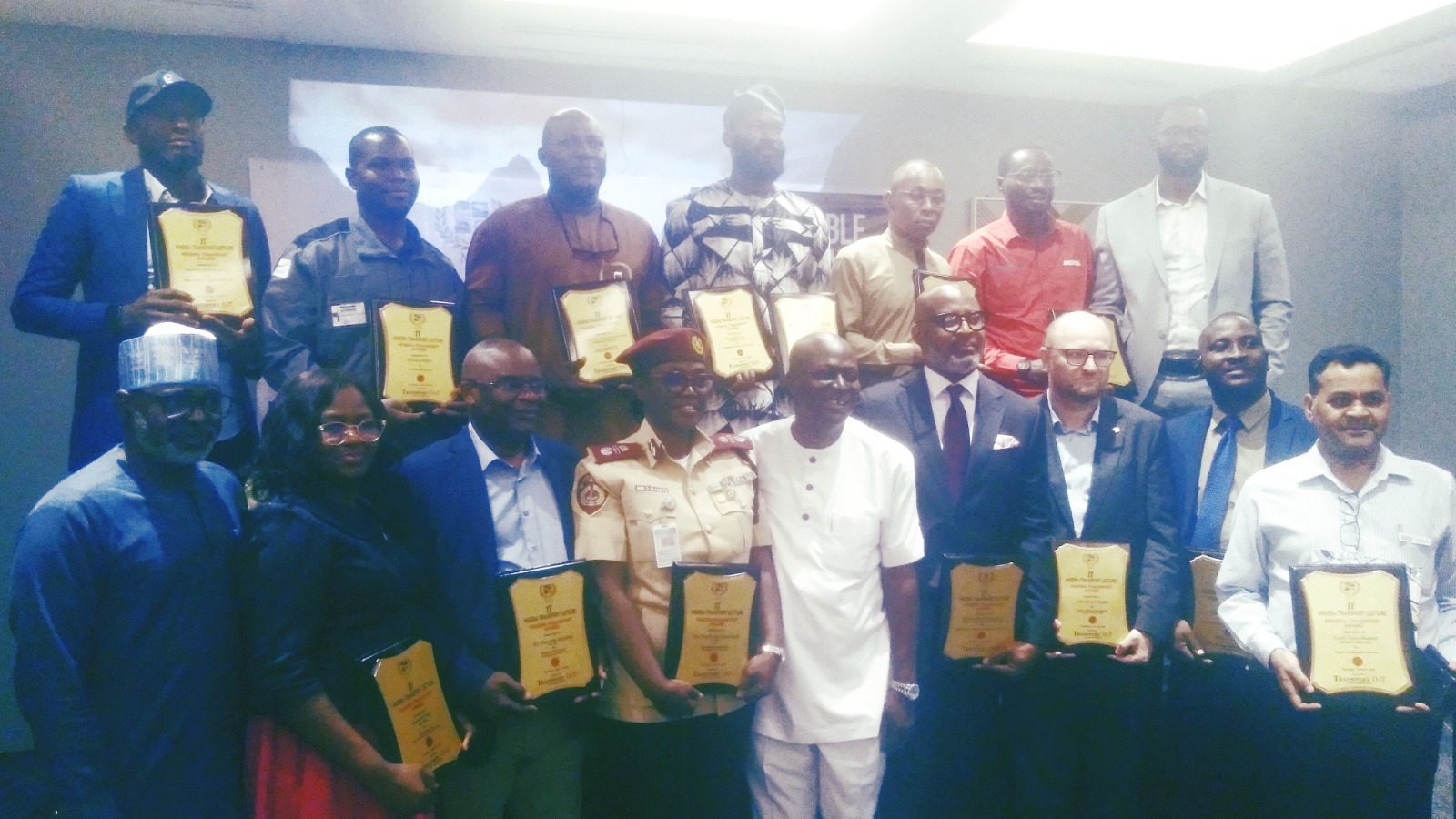
The event’s convener, Frank Kintum, publisher of Transport Day, aligned with Opeifa’s vision while commending the federal government’s compressed natural gas (CNG) initiative. “The global shift to cleaner energy isn’t optional – Nigeria must aggressively adopt electric vehicles and alternative fuels,” Kintum stated, warning against lagging in the energy transition race.
Roadmap to Implementation
Stakeholders at the lecture proposed 12-month timeline for:
-
National Transportation Policy draft
-
Model legislation for state transport agencies
-
Public-private partnerships for electric vehicle infrastructure
With transport contributing 1.5% to Nigeria’s GDP compared to 5% in peer nations, experts agree that Dr. Opeifa’s call for systemic overhaul couldn’t be timelier. As states prepare their 2026 budgets, the question remains whether they’ll heed this urgent prescription for mobility transformation.