
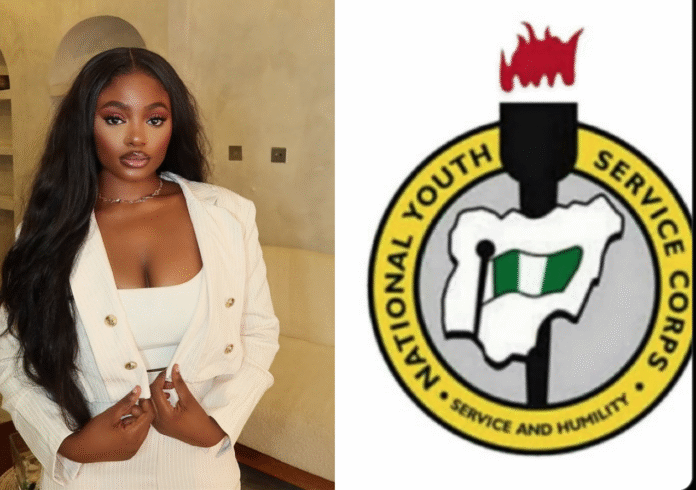
The National Youth Service Corps has slammed the brakes on swirling allegations that outspoken corps member Ushie Rita Uguamaye (popularly known as Raye) was politically targeted for criticizing President Bola Tinubu’s government. In a Sunday statement that read like a courtroom rebuttal, NYSC spokesperson Caroline Embu dismantled the viral narrative piece by piece, revealing a more bureaucratic truth behind the withheld Certificate of National Service.
The drama unfolded when Raye, who gained fame months earlier for her viral video lamenting Nigeria’s economic hardships, took to Instagram claiming NYSC officials had denied her hard-earned certificate during collection day. Her emotional post suggested possible retaliation for her political commentary, sparking outrage across social media platforms. But the NYSC’s response paints a markedly different picture – one of standardized disciplinary measures rather than political persecution.
According to the corps’ records, Raye stands among 131 service members nationwide who faced the two-month extension penalty for a specific infraction: missing the crucial April biometric clearance. The NYSC emphasized this wasn’t some ad hoc punishment but a long-standing procedure etched in their bye-laws, applied uniformly regardless of a corps member’s public profile or political leanings. “The principle of equal treatment was only applied in this case,” the statement stressed, subtly underscoring the organization’s commitment to fairness.
Yet Raye’s counter-narrative adds layers of complexity to the situation. She claims she did attempt April clearance, only to be given the runaround by her Local Government Inspector – first being told to wait, then allegedly having her file seized before being dismissed from the office. This “he said, she said” dynamic has left observers questioning where the truth lies in this bureaucratic standoff.
The NYSC’s firm response serves as both clarification and warning – a reminder that while freedom of expression remains sacrosanct, institutional rules still carry consequences. As the debate continues to trend, the incident highlights the delicate balance between individual activism and organizational protocols in Nigeria’s most iconic national service program. One thing emerges clear: in the clash between viral narratives and institutional records, the full truth often resides somewhere in between.