
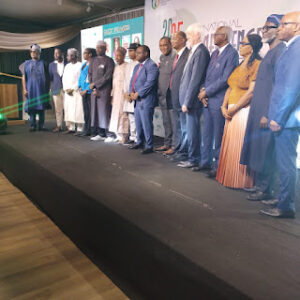
 The 4th International Conference on Renewable Energy and Energy Efficiency, themed “Energy Transition: From Rhetoric to Action in Nigeria,” became a pivotal platform where policy, innovation, and urgency converged.
In the grand auditorium of Idera Hall at the Radisson Blu Anchorage Hotel on Victoria Island, a powerful consensus emerged, signaling a definitive shift in Nigeria’s energy narrative.
His Excellency, the Executive Governor of Lagos State, Mr. Babajide Olusola Sanwo-Olu, represented by the Honourable Commissioner for Energy and Sustainable Developments, Hon. Abiodun Ogunleye, set the tone by declaring Lagos a proud and fertile ground for dialogue, innovation, and investment.
He affirmed that the state, already a significant hub for energy demand and commerce, recognizes the critical importance of such gatherings in shaping a sustainable energy future for its people and the nation at large.
Governor Sanwo-Olu’s message underscored that the global energy transformation has escalated from a hopeful goal to an urgent necessity. For Lagos State and Nigeria, he emphasized, the debate is no longer about *whether* to act but *how swiftly and effectively* the transition to sustainable, cleaner, and more efficient energy systems can be achieved.
This transition is seen as fundamental to fueling economic growth while protecting the environment.
The conference was hailed as a vital platform for thought leadership, uniting policymakers, industry leaders, investors, and researchers to exchange ideas and forge practical strategies that translate broad intentions into tangible impact.
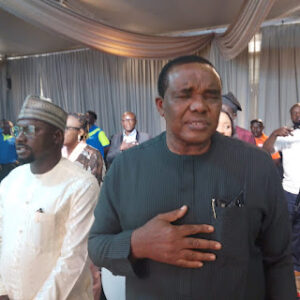 The scholarly welcome address by Prof. Magnus Onuoha, Chairman of the Governing Council of the Renewable Energy and Energy Efficiency Association (REEEA-A), highlighted the association’s proactive efforts and future action plans aimed at liberating Nigeria from the shackles of energy poverty.
He publicly acknowledged President Bola Ahmed Tinubu for the landmark Electricity Act 2023 and commended international partners like GIZ and the German Embassy for their support.
Prof. Onuoha’s sentiment was equally echoed by the Managing Director of the Rural Electrification Agency, Abba Abubakar Aliyu, who represented the Honourable Minister of Power.
He detailed the ministry’s frantic efforts to expand energy access, noting that the Electricity Act has significantly enhanced the framework for generating and distributing power.
Multifaceted Endorsements for Nigeria’s Energy Future
The conference featured robust discussions, including a panel moderated by Dr. Imamuddeen Talba, which featured insightful contributions from figures like the Honourable Commissioner for Energy from Jigawa State, Engr. Dr. Musa Surajo.
The conference stage transformed into a powerful nexus of cross-sectoral validation, as representatives from key government ministries and agencies stepped forward to articulate a collective, national drive toward energy solutions.
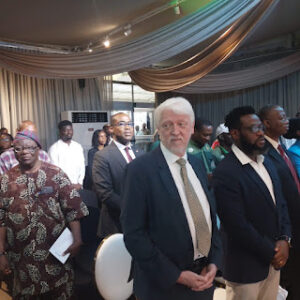 The Managing Director of the Rural Electrification Agency (REA), Abba Abubakar Aliyu, speaking on behalf of the Honourable Minister of Power, delivered a message grounded in the tangible progress of infrastructure and policy.
He outlined the ministry’s “frantic efforts”—a term suggesting both urgency and dedicated action—to extend the reach of energy supplies to “all and sundry,” emphasizing an inclusive approach that leaves no one behind.
The cornerstone of this progress, as he succinctly summarized, is the Electricity Act 2023, a legislative milestone enacted under President Bola Ahmed Tinubu’s administration.
Mr. Aliyu resonated that this Act has injected significant value into the entire energy value chain, fundamentally strengthening the frameworks for both generating and distributing power to the citizenry. His address served to affirm that the policy groundwork for a transformed energy sector is not just aspirational but is actively being laid.
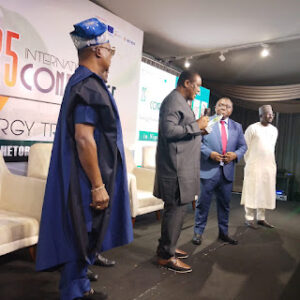 Adding a crucial socio-economic dimension to the discourse, the representative of the Honourable Minister of Women Affairs and Poverty Alleviation, Prince Xavier Eyamba, illustrated how energy access is intrinsically linked to gender empowerment and poverty reduction.
He detailed the ministry’s objective handling of issues disproportionately affecting women and children, strategically focusing on interconnected areas such as health, education, and the promotion of clean cooking solutions through the distribution of clean stoves.
In a significant highlight, he revealed the creation of approximately 40,000 jobs for women, alongside various Corporate Social Responsibility (CSR) initiatives.
This report underscored that energy transition is not merely a technical endeavor but a catalyst for broad-based social upliftment.
Prince Eyamba then powerfully endorsed the efforts of REEEA-A, expressing confidence that the association is charting a course so worthy that the current “hopelessness” of energy outages will soon be relegated to the past, remembered only as forgotten “shackles” that once constrained national potential.
The gathering was further enriched by goodwill messages from a diverse array of speakers, including two delivered virtually, highlighting the national and international interest in Nigeria’s energy journey.
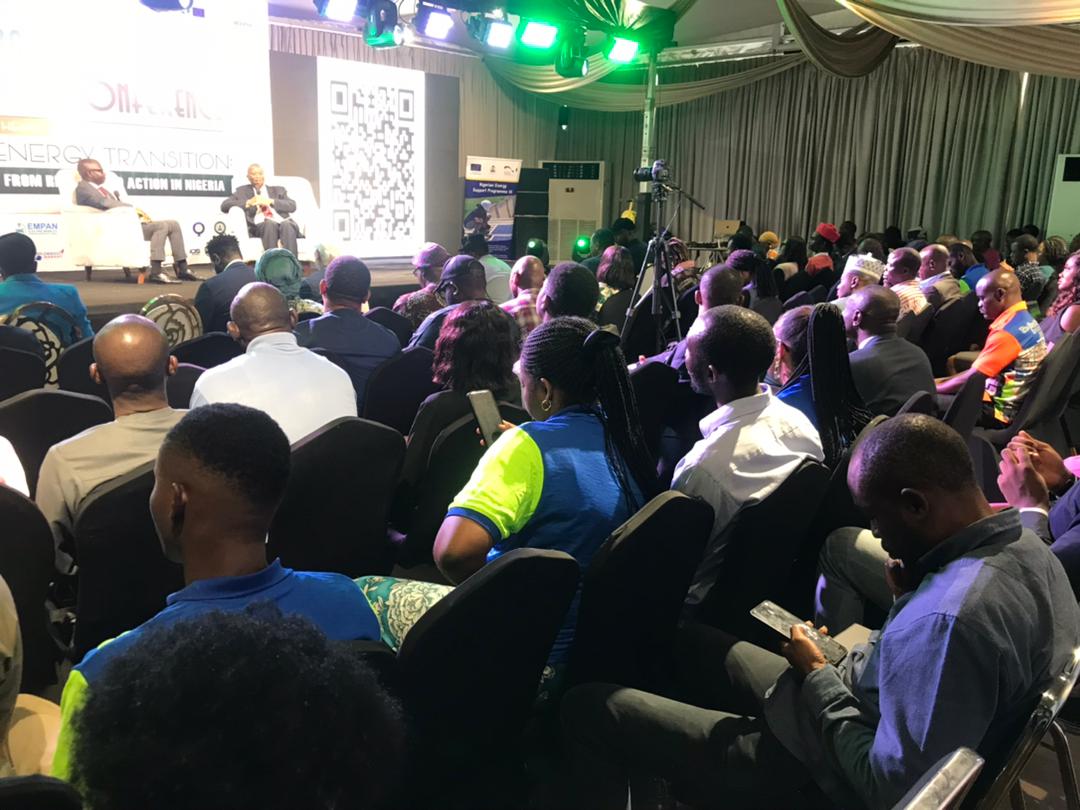
 The intellectual core of the event was then brought to the fore with the first panel discussion, expertly moderated by Dr. Imamuddeen Talba.
A standout contributor was the Honourable Commissioner for Energy and Sustainable Developments of Jigawa State, Engr. Dr. Musa Surajo, who brought a unique regional perspective to the table.
He informed the audience of Jigawa’s strategic position, sharing borders with Chad, Niger, and Cameroon, a geography that underscores the potential for cross-border energy collaboration and the critical need for stability in the region.
Dr. Surajo commended REEEA-A for orchestrating a forum that successfully gathered stakeholders to exchange ideas on evolving new “trappings”—meaning systems and mechanisms—for the generation and distribution of energy supplies.
 His participation highlighted the importance of sub-national governments in translating national energy policies into localized, actionable strategies that address specific regional challenges and opportunities.
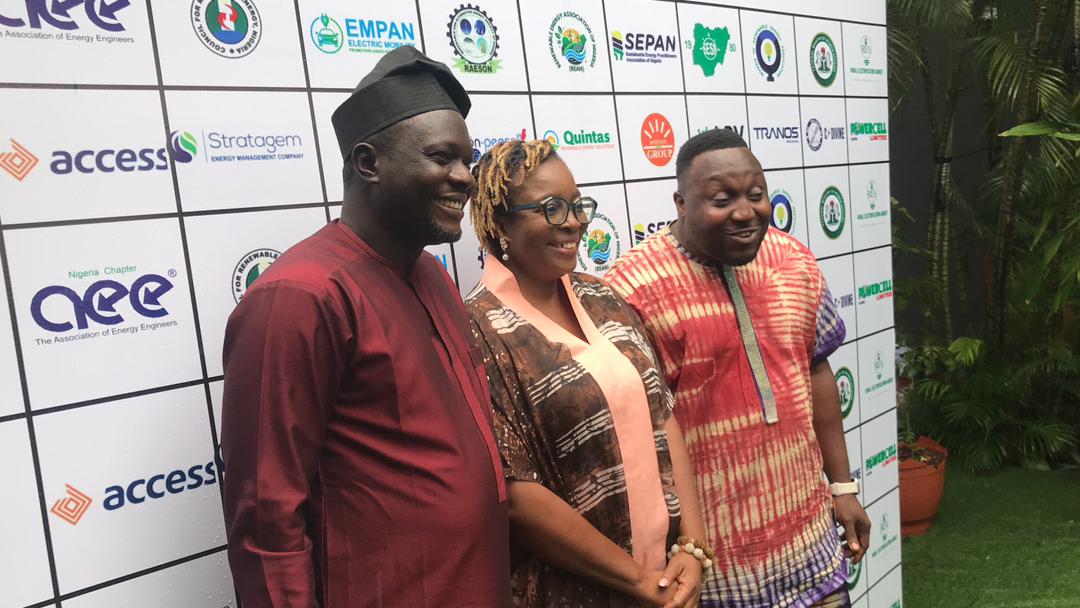
Adding a crucial perspective, the President of the Electric Mobility Promoters Association of Nigeria (EMPAN), Engr. Dapo Adesina, stressed in an interview that the conference’s theme was profoundly apt, as Nigeria has been saturated with rhetoric in the past.
He called for concrete roadmaps and actionable commitments from all stakeholders to make renewable energy a tangible reality in the near future.
As the conference adjourned to reconvene for its second day, featuring award presentations, the collective resolve in the hall marked a significant step toward turning energy promises into palpable progress for the nation.