


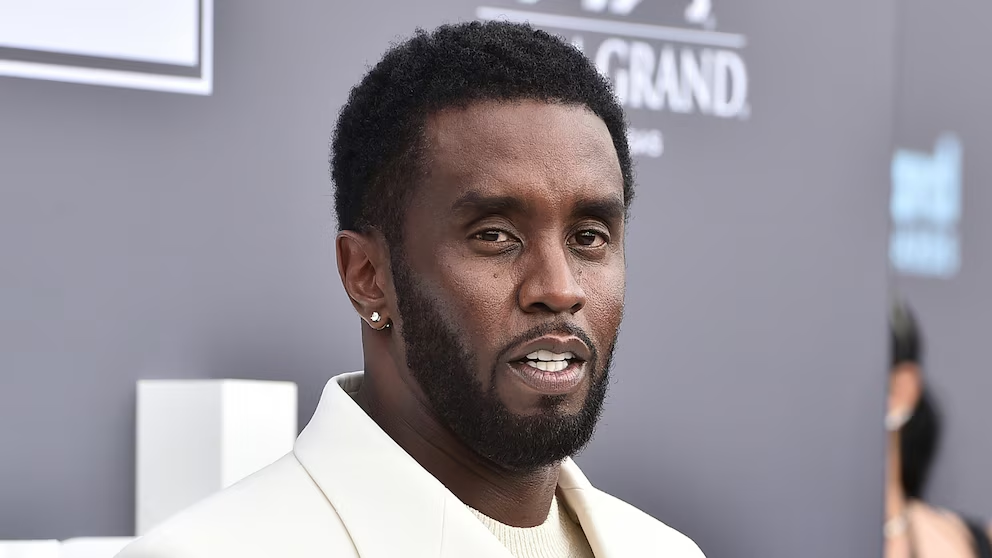
Sean “Diddy” Combs was sentenced to four years and two months in federal prison. The sentencing brings a conclusive chapter to a legal saga that rapidly dismantled the public persona of one of hip-hop’s most iconic and powerful figures, transforming him from a celebrated mogul into a federal inmate.
The gavel’s fall represents not just a judicial ruling but the culmination of a spectacular downfall that captivated and horrified the public in equal measure.
The sentence was delivered after Combs pleaded guilty to serious federal charges, with the core of the case revolving around allegations of racketeering.
This charge, often used to dismantle organized crime networks, painted a picture of a sprawling and coercive enterprise operating under the guise of his business ventures. Federal prosecutors meticulously detailed a pattern of conduct that included a combination of threats, intimidation, and physical violence to maintain control and settle disputes, portraying a dark underbelly starkly at odds with the glamorous, champagne-soaked image Combs projected to the world.
Beyond the racketeering charge, the case exposed a deeply troubling personal history of violence.
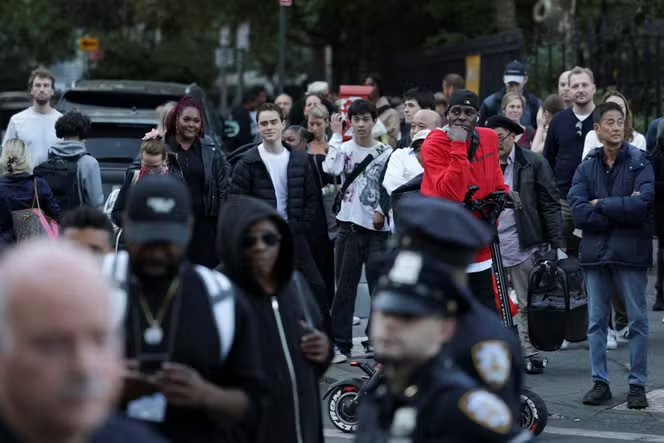 The sentencing hearing incorporated evidence from a 2016 incident involving his former girlfriend, Casandra “Cassie” Ventura, where a recently surfaced hotel surveillance video provided visceral, undeniable proof of a brutal assault.
While the statute of limitations had expired for that specific crime, preventing separate charges, the judge was permitted to consider it as a demonstration of the defendant’s character and a pattern of abusive behavior, heavily influencing the final sentence and casting a long shadow over his legacy.
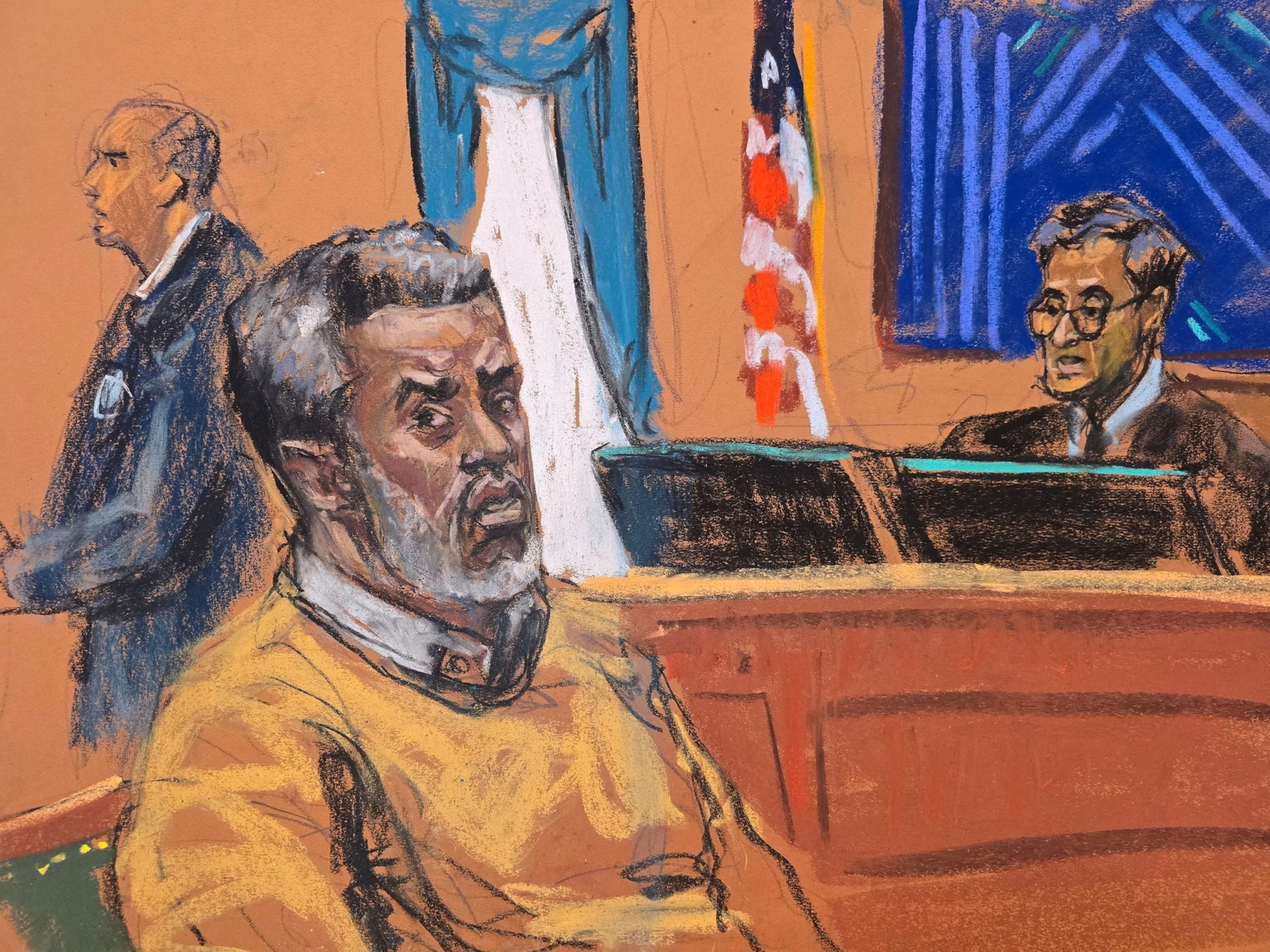 The four-year, two-month sentence closes a major phase of the legal proceedings but opens a new, uncertain chapter for the Bad Boy Records founder.
For the victims who bravely came forward, it is a measure of long-awaited accountability. For the music and business worlds, it is a profound cautionary tale about the corrosive nature of power and the inescapable truth that no amount of fame or fortune can place someone above the law.
As he prepares to surrender to authorities, the legacy of Sean Combs is irrevocably altered, remembered not for his monumental contributions to music and culture, but for the violence and criminality that ultimately brought his empire to its knees.