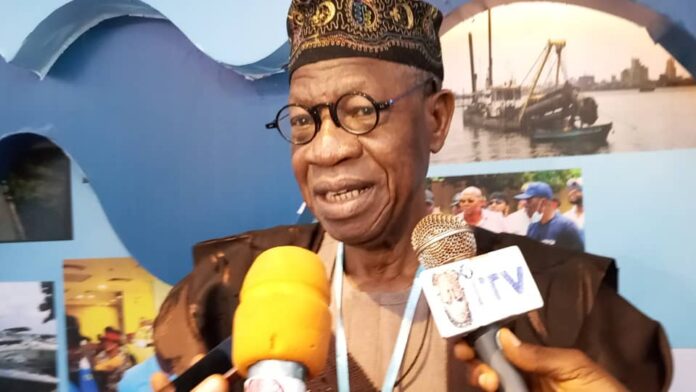
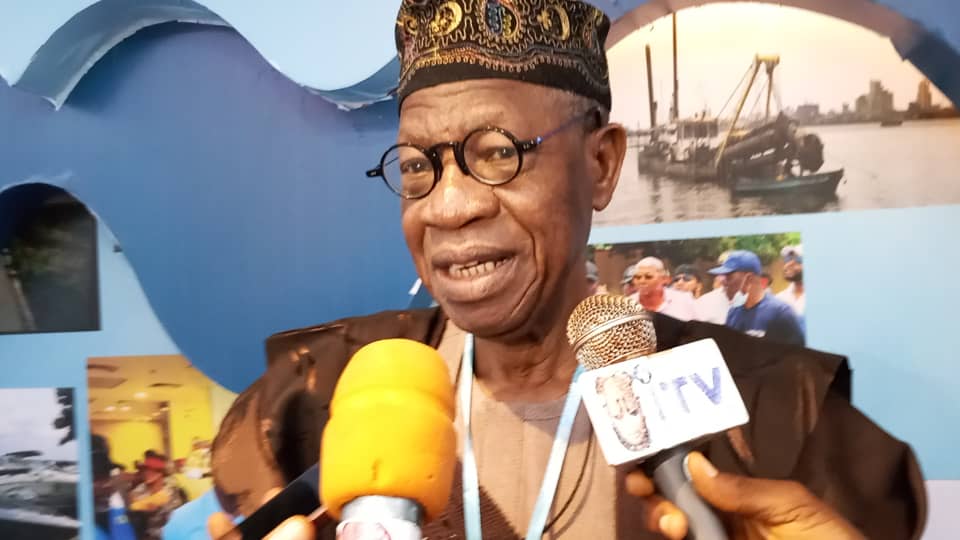
– BY ALFRED ABIODUN
In the elegant ballroom of the Eko Hotel & Suites, where the shimmering Lagos Lagoon served as both backdrop and subject of discussion, a familiar voice resonated with measured clarity.
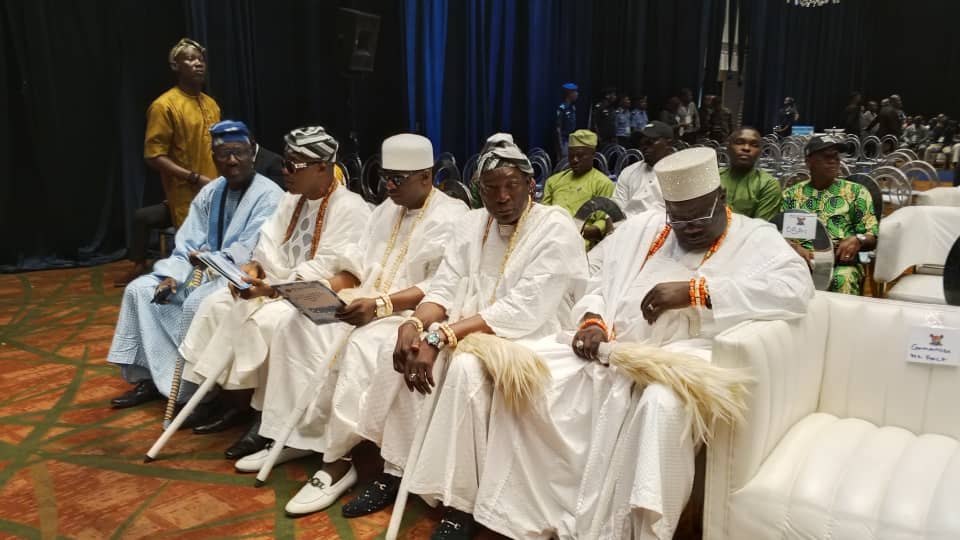
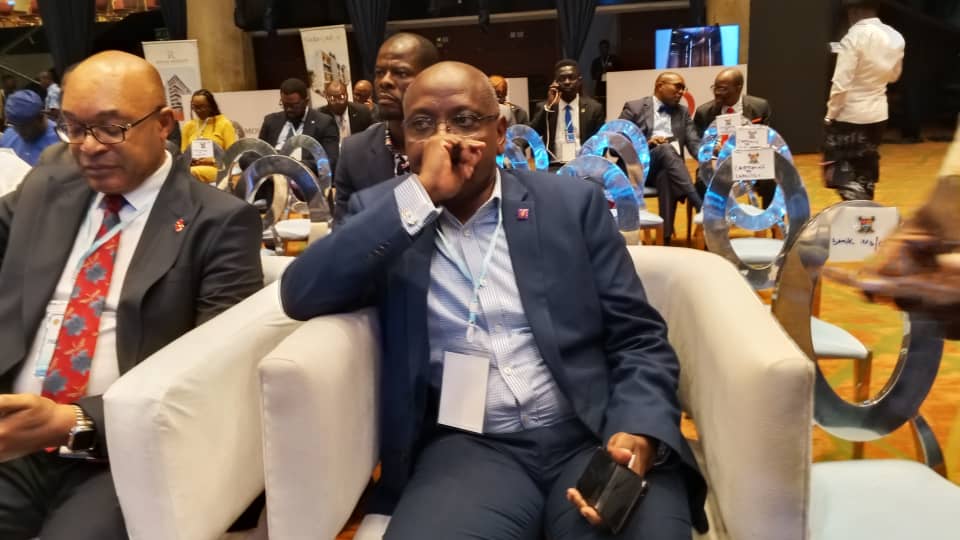
DASCENARIO reports that Alhaji Layiwola “Lai” Mohammed, the formidable lawyer and political strategist who once dominated Nigeria’s media landscape as Minister of Information and Culture, made a notable public appearance at the 1st Lagos Waterfront Summit.
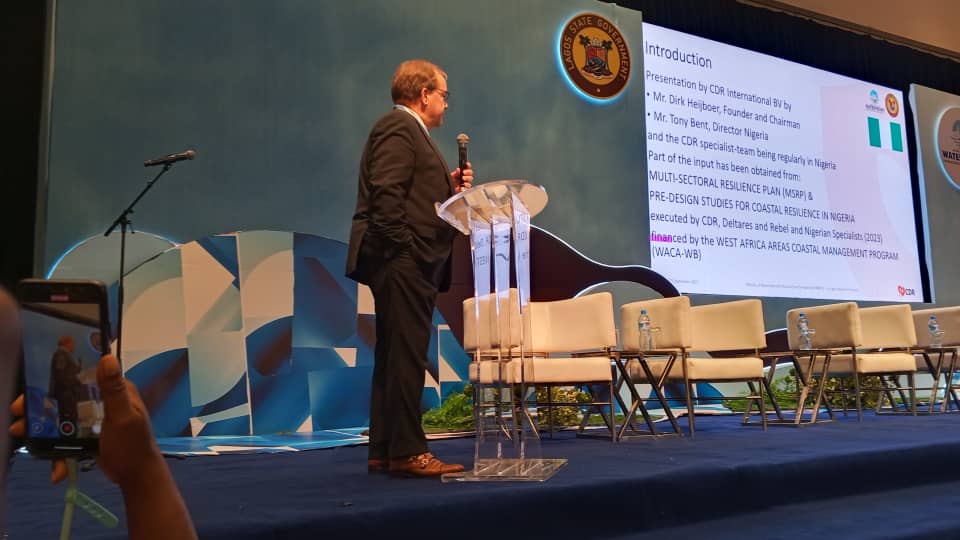
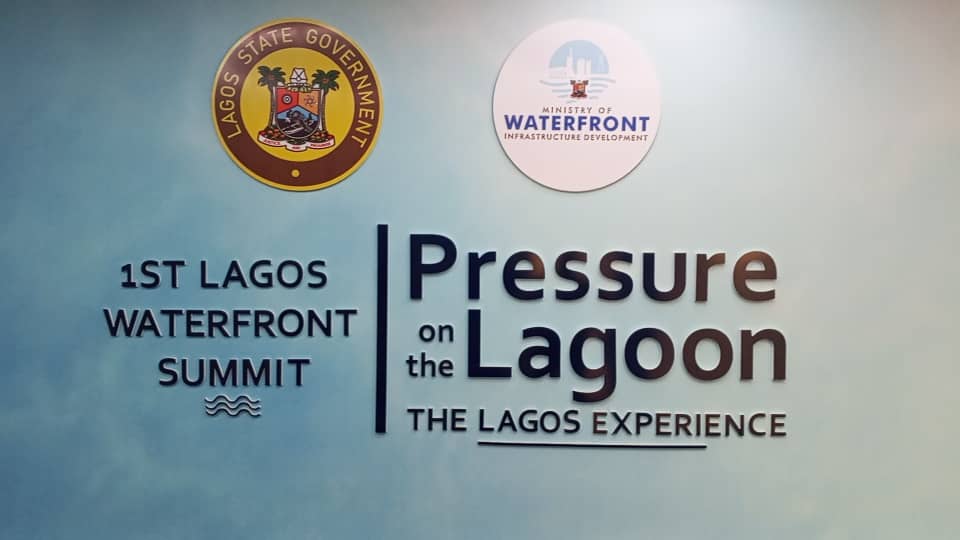 The theme, “Pressure On The Lagoon; The Lagos Experience,” drew a diverse audience of environmentalists, policymakers, and journalists, all eager to hear insights on mitigating the ecological and economic challenges facing Africa’s largest coastal city. But it was Mohammed’s commentary—on climate resilience, governance, and his own political silence—that captured the room’s attention, offering a glimpse into the mind of a kingmaker now operating strategically.
Speaking with the poise that defined his eight-year tenure as the government’s chief spokesperson, Mohammed emphasized the urgency of adapting to global climate change by reimagining urban water management.
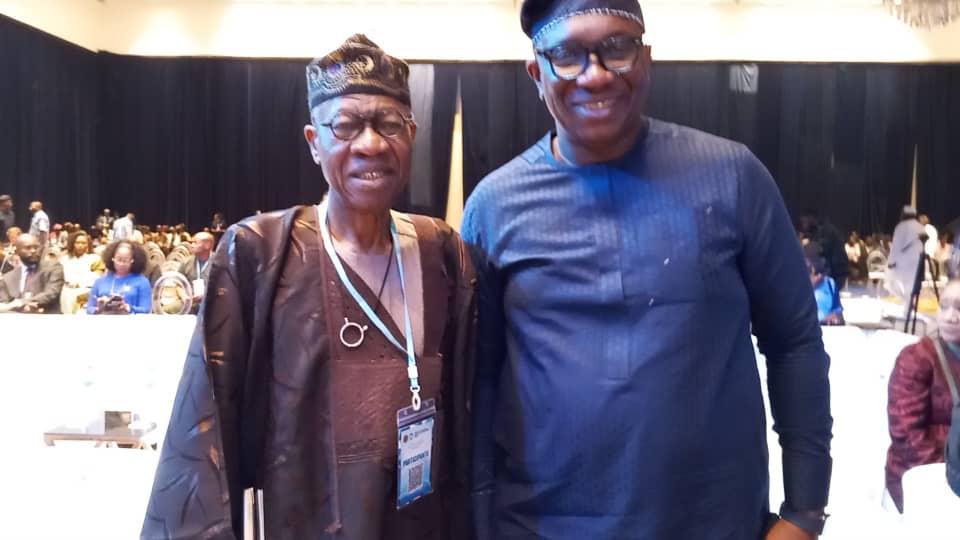 “With the effect of global climate change, it has become imperative for cities to harness water potentials,” he asserted, advocating for a paradigm shift from combating waterways to embracing them as economic assets.
He elaborated on strategies to make Lagos’s waters more ecosystem-friendly, highlighting integrated approaches such as sustainable waterfront development, flood-resilient infrastructure, and eco-tourism initiatives that could transform the lagoon from a threat into a source of prosperity.

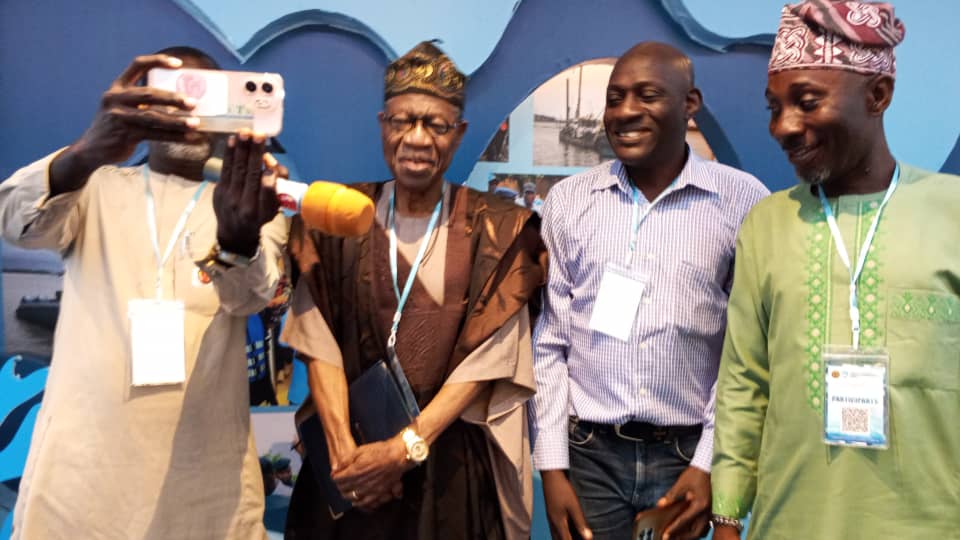 His vision aligned with the summit’s goal of fostering dialogue between public and private sectors, underscoring the need for policies that balance urbanization with environmental stewardship.
Yet, it was his response to personal queries that unveiled a new chapter in his political journey. When journalists probed about his uncharacteristic quietude since leaving office in May 2023, Mohammed revealed a deliberate retreat from the spotlight.
“As I am no longer a public office holder, I am not in a position to officially speak for the government again,” he explained, acknowledging the distinction between his past role and current status.
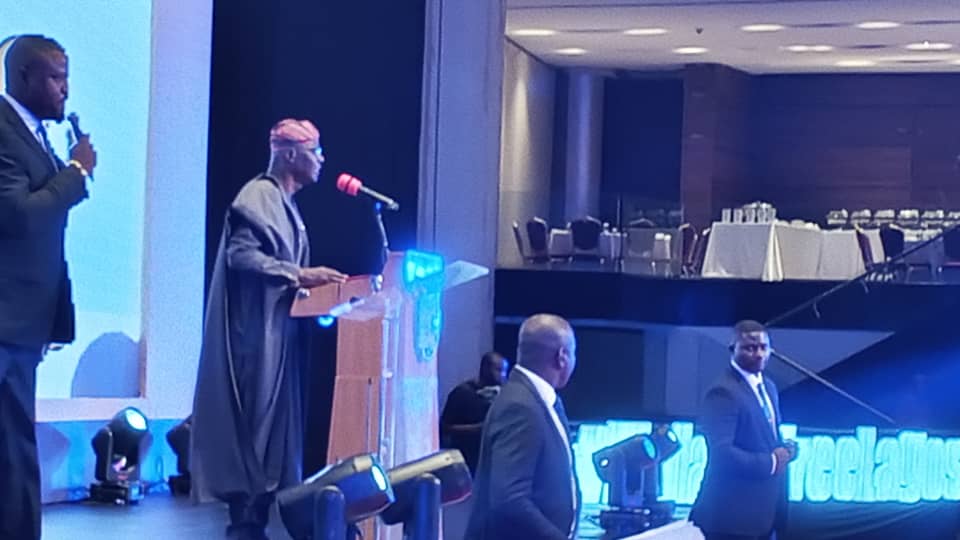 However, he swiftly affirmed his unwavering allegiance to the All Progressives Congress (APC) and President Bola Ahmed Tinubu, whom he described as a long-term mentor. “I am always supporting from the flanks now,” he remarked, suggesting a behind-the-scenes role in shaping party strategy without the overt visibility of his ministerial days.
 Addressing the performance of the current administration, Mohammed struck a tone of patient optimism. “APC is my party, and I am part and parcel of this political administration,” he declared, deflecting criticism with a call for public trust and time.
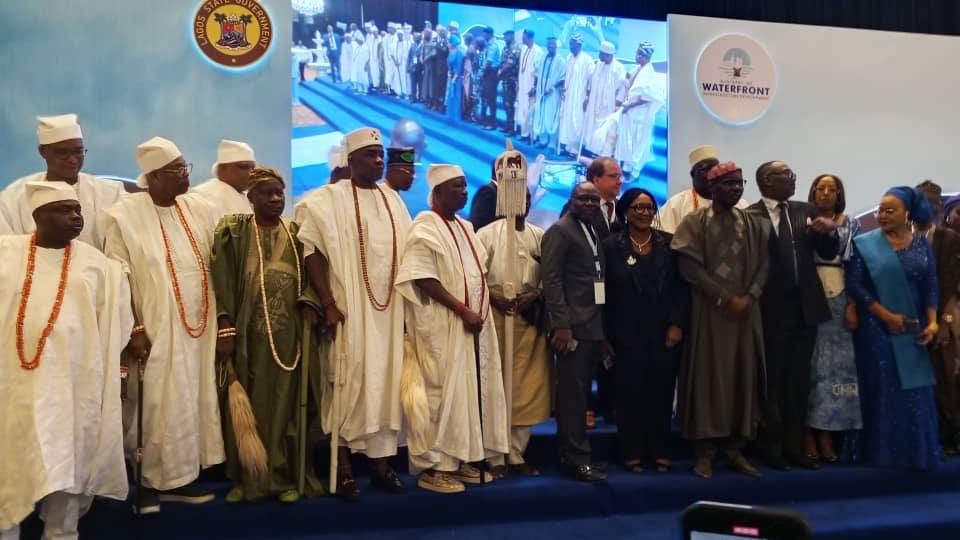 He argued that the government’s policies, though yet to yield widespread tangible benefits, are “well-intended” and require patience to mature. This defense, while expected from a party stalwart, also hinted at the internal pressures and high stakes facing the Tinubu-led administration as it navigates economic reforms and public expectations.
 Mohammed’s words served as both a reassurance to allies and a subtle message to detractors: the APC’s legacy is still unfolding, and its architects are watching, waiting, and working from the flanks.