A community resident says the neighbourhood was once overwhelmed by dirt and plastic waste, while a waste aggregator credits Nestlé’s support with helping his recycling business grow to more than 100 workers.
How Nestlé’s plastic recycling initiative is turning waste into livelihoods, cleaner surroundings and new economic opportunities
For Comfort Patrick, a waste sorter, the transformation is visible in the community. What she remembers as an environment that was once very dirty is, in her account, gradually becoming cleaner through a recycling initiative supported by Nestlé and its partners.
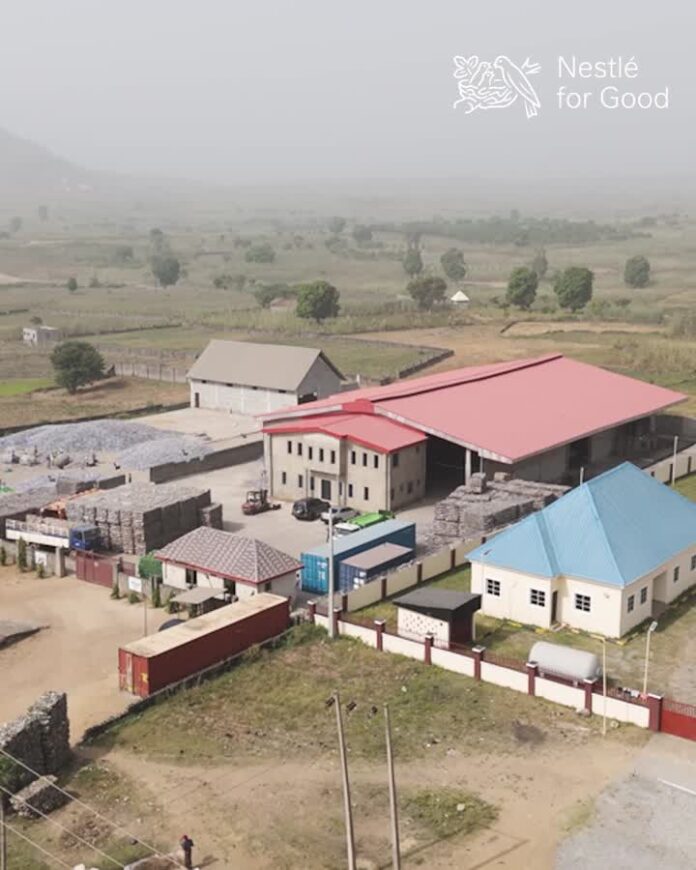
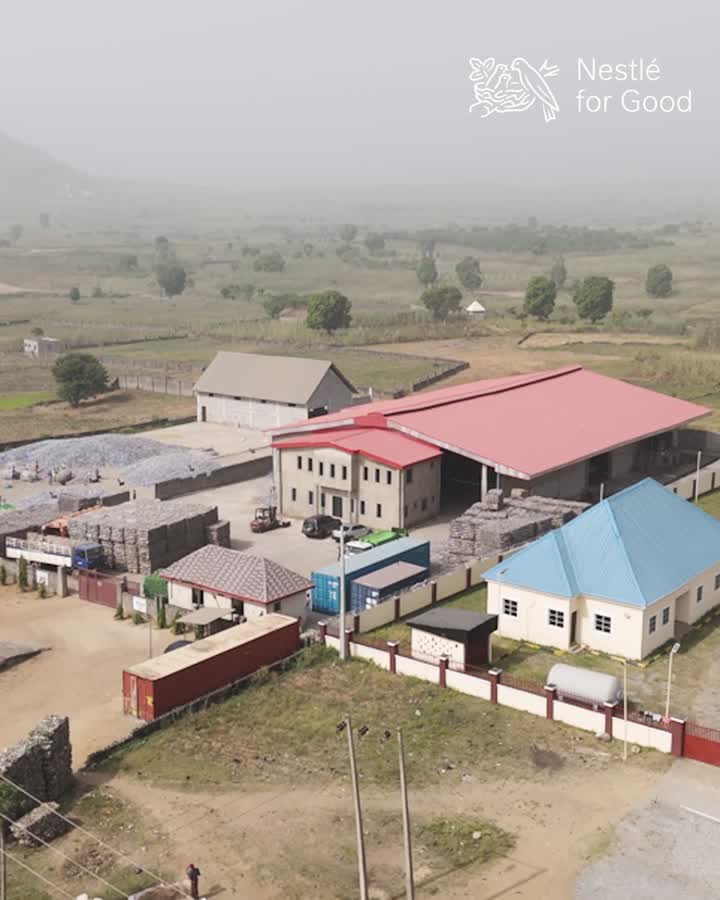
For Alhaji Ibrahim Umar, a plastic waste aggregator, the impact has been economic as well as environmental. He says Nestlé provided financial support, equipment and business training that helped him expand his recycling operations and employ more than 100 workers.
Their experiences offer a human perspective on Nestlé’s plastic recycling initiative in Nigeria—an intervention that seeks to address plastic pollution while creating opportunities for people whose livelihoods are connected to waste collection and recycling.
The accounts of Patrick and Umar illustrate how organised waste recovery can move beyond clearing discarded plastics from streets and communities. When supported with training, equipment, finance and access to recycling networks, waste collection can also become a source of employment and income.
From an untidy environment to community participation
Patrick’s testimony reflects the environmental dimension of Nestlé’s plastic recycling initiative in Nigeria.
She said the community used to be very dirty before the intervention, highlighting the difference that organised waste collection and recycling activities have made to the local environment.
For residents, the benefits of improved waste management can be felt in everyday surroundings. Plastic materials that might otherwise remain scattered around public spaces can be gathered, sorted and channelled into recycling systems.
Her account also points to the importance of community participation. Cleaner surroundings cannot be sustained by occasional clean-up exercises alone; they require consistent collection, responsible disposal and systems that give recyclable materials value.
How support helped a recycling business grow
Umar’s experience provides another perspective on the initiative: the potential for recycling to support enterprise development and employment.
According to the plastic waste aggregator, Nestlé provided financial assistance and equipment, alongside training on how to operate and manage the business.
He said the support helped him build a more substantial operation, which now employs more than 100 workers.
The account highlights a significant feature of Nestlé’s plastic recycling initiative in Nigeria: strengthening the people and small businesses that help move plastic waste from communities into the recycling value chain.
For aggregators, access to equipment, business knowledge and financial support can improve their ability to collect, handle and supply recyclable materials. It can also create opportunities to engage more workers, including people who depend on waste sorting and collection for their livelihoods.
Umar’s testimony suggests that the benefits of such interventions can extend beyond the individual business owner to employees and their households.
The numbers behind Nestlé’s recycling effort
Nestlé says it has been working with recyclers, waste aggregators, employees and industry partners since 2019 to reduce plastic waste and advance a circular economy in Nigeria.
According to figures shared by the company, its collaborative efforts have achieved the following:
- 61,032 tonnes of plastic diverted from landfills through partnerships with recyclers and the Food and Beverage Recycling Alliance (FBRA).
- 43 plastic waste aggregators supported through training and financial assistance under the Plastic Advantage Programme.
- 5,992 kilogrammes of plastic recovered through the Employee Plastics Collection Scheme since 2022.
The figures indicate the scale of the company’s reported activities, while the testimonies of Patrick and Umar offer examples of how recycling interventions may translate into community-level and business outcomes.
Partnerships at the centre of the circular economy
Nestlé identifies Wecyclers, Chanja Datti and Maladase Ecopreneur Management Ltd. among the partners involved in its plastic recovery and recycling activities.
The company also works through the Food and Beverage Recycling Alliance, an industry platform that supports collaboration in the recovery and recycling of post-consumer packaging.
Such partnerships are important because plastic waste management involves several stages: collection, aggregation, sorting, processing and the eventual reuse of recovered materials.
By supporting different participants in this chain, Nestlé’s plastic recycling initiative in Nigeria seeks to strengthen the systems required to keep recyclable materials in productive use rather than allowing them to become litter or end up in landfills.
Beyond environmental clean-up: Supporting livelihoods
The experiences shared by Patrick and Umar underline the connection between environmental action and economic opportunity.
For a waste sorter, a cleaner community can mean a more organised environment in which recyclable materials are collected and handled more effectively. For an aggregator, access to resources and business training can help turn a small operation into a larger enterprise capable of providing employment.
This is the wider promise of a circular economy: materials that would otherwise be discarded can retain economic value, while the people involved in recovering them can participate in a productive business chain.
However, sustaining these gains requires more than isolated interventions. Consistent public participation, reliable markets for recovered materials, adequate infrastructure, responsible packaging practices and continued investment across the recycling value chain remain important.
A shared responsibility for a cleaner future
Nestlé’s reported results and the accounts of the two beneficiaries present a picture of environmental action that is also tied to people’s everyday lives.
Patrick’s observation about the community’s former condition draws attention to the importance of cleaner public spaces. Umar’s account of a recycling business employing more than 100 workers illustrates the potential for waste recovery to create livelihoods.
Together, their experiences show why collaboration among manufacturers, recyclers, aggregators, workers and communities matters.
The long-term test for Nestlé’s plastic recycling initiative in Nigeria, and similar programmes, will be whether the progress can be sustained, expanded and translated into lasting improvements in waste management and economic inclusion.
A cleaner future, as the initiative’s message suggests, depends on collective action—and on ensuring that the people doing the work are equipped to make that future possible.
DASCENARIO — The stories that matter. The voices that shape tomorrow.