Investigative researcher and youth advocate Tope Makinde has challenged Nigerians to move beyond criticism of government and embrace accountability, integrity and practical solutions to national challenges, recounting how his team investigated the 2025 Mokwa flood disaster and submitted its findings to relevant authorities without seeing the desired response.
Speaking at The FORGE AFRICA’s Imagine Nigeria As An Open Canvas youth summit in Lagos, Makinde questions the government’s response to preventable disasters, urges young Nigerians to harness their talents and insists that patriotism must be demonstrated through action.
Tope Makinde Raises Questions Over Mokwa Flood Investigation and Government Accountability
Investigative researcher Tope Makinde has called for greater government accountability and active citizen participation in national development, revealing how a self-funded investigation into the devastating Mokwa flooding in Niger State exposed infrastructure and drainage concerns that he believes required urgent government attention.
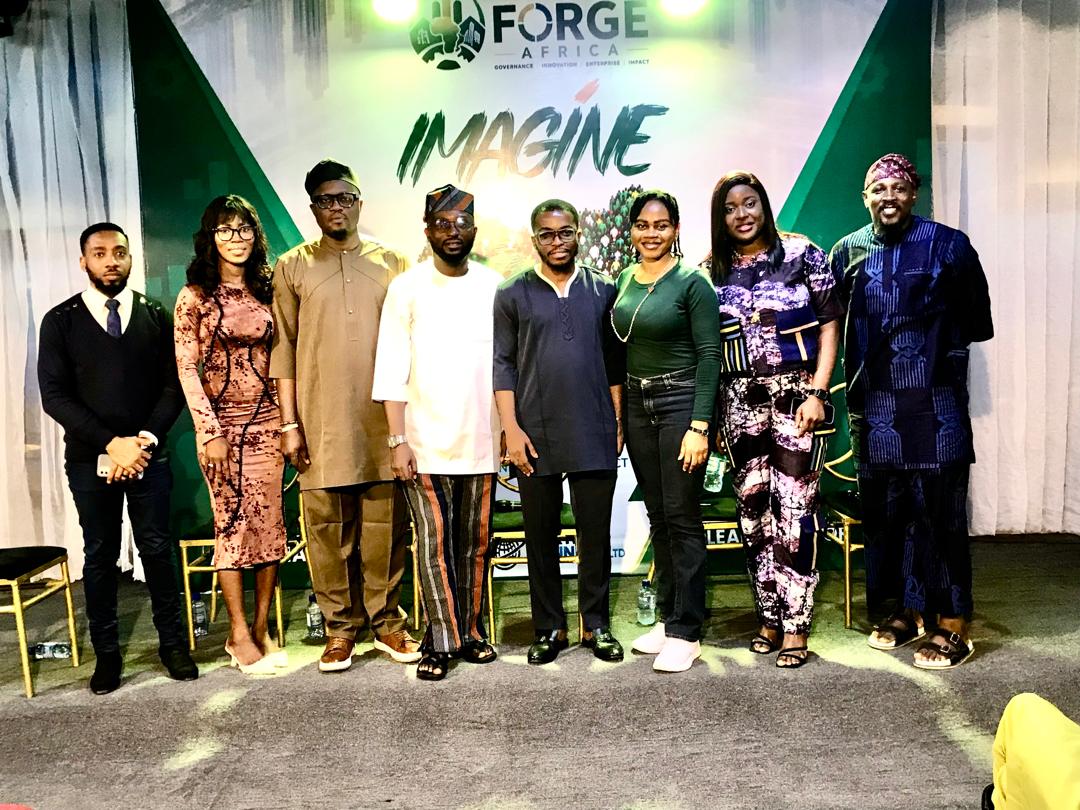
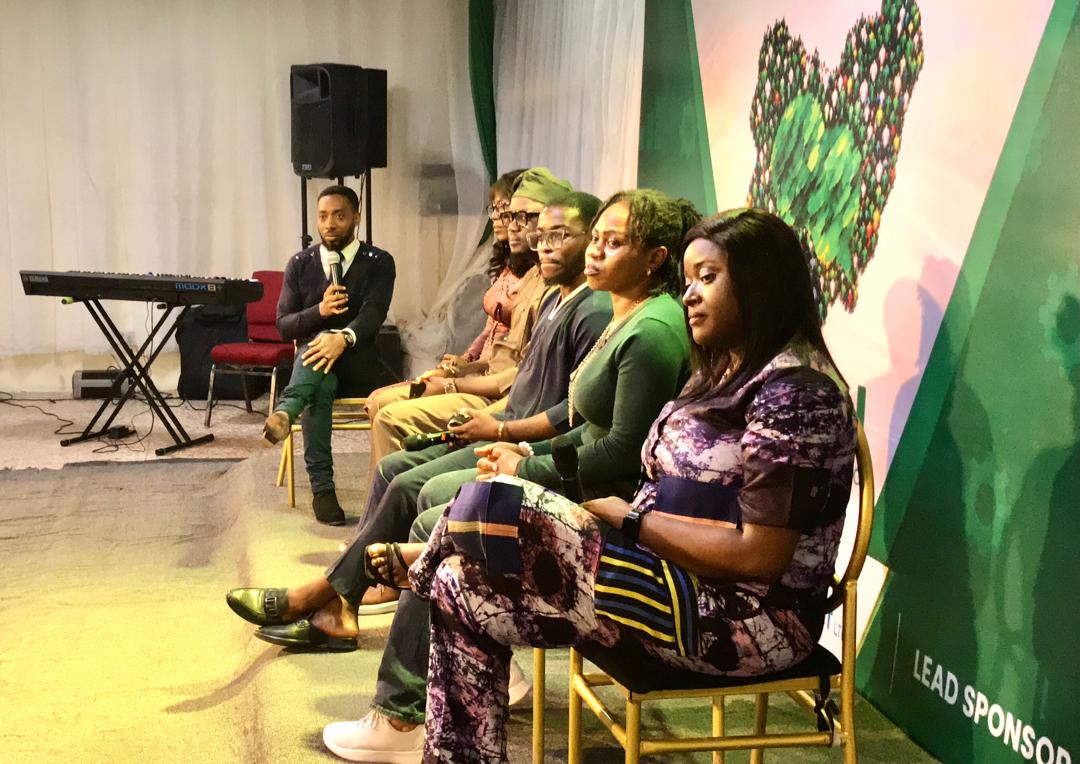
Makinde made the observations while speaking as a panelist at The FORGE AFRICA’s Imagine Nigeria As An Open Canvas youth summit, held at ERIDAN City, Alausa, Ikeja, Lagos.
The summit, which provided a platform for young Nigerians to discuss national identity, patriotism, innovation and the country’s future, featured conversations around what Nigeria represents to its citizens and the responsibilities of individuals in building a better society.
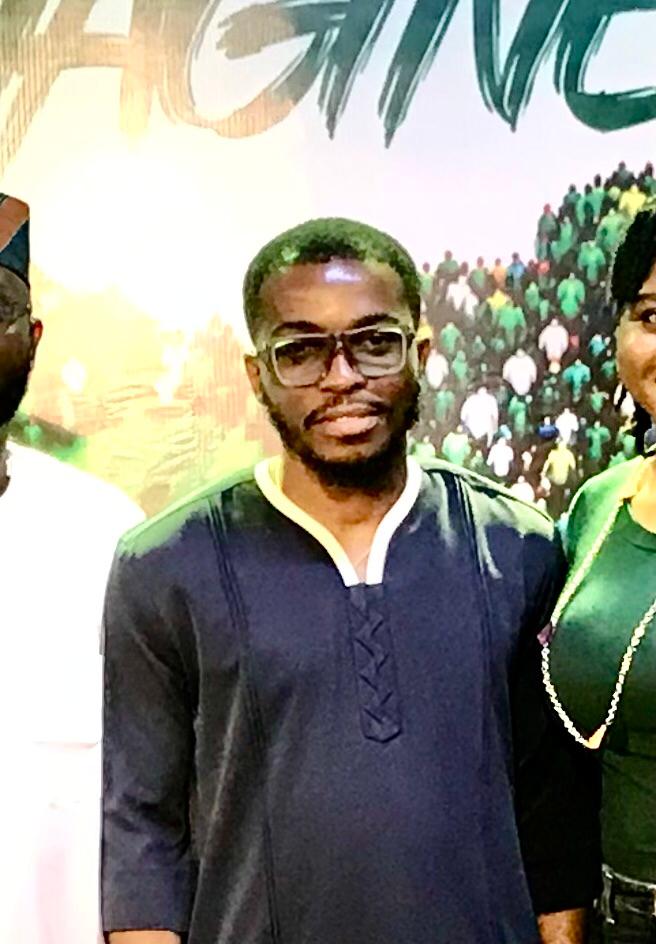
Responding to questions about what it means to be Nigerian, Makinde described Nigerians as intelligent, strong and resilient people whose abilities are not being adequately harnessed.
He argued that the country possesses enormous human potential but needs to create an environment where creativity, technical knowledge and innovation can be channelled towards solving societal problems.
Using the example of Nigerian cyber talents, he suggested that skills sometimes deployed for fraudulent activities could instead be redirected towards legitimate cybersecurity careers and innovation, pointing to opportunities available to highly skilled professionals in countries such as the United States.
According to him, Nigeria’s challenge is not necessarily a shortage of capable people but the failure to adequately channel their abilities towards productive national development.
 ‘Patriotism Begins With Credibility, Reliability and Integrity‘
Makinde identified credibility, reliability and integrity as three fundamental values that should define patriotism and individual contributions to national development.
He argued that young Nigerians should not allow a lack of money or material resources to prevent them from building meaningful careers, businesses and initiatives.
According to him, individuals who consistently demonstrate these three qualities can attract opportunities, partnerships, mentorship and investment, even when they do not initially possess significant financial resources.
He maintained that credibility establishes trust, reliability demonstrates consistency, while integrity provides the foundation for responsible leadership and sustainable relationships.
For Makinde, patriotism goes beyond displaying national symbols, singing the national anthem or publicly expressing affection for Nigeria.
Rather, it requires citizens to demonstrate honesty, discipline, accountability and a willingness to do what is right, even when nobody is watching.
He stressed that the development of a nation begins with the character of its citizens, arguing that Nigerians must first build themselves into responsible individuals before expecting to transform their communities and the country.
Makinde Recounts Self-Funded Investigation Into 2025 Mokwa Flood Disaster
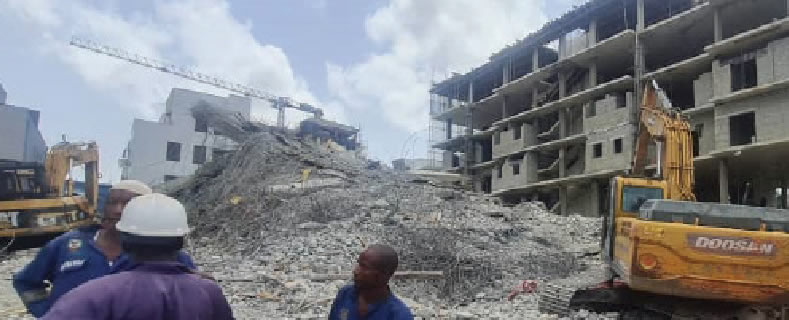
One of the most compelling moments of Makinde’s contribution was his account of an investigative exercise he and his team undertook following the devastating Mokwa flood disaster of May 2025.
He explained that the decision to investigate the disaster was driven by the belief that citizens should not merely complain about government failures but should also contribute their knowledge, resources and expertise towards finding solutions.
According to Makinde, he was travelling with his team on another government-related project when they encountered the aftermath of the Mokwa tragedy.
The devastation, including damaged buildings and residents digging through debris to recover bodies, prompted him to initiate an independent investigation into the circumstances surrounding the disaster.
He said the team committed approximately ₦3 million to ₦4 million of its own resources to the exercise, which was designed to establish four key issues: the cause of the flooding, the extent of its impact, possible preventive solutions and recommendations that could be presented to government authorities for implementation.
Satellite Technology and Drone Surveys Used to Examine Flood Impact
Makinde disclosed that his team deployed satellite imagery, drone technology and geographical assessment techniques to investigate the affected communities.
He explained that satellite imagery enabled the researchers to compare the settlement before and after the disaster, while drone surveys provided a clearer picture of the affected locations and the extent of destruction.
According to his account, the team identified approximately 200 buildings that had been washed away or destroyed during the flooding.
He also described how the researchers examined the surrounding terrain, water channels, damaged structures and other features to understand how water accumulated and moved through the affected area.
Makinde said their investigation suggested that water accumulation behind a section of infrastructure, which he described as a railway track and an obstructed drainage route, contributed to the sudden movement of floodwater towards the settlement.
He argued that a properly designed drainage channel connecting the accumulated water to the River Niger could have helped reduce the risk.
The findings, he said, were documented and submitted through several channels in an effort to attract attention and encourage the relevant authorities to implement preventive measures.
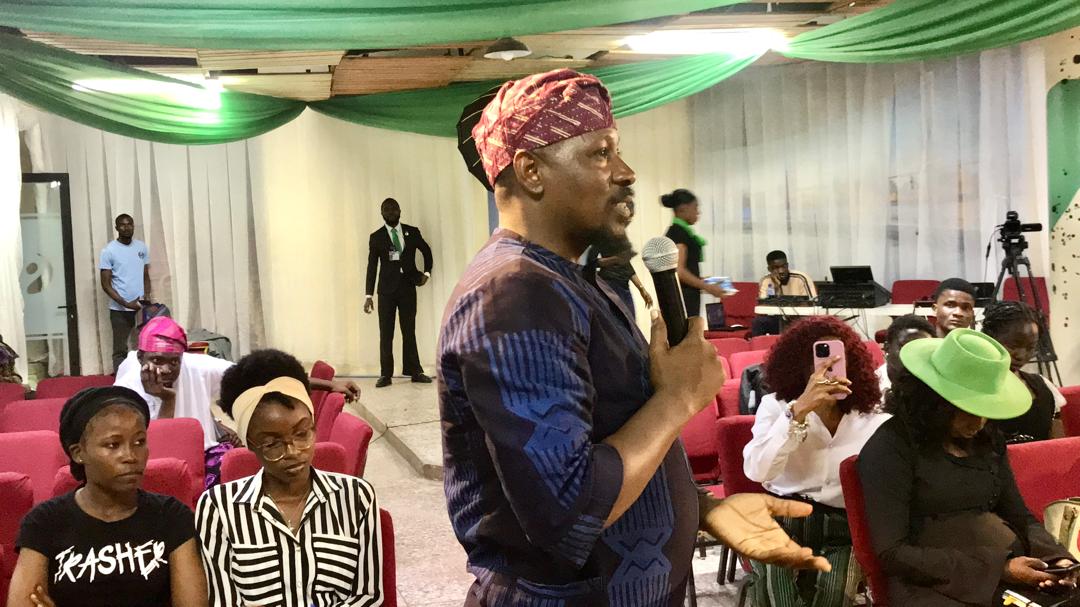 However, Makinde expressed disappointment that, despite the resources committed to the research and the efforts made to communicate its findings, the team did not see the desired level of action or implementation.
He used the experience to challenge young Nigerians to move beyond social media criticism and participate actively in identifying and solving the country’s problems.
What Official Investigations Revealed About the Mokwa Flood
The Mokwa disaster, which struck Niger State on May 29, 2025, remains one of Nigeria’s most devastating recent flooding incidents.
The National Emergency Management Agency (NEMA) reported that 151 bodies had been recovered by May 31, 2025, while 503 households and 264 houses were affected and 3,018 people displaced.
The cause of the disaster also generated considerable public debate. In June 2025, the Federal Government attributed the flooding primarily to torrential rainfall, climate-related weather conditions and the obstruction of a seasonal tributary of the River Dingi through unregulated construction activities. It dismissed suggestions that the Kainji or Jebba dams had failed or released water responsible for the disaster.
Separately, in July 2025, the Managing Director of the Nigeria Incentive-Based Risk Sharing System for Agricultural Lending (NIRSAL), Aliyu Abdulhameed, reportedly attributed the disaster largely to a railway embankment, highlighting infrastructure-related concerns that also featured in Makinde’s account.
These different explanations underscore the importance of transparent technical investigations, independent assessments and the publication of evidence-based findings.
Importantly, the government’s emergency response should be distinguished from the longer-term question of disaster prevention. NEMA documented search-and-rescue operations, relief distribution, temporary shelter and other humanitarian interventions.
The Niger State Government also conducted a review assessment of the disaster in June 2025. Governor Mohammed Bago reportedly approved ₦1 billion for relief efforts, directed the relocation of displaced residents into rented accommodation and announced plans involving new housing and drainage infrastructure.
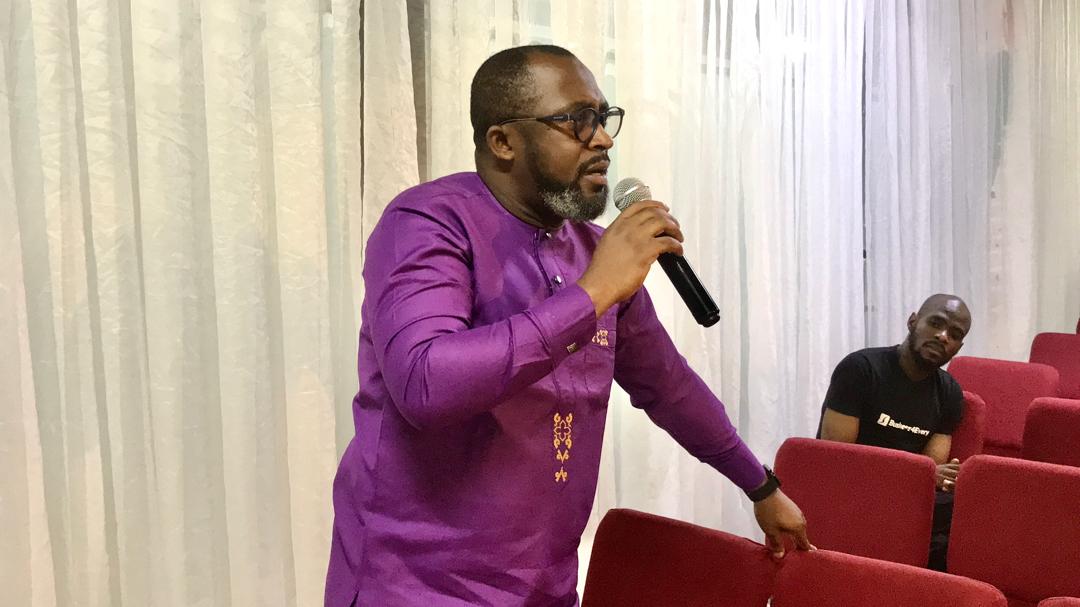 Nevertheless, Makinde’s central concern raises an important public-interest question: beyond emergency relief and post-disaster assessments, how effectively were technical recommendations translated into lasting infrastructure improvements and preventive measures?
The Average Nigerian Is Patriotic, But Patriotism Must Go Beyond Words’
Addressing whether the average Nigerian is patriotic, Makinde expressed optimism that many citizens genuinely love their country, although he acknowledged that patriotism is often misunderstood.
He argued that patriotism should not be measured solely by public displays of nationalism, but by the willingness of citizens to contribute positively to society and hold themselves accountable.
Referencing the public following of social commentators such as VeryDarkMan, he suggested that citizens’ willingness to defend issues they consider important could reflect a desire for accountability and a better society.
However, he maintained that genuine patriotism must be accompanied by personal discipline, honesty and the courage to stand for the truth.
According to him, Nigerians must demonstrate integrity in their individual conduct and professional activities, irrespective of whether they are being monitored.
DASCENARIO reports that he also called for citizens to engage constructively with government institutions, identify shortcomings and contribute practical solutions rather than limiting their participation to criticism.
Makinde Urges Nigerian Youths to Turn Intelligence Into Innovation
Beyond the Mokwa investigation, Makinde used the summit to encourage young Nigerians to recognise their potential and redirect their abilities towards productive ventures.
He maintained that Nigerian youths possess the intelligence, creativity and resilience required to compete globally, but stressed that these qualities must be supported by discipline, integrity and a willingness to take action.
He also challenged young people to stop using the absence of financial resources as a permanent excuse for inaction, insisting that personal credibility and a strong record of reliability could open doors to investment and mentorship.
Explaining his personal approach to problem-solving, he said he preferred practical action to making promises, adding that when confronted with obstacles, he would seek alternative ways to accomplish his objectives.
His message was that national development requires citizens who are willing to take responsibility, innovate and contribute meaningfully to their communities.
The FORGE AFRICA Summit Challenges Young Nigerians to Reimagine the Nation
The Imagine Nigeria As An Open Canvas youth summit, organised by The FORGE AFRICA, provided a platform for conversations around Nigerian identity, patriotism, national responsibility and the role of young people in shaping the country’s future.
Held at ERIDAN City, Alausa, Ikeja, Lagos, on October 29, 2026, the event invited participants to consider Nigeria as a country whose future could be shaped through creativity, ideas, innovation and collective responsibility.
Makinde’s contribution brought a practical dimension to the conversations by connecting national development with investigative research, technological innovation, environmental accountability and personal integrity. His presentation reinforced the argument that young Nigerians should not wait for government alone to solve every national challenge but should also deploy their knowledge, expertise and resources to support meaningful change.
At the same time, his account highlighted the responsibility of public institutions to listen to credible citizen-led research, investigate technical recommendations and demonstrate measurable action where appropriate.
Ultimately, the message from his intervention was that patriotism must be demonstrated through responsible conduct, innovation, accountability and a commitment to improving society.
For Makinde, imagining Nigeria as an open canvas must go beyond discussions about what the country could become. It must involve citizens taking practical steps to create the future they desire.