

…Farm Records Over 6,000 Litres of Milk Production Daily
…Says it is the model for modern dairy farming
…Says it is the biggest operational Dairy Farm in the Country
Nigeria’s drive to reduce its dependence on imported dairy products and strengthen domestic milk production is gaining momentum, with Ikun Dairy Farm in Ekiti State emerging as a promising example of what sustained private-sector investment and public-sector collaboration can achieve.
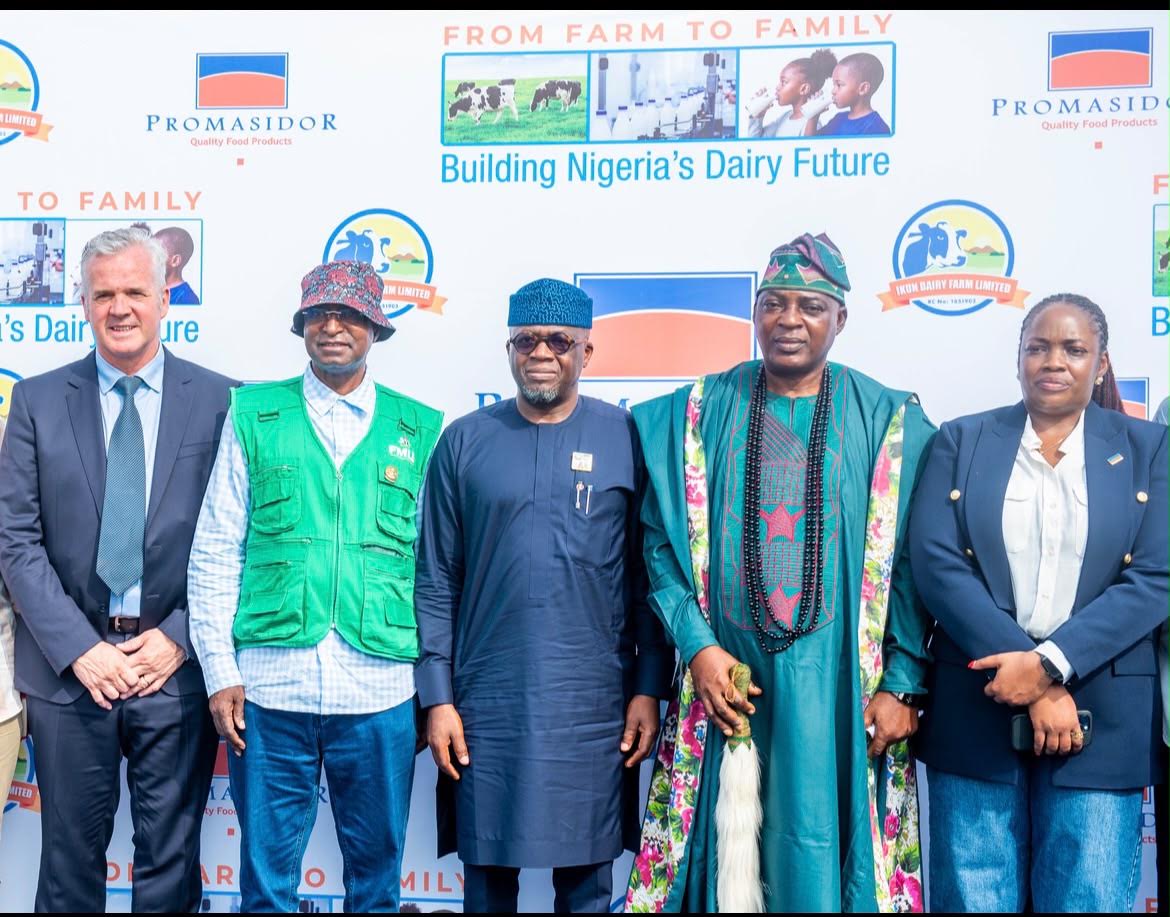
This was reinforced on Wednesday, November 4, when the Minister of Livestock Development, Idi Mukhtar Maiha, visited the farm, commending its contributions to local milk production, cattle breeding and the development of Nigeria’s livestock sector.
During the visit, the Minister highlighted the scale of Nigeria’s dairy import dependence, noting that the country spends approximately US$1.5 billion annually on imported dairy products. He stressed the importance of supporting investments that can boost domestic production, create employment opportunities and strengthen national food security.
Located in Ikun-Ekiti, within Moba Local Government Area of Ekiti State, Ikun Dairy Farm is operated by Promasidor Nigeria Limited in partnership with the Ekiti State Government. Originally established in the 1980s, the facility remained underutilised for several years until the partnership, formalised in 2019, ushered in a new phase of investment and development, supported by an initial US$5 million investment from Promasidor.
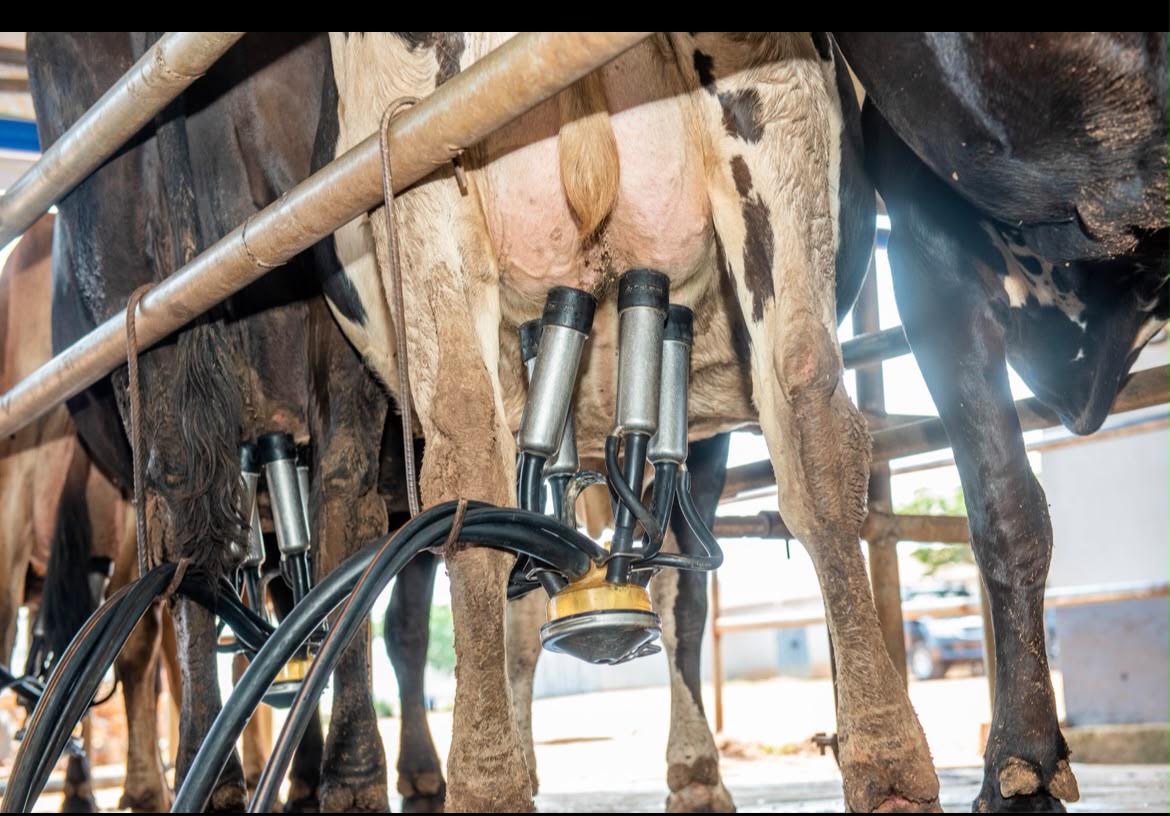
Today, the farm covers more than 530 hectares, accommodates over 700 cattle and produces more than 6,000 litres of fresh milk daily, according to its management.
For Promasidor, the investment represents more than an expansion of its dairy operations. It is part of a broader commitment to strengthening the local agricultural value chain and building a more sustainable domestic dairy industry.
Established in Nigeria in 1993, Promasidor manufactures and markets a diverse portfolio of food and beverage products, including Cowbell, Loya, Miksi Onga, Top Tea, Twisco and Kremela.
One of Ikun Dairy Farm’s most significant contributions to the sector is its growing capacity for local cattle breeding. Speaking during the visit, Promasidor’s Group Chief Financial Officer and Chairman of the Board of Ikun Dairy Farm Limited, Mr Yomi Adenson, disclosed that the facility had sold more than 160 pregnant heifers to farmers this year, helping to improve access to dairy cattle and strengthen local production capacity.
He explained that the farm encountered considerable challenges in its early years, including the loss of scores of its imported cattle due to difficulties adapting to the Nigerian environment. However, sustained breeding efforts have enabled the development of successive generations of cattle better adapted to local conditions.

Beyond breeding, the farm has invested in producing some of its own feed requirements, including maize and soybean, alongside animal healthcare and improved dairy production practices. Adenson emphasised that expanding these efforts would require stronger collaboration with the Federal Ministry of Livestock Development and the Ekiti State Government to unlock the farm’s full potential and accelerate the development of Nigeria’s dairy value chain.
Commending the facility’s progress, Maiha acknowledged its achievements in cattle breeding, animal health management and milk production. He expressed the Federal Government’s willingness to collaborate with Promasidor and the Ekiti State Government in exploring opportunities to expand the facility and strengthen local dairy production.
Representing the Ekiti State Governor, the Chief of Staff to the Governor, Mr Oyeniyi Adebayo, reinforced the state’s commitment to developing an integrated agricultural value chain, spanning crop production and livestock development. He also highlighted the commissioning of a modern veterinary clinic as part of the state’s efforts to improve animal healthcare, strengthen disease management and enhance productivity across the livestock sector.
Beyond its contribution to agricultural production, the partnership is creating tangible social value within its host community. Through its weekly Ikun Milk Day initiative, Promasidor and Ikun Dairy Farm provide fresh milk to primary school pupils in Ikun weekly while exposing them to modern dairy farming practices through teaching.

The Headmistress of AUD CAC United, Mrs Margaret Owolabi, expressed appreciation for the initiative, noting that it had brought excitement to the pupils while positively impacting the school, its teachers and the wider community.
Promasidor’s Chief Executive Officer, Mr Francois Gillet, described the development of a sustainable dairy industry as a long-term undertaking that demands patience, technical expertise and consistent investment. He noted that building local breeding capacity, developing farmers and adapting livestock to local conditions were processes that required time and sustained commitment.
He further emphasised the importance of collaboration among government, private-sector investors and host communities, stressing that each stakeholder has a critical role to play in building a productive, resilient and sustainable dairy industry.
The economic impact of the investment is also reflected in employment and livelihood opportunities. According to Promasidor, Ikun Dairy Farm directly employs more than 200 people and generates over 1,000 indirect jobs for the host and surrounding communities.
As Nigeria intensifies efforts to reduce its dairy import bill and build a more self-sufficient livestock sector, Ikun Dairy Farm offers valuable lessons in the importance of long-term investment in local cattle breeding, animal healthcare, feed production and farmer development.
However, translating these gains into a broader national transformation will require continued investment in milk processing, cold-chain infrastructure, improved access to quality dairy cattle and stronger support systems for local farmers.
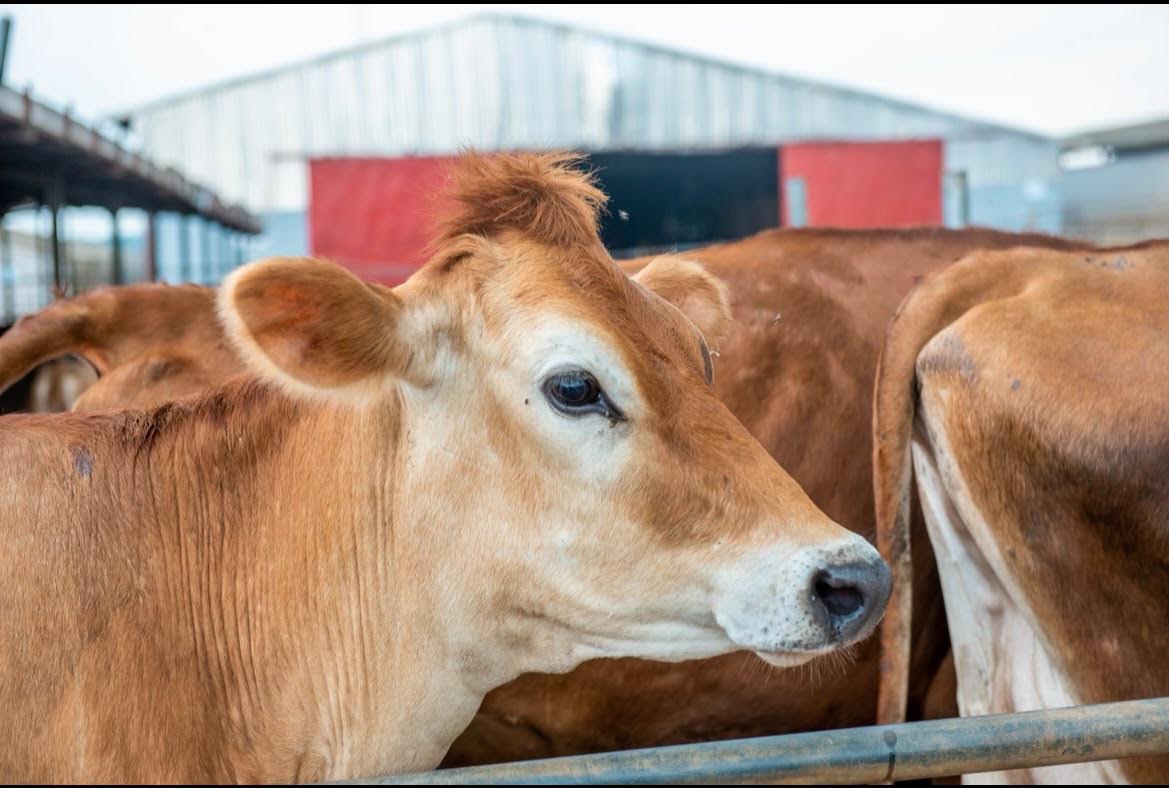
The experience at Ikun demonstrates that while dairy self-sufficiency cannot be achieved overnight, sustained partnerships, strategic investments and a shared commitment to local production can move Nigeria closer to that ambition.