

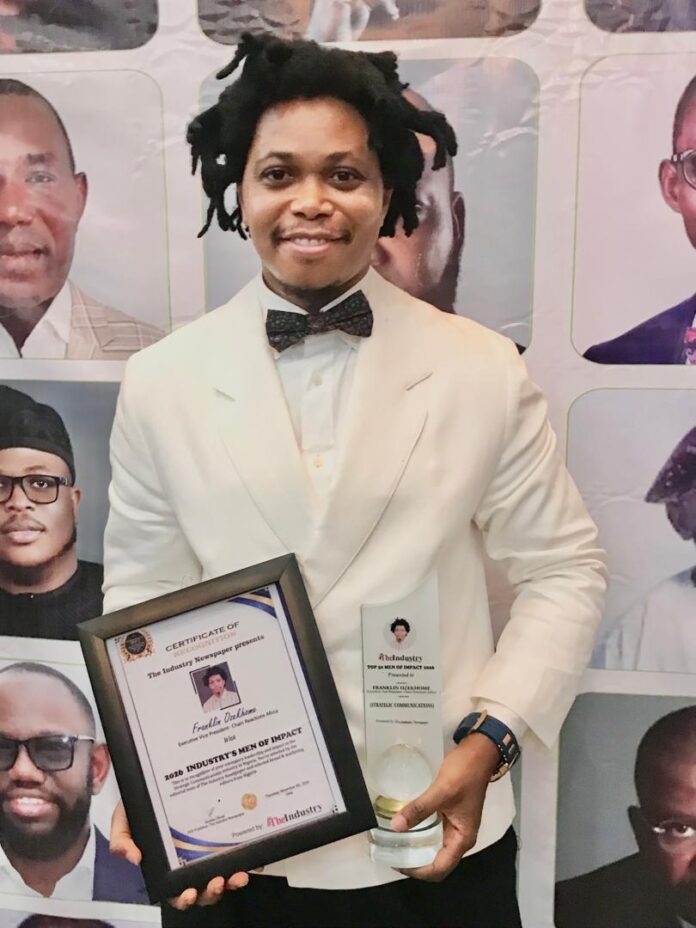

Franklin Ozekhome, Executive Vice President, Strategy and Innovation at Chain Reactions Africa, has challenged corporate leaders to redefine the meaning of impact, insisting that professional success must be matched by personal responsibility, mental wellbeing, mentorship and a commitment to developing the next generation.
Speaking at the Top 50 Men of Impact 2.0 Conference and Awards at Lagos Oriental Hotel, Lekki, the brand strategist explains why influence extends beyond the workplace, calls for greater attention to men’s mental health and shares how he balances executive responsibilities with personal wellbeing.
Franklin Ozekhome Identifies Responsibility as the True Measure of Leadership
Executive Vice President, Strategy and Innovation at Chain Reactions Africa, Franklin Ozekhome, has called on business executives and influential professionals to look beyond career achievements and embrace a broader responsibility to society, particularly in mentoring younger generations and promoting mental wellbeing.
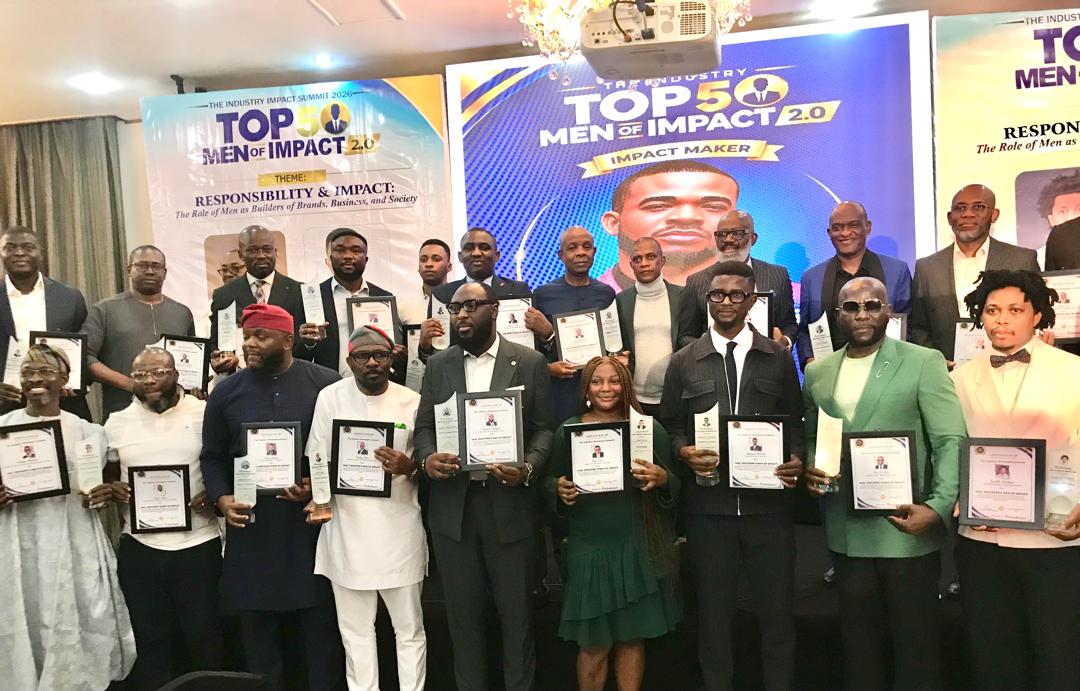
DASCENARIO reports that Ozekhome made the call while speaking during an interview at the Top 50 Men of Impact 2.0 Conference and Awards, held at Lagos Oriental Hotel, Lekki, Lagos, on November 4, 2026.
Reflecting on his participation as a panel member, the advertising and cultural intelligence strategist identified responsibility, personal health and generational impact as three fundamental lessons from the gathering.
According to him, being an expert in one’s professional field is no longer sufficient in a society where people increasingly look up to accomplished individuals for inspiration, guidance and practical lessons on navigating life.
He explained that the influence of successful professionals should not be restricted to business transactions, corporate offices or industry achievements, arguing that leadership must also extend to the personal and social development of people around them.
“Just being an expert in your field is no longer enough,” Ozekhome said, stressing that people expect influential individuals to share ideas and provide inspiration on issues beyond their immediate professional responsibilities.
He added that business success should be accompanied by a willingness to contribute to the broader human experience, noting that influence and responsibility extend beyond the four walls of an office.
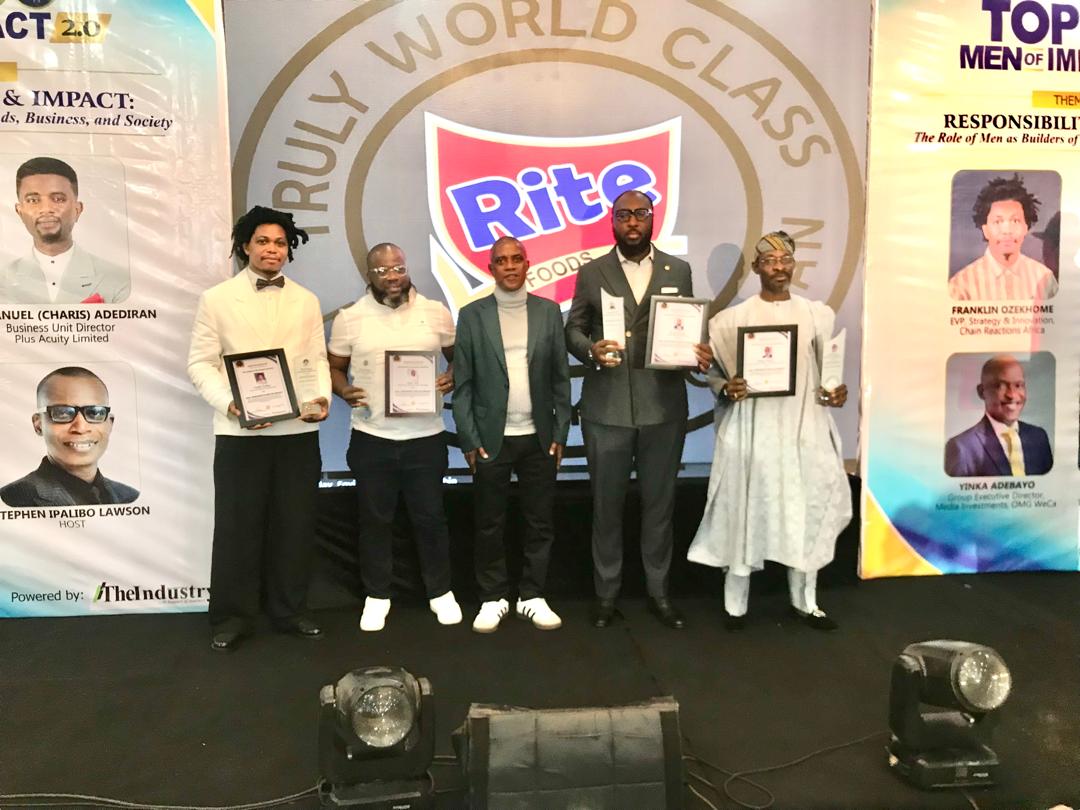 For Ozekhome, this broader understanding of leadership represents an important standard for determining whether an individual truly deserves recognition as a person of impact.
Men’s Mental Health: Ozekhome Calls for Greater Openness and Workplace Support
Beyond professional responsibility and mentorship, Ozekhome identified men’s mental health as an important subject that deserved greater attention at leadership gatherings.
He observed that societal expectations often place considerable pressure on men to demonstrate strength, provide for their families, achieve professional milestones and meet expectations imposed by their communities.
According to him, these pressures sometimes prevent men from openly discussing their struggles, disappointments and emotional challenges.
He explained that men often conceal their difficulties because they fear being perceived as failures when they do not achieve certain objectives, meet family expectations or attain milestones society considers important.
Ozekhome noted that some men consequently become their own mentors and emotional support systems, presenting a confident and happy appearance in public while privately dealing with unresolved challenges.
He said this culture of silence could have serious consequences, particularly when people working under intense professional and personal pressure have no safe environment in which to discuss their difficulties.
He therefore advocated making mental health a more prominent part of conversations about leadership, especially within organisations and professional communities.
“Our mental is something you guide jealously,” he said, emphasising the importance of protecting one’s mental wellbeing rather than allowing societal expectations to dictate how individuals manage their emotional lives.
Work-Life Balance: Chain Reactions EVP Reveals His Personal Approach
Sharing how he manages the demands of executive leadership, Ozekhome disclosed that he deliberately creates boundaries between his professional responsibilities and personal life.
He explained that the advertising and marketing communications industry can be particularly demanding, with professionals frequently moving between digital communications, public relations, strategy, client meetings and other assignments.
To prevent burnout, he said he deliberately disconnects from work during designated periods, particularly at weekends.
Ozekhome disclosed that he sometimes switches off from professional conversations for between 24 and 48 hours, using the time to recharge, pursue personal interests and find fresh inspiration.
His personal wellness routine includes swimming, running, reading and seeking inspiration from different areas of life.
He argued that professionals must understand that their capacity to contribute meaningfully depends partly on how well they take care of themselves.
According to him, constantly pushing oneself without adequate rest can eventually result in exhaustion, reduced productivity and health complications.
He maintained that taking deliberate breaks is preferable to allowing preventable burnout to develop into a situation requiring extended medical attention.
 Leaders Must Recognise When Their Employees Need a Break
Ozekhome also extended the conversation beyond individual wellness to the responsibility of organisational leaders towards their employees.
He said effective leadership requires developing the ability to recognise when colleagues and junior members of staff are struggling, even when they have not formally requested assistance.
He explained that he pays attention to the wellbeing of younger colleagues and is willing to recommend time off when he notices signs of exhaustion.
He described this as an important aspect of leadership, arguing that organisations should not wait until employees experience serious difficulties before offering support.
He also encouraged senior professionals to share useful books, music, knowledge and other sources of inspiration with younger colleagues.
In his view, leaders should create workplaces where employees can grow professionally while also receiving the encouragement and support required to maintain their personal wellbeing.
‘Who Are You Building?’ Ozekhome Challenges Successful Men on Mentorship
Another major takeaway from Ozekhome’s participation at the conference was his insistence that recognition and professional accomplishments should be measured alongside the number of people an individual has positively influenced.
He argued that conversations about men of impact would remain incomplete if they failed to address the next generation.
According to him, the real significance of professional success lies partly in what accomplished individuals do to prepare others for future responsibilities.
He challenged recognised leaders to consider how many people they have mentored, inspired or helped develop, stressing that impact should be visible in the lives and achievements of others.
He questioned whether influential individuals were contributing meaningfully to their workplaces, communities and the country, rather than simply accumulating personal accolades.
For Ozekhome, mentorship should not be treated as an optional activity reserved for retirement or moments of public recognition.
Rather, it should be an ongoing responsibility that accompanies leadership and professional advancement.
His position reinforces the importance of succession planning, knowledge transfer and creating opportunities for younger professionals to develop the confidence and competence required to assume leadership positions.
 Personal Branding: Ozekhome Says Looking Good Must Be Matched With Intellectual Substance
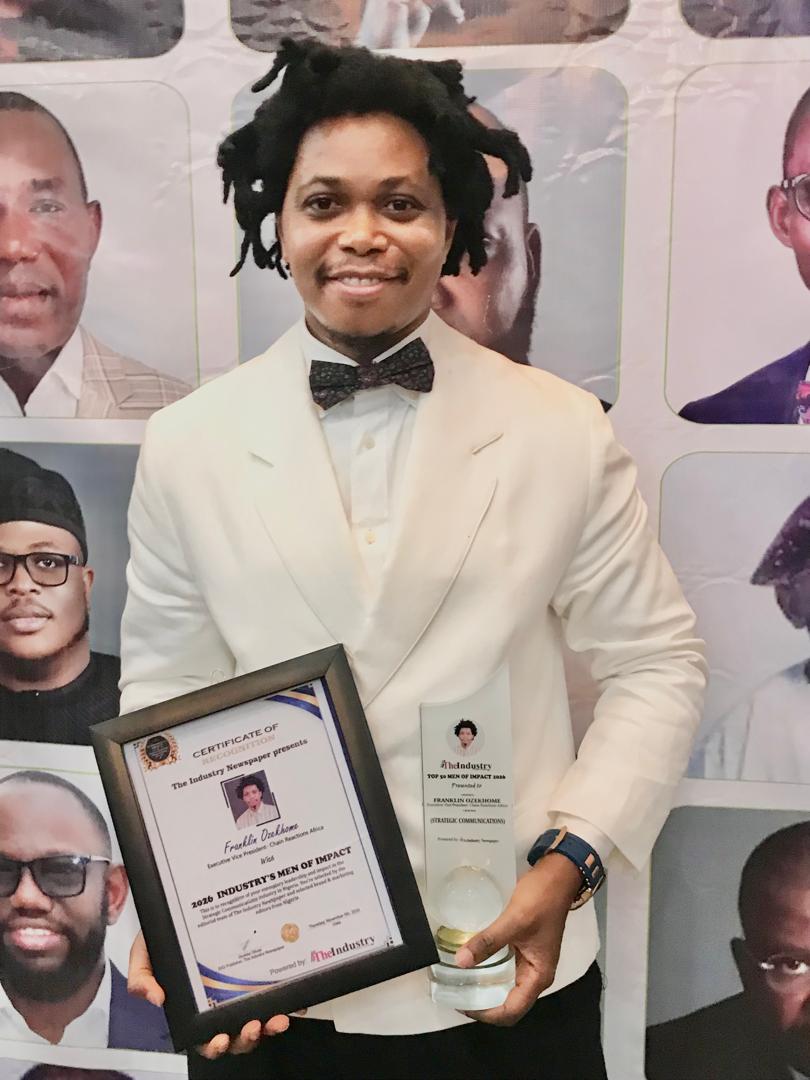
Addressing questions about his personal style and how he navigates the expectations associated with senior corporate leadership, Ozekhome explained that personal presentation is an important part of professional identity but must be supported by knowledge, competence and intellectual depth.
He said his approach to personal branding is influenced by his exposure to the creative industry, fashion, music and the arts, which provide continuous sources of inspiration.
According to him, professionals who regularly engage with chief executives, bank managing directors and other senior decision-makers must understand the importance of presenting themselves appropriately.
However, he cautioned that appearance alone cannot sustain professional respect.
“You can’t just look good. You also have to talk good,” he said, explaining that people must be able to recognise the substance behind an individual’s appearance and presentation.
He attributed his ability to contribute meaningfully in professional spaces to continuous learning and reading, noting that he regularly draws from a broad range of experiences and knowledge when advising brands and guiding creative professionals.
Ozekhome maintained that his work involves helping brands anticipate the future, understand consumers and develop strategies that remain relevant in changing markets.
He therefore sees personal style as complementary to intellectual development, insisting that the mind must be continually nourished if an individual intends to sustain influence and professional credibility.
From Cultural Intelligence to Corporate Leadership: Who Is Franklin Ozekhome?

Ozekhome’s contributions at the conference reflect a professional career built around strategy, creativity, cultural intelligence and business transformation.
In September 2025, Chain Reactions Africa announced his appointment as Executive Vice President, Strategy and Innovation, as the company pursued a digital transformation strategy designed to integrate creativity, public relations, advertising, technology, data and artificial intelligence.
His professional experience spans international advertising and marketing communications networks, including mediaReach OMD, McCann Erickson, Insight Publicis, Leo Burnett and Digitas, where he worked on strategy and innovation for brands such as PepsiCo, MTN, Samsung, Visa, Nestlé, Coca-Cola, British Airways and Jaguar Land Rover.
He is also the creator of HumanOS, a cultural strategy framework, co-founder of Maskvrade and founder of Pop Culture Varsity, a learning platform focused on cultural intelligence and strategic creativity.
Additionally, he pioneered TINK Africa, a consumer trends and intelligence platform, and previously served as Vice President of Marketing and Communications at Vendease.
His work reflects the growing importance of understanding consumer behaviour, emerging cultural movements and technological developments in shaping business strategies across African markets.
His perspectives at the Top 50 Men of Impact 2.0 gathering therefore extended beyond corporate performance to address the human responsibilities that accompany professional influence.
A New Definition of Impact: Success Must Leave People Better
Ozekhome’s central message at the conference was that professional achievement should not be the only measure of a person’s influence.
He identified three fundamental takeaways from the gathering:
-
Responsibility: Influence must extend beyond professional positions and corporate achievements into society and the lives of others.
-
Personal wellbeing: Health, spirituality and mental awareness are essential to sustaining leadership and productivity.
-
Generational impact: Successful individuals must deliberately mentor, inspire and prepare younger people to take on future responsibilities.
His intervention also raises important questions for corporate organizations about workplace culture, employee wellbeing, leadership development and the need to make mental health a legitimate part of professional conversations.
Ultimately, Ozekhome’s message was that the true value of leadership should not be measured only by the positions individuals occupy, the companies they build or the recognition they receive, but also by the people they inspire and the positive contributions they leave behind.
For a conference celebrating men of impact, his perspective offered a broader understanding of achievement: being successful is important, but helping others become successful is an even greater responsibility.