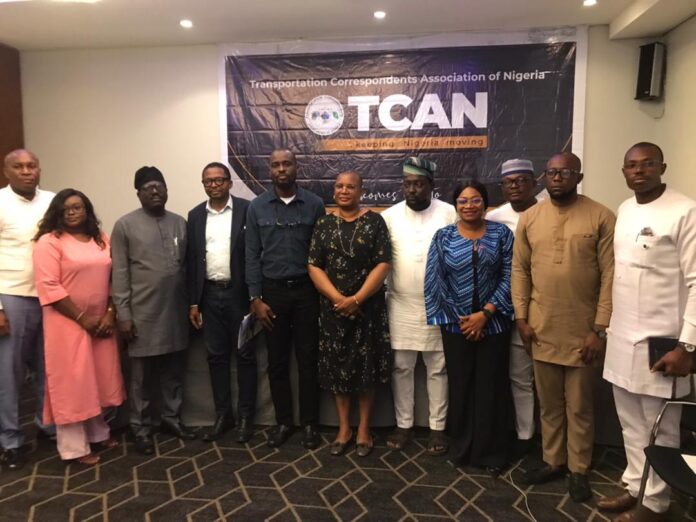
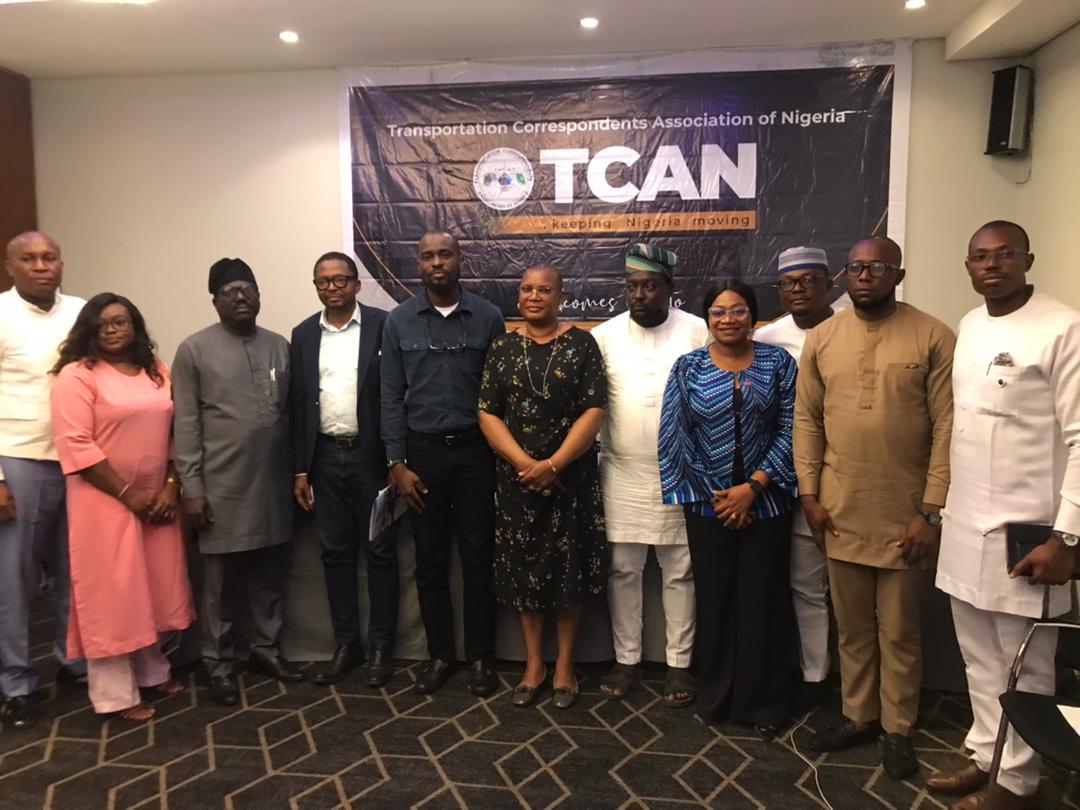
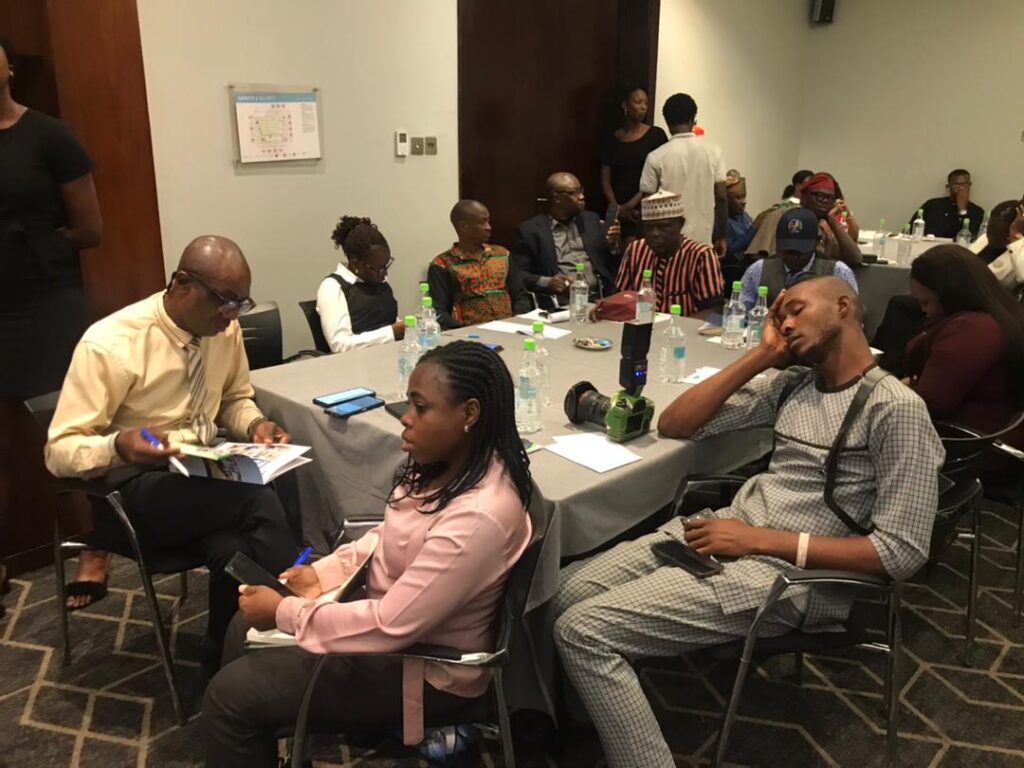
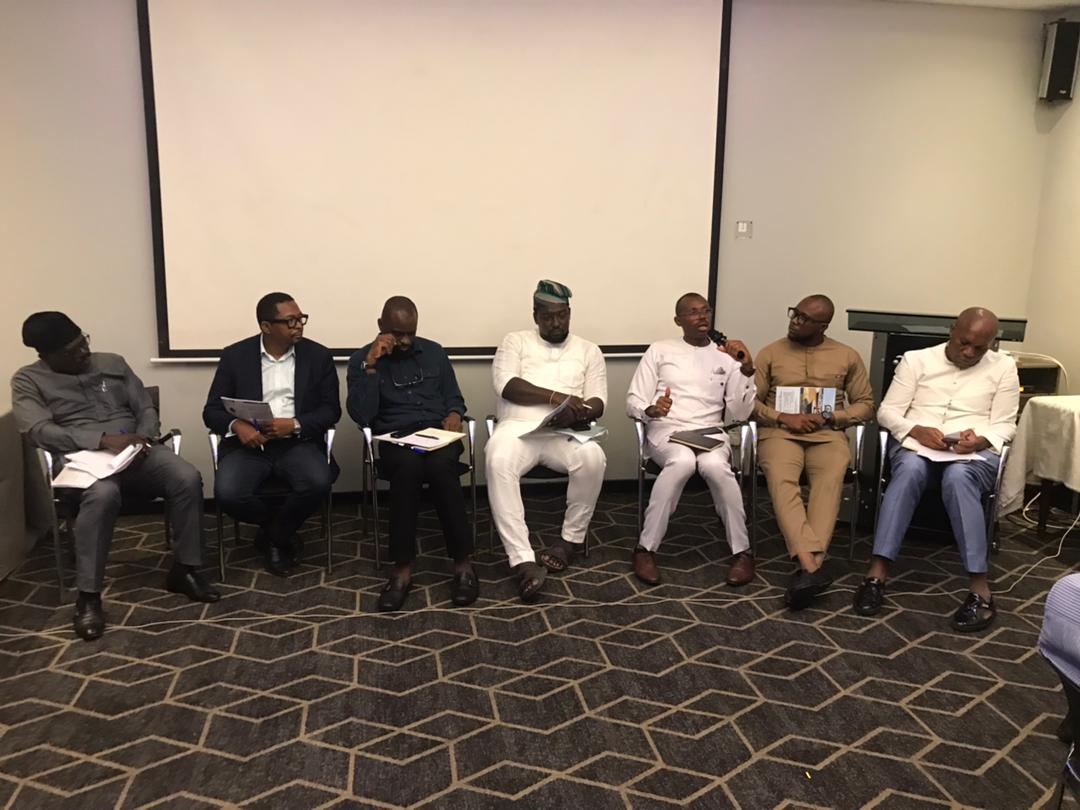
 In a landmark gathering that brought together the nation’s transport elite, the 2025 Nigeria Transport Sector Summit, organized by the Transport Correspondents Association of Nigeria (TCAN), with the overarching theme “Driving the Transport Logistics Value Chains for Economic Growth,”became the stage for a monumental announcement: the Federal Government is set to unleash a comprehensive suite of reforms designed to revolutionize the country’s ailing transportation system.
Against the backdrop of the Radisson Hotel in Ikeja, Lagos, the Managing Director of the Nigeria Railways Corporation (NRC), Mr. Kayode Opefia, delivering a message on behalf of the Honourable Minister of Transportation, Senator Sa’idu Ahmed Alkali, resonated with a clear and critical vision.

 He declared an urgent need to modernize rail infrastructure, deepen intermodal connections, and drastically reduce the crippling logistics costs that have long stifled trade and hamstrung economic growth, framing the President Bola Ahmed Tinubu (PBAT) administration’s mission as “deliberately rebuilding the backbones of the economy.”
 The blueprint for this renaissance is already in motion, with tangible progress reported on critical rail projects that span the nation’s geography.
The ambitious Lagos-Kano standard gauge line, the rehabilitated narrow gauge corridors, and the Port Harcourt-Maiduguri line—where the Port Harcourt to Aba segment is already operational—are at the forefront of this charge.
 In a testament to renewed momentum, the Kaduna-Kano and Kano-Maradi lines have surged from a sluggish 15 percent completion to over 50 and 60 percent respectively, with tracks from Kano expected to reach Katsina by December 2025 and the entire project slated for completion by March 2027. This steel renaissance is to be complemented on the roads, with the Federal Executive Council’s approval for modern bus terminals in key cities like Abeokuta, Onitsha, Warri, Kano, Lokoja, and Gombe, aimed at taming the chaotic parks and intracity congestion that define urban Nigerian life.
Further solidifying the intermodal approach, the Minister of Marine and Blue Economy, HE Adegboyega Oyetola, represented by Dr. Mrs. Mercy Ilori, emphasized that seamless connectivity is the centerpiece of national logistics reforms.
 Evidence of this strategy is visible in the Lagos-Ibadan standard gauge rail now evacuating containers directly from Apapa Port, the rapid expansion of barge services from Lagos and Onne Ports, and critical infrastructure like the reconstructed Apapa-Oshodi Expressway and the 27-kilometer Lekki Port Access Road.
The unveiling of a new National Land Transport Policy, after decades of void, and a focused policy on the Marine and Blue Economy are designed to create a framework that attracts private capital and aligns Nigeria with global standards of smart, green transport.
While the federal government outlined its macro-level plans, the Lagos State government, represented by the Director of Public Affairs, Mrs. Bolanle Ogunlola, detailed its own micro-level initiatives.
 The ongoing improvement of the BRT system, the operational Blue and Red Line rails, and the promotion of non-motorized transport—including organized “car-free days” to encourage walking and planned corridors for bicycles—paint a picture of a multi-layered approach to decongesting the nation’s commercial nerve center.
However, a sobering cautionary note was struck by TCAN Chairman, Mr. Tola Adenubi, who warned that the sector remains dangerously unbalanced, with an over-reliance on road haulage leading to highway disrepair and daily perils like falling containers and persistent boat accidents.
 The human element of this complex ecosystem was powerfully voiced by panelist Pessu Temisanten, a technical member of SMATO, who appealed for respect and support for the nation’s truck drivers. He highlighted their immense sacrifices, often staying away from home for days, and outlined critical challenges including a severe lack of parking spaces in critical areas like Apapa, exorbitant costs of vehicle replacement (over ₦100 million per truck), and a glaring absence of financial support from banks and the government.
His plea for dignity and practical assistance underscored that technological and infrastructural advancement must go hand-in-hand with improving the welfare of the people who keep the wheels of commerce turning.
This sentiment was echoed by other stakeholders, including the Regional CNG Expansion Coordinator, Ogonna Onyemlukwe, who showcased significant progress in the transition to cleaner fuel, with over 10,000 vehicles already converted to Compressed Natural Gas (CNG).