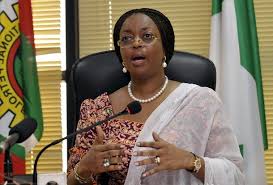
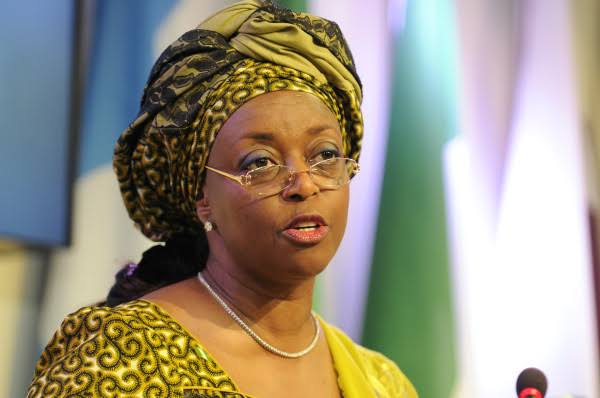
 In a significant development reflecting the global commitment to combating corruption, the United States of America has repatriated $52.88 million linked to Diezani Alison-Madueke, Nigeria’s former Minister of Petroleum Resources. The funds, traced to the forfeiture of Galactica assets associated with Alison-Madueke and her associates, were formally returned to Nigeria during a high-profile ceremony at the Federal Ministry of Justice Headquarters in Abuja on Friday.
The U.S. Ambassador to Nigeria, Richard M. Mills, Jr., led a delegation that executed the Asset Return Agreement alongside top Nigerian officials. Signing on behalf of the Federal Government, the Attorney-General of the Federation and Minister of Justice, Prince Lateef Fagbemi, SAN, hailed the development as a testament to the collaborative efforts of both nations in the fight against corruption.
Prince Fagbemi stressed that the repatriation was more than a financial transaction—it symbolized a mutual commitment to fostering integrity, accountability, and good governance. He highlighted that the funds would be transparently managed through a robust framework involving the World Bank and the International Institute for Justice (IIJ). This mechanism ensures periodic reporting to both Nigeria and the U.S., guaranteeing that the funds are used exclusively for development projects benefiting the Nigerian populace, in line with the principles of the United Nations Convention Against Corruption (UNCAC) and the Global Forum on Asset Recovery (GFAR).
Impact of the Crime and its Demographics
The recovery of the $52.88 million highlights the profound consequences of financial crimes on Nigeria’s socio-economic fabric. As a former high-ranking official, Diezani Alison-Madueke’s alleged misconduct underscores the devastating impact of corruption at the highest levels of government. The misappropriation of public funds deprives citizens of essential services, infrastructure, and development opportunities, perpetuating poverty and inequality.
This case also draws attention to the global nature of corruption, as stolen assets are often laundered through international financial systems. The return of these funds demonstrates the critical role of international cooperation in addressing such crimes and holding perpetrators accountable.
For Nigeria, a nation with diverse socio-economic challenges, the recovered funds offer an opportunity to address pressing developmental needs. However, public trust hinges on the transparent and judicious utilization of these resources. The involvement of international organizations like the World Bank provides an added layer of accountability, ensuring that the funds reach the intended beneficiaries.
This landmark collaboration between Nigeria and the U.S. not only strengthens bilateral relations but also sets a precedent for future recoveries of stolen assets. It sends a strong message that corruption, regardless of where it occurs, will not go unpunished, and illicit wealth will be returned to its rightful owners—the people.