

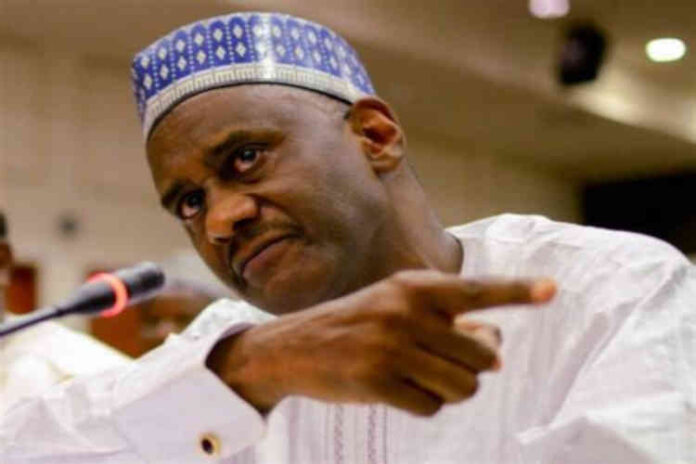
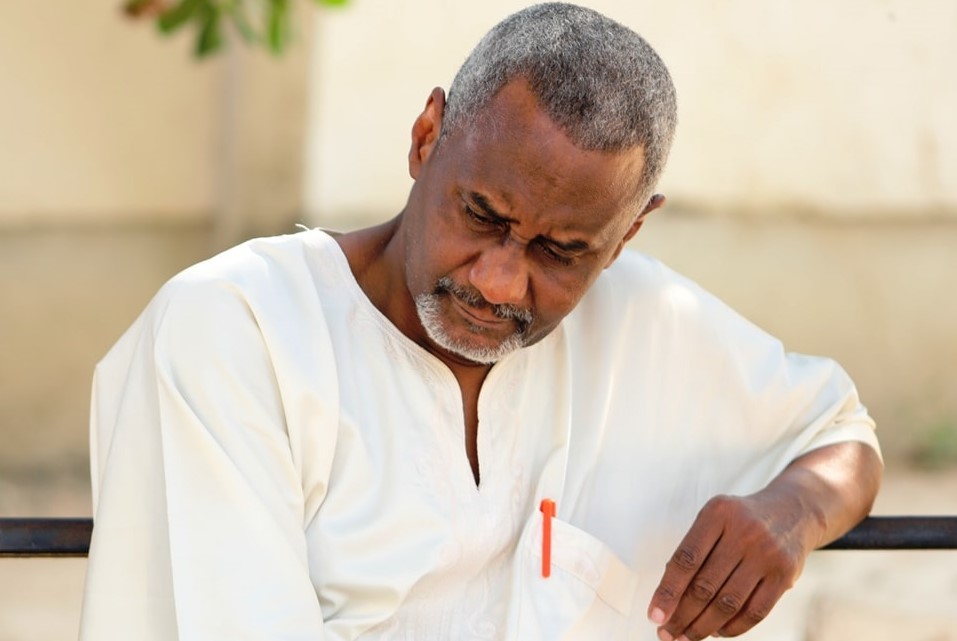
 On January 30, 2025, the Economic and Financial Crimes Commission (EFCC) arrested Professor Usman Yusuf, the former Executive Secretary of the National Health Insurance Scheme (NHIS). This arrest followed a raid on his residence by EFCC operatives. Yusuf is scheduled to be arraigned today, January 31, 2025.
The arrest stems from a petition submitted during former President Muhammadu Buhari’s administration, accusing Yusuf of various misconducts, including misappropriation of funds, procurement violations, nepotism, financial irregularities, favoritism, unauthorized expenditures, inflated contracts, and fraudulent deals.
In 2019, following a fact-finding panel’s recommendation, President Buhari dismissed Yusuf from his position due to alleged mismanagement of N919 million. The EFCC’s Head of Media and Publicity, Dele Oyewale, confirmed Yusuf’s arrest to news outlets on Wednesday.
Professor Usman Yusuf, a Nigerian professor of haematology-oncology and bone marrow transplantation, was appointed as the Executive Secretary of NHIS in August 2016 by President Buhari. His tenure was marred by controversies, leading to multiple suspensions and investigations. In 2017, he was suspended by the Minister of Health, Isaac Adewole, over allegations of gross misconduct. A panel found him culpable of mismanaging NHIS funds totaling N919 million and recommended an EFCC probe. Despite these allegations, Yusuf was reinstated in February 2018, a move that sparked widespread criticism and protests from various stakeholders.
In August 2024, the Buhari Media Organization (BMO) called on the Federal Government to place Yusuf under the EFCC’s radar, citing his indictment for breaching provisions of the Public Procurement Act and other financial infractions during his tenure at NHIS.
The recent arrest underscores the ongoing efforts by the EFCC to address corruption within public institutions. As the legal proceedings unfold, the public anticipates a thorough examination of the allegations against Professor Yusuf and the broader implications for accountability in Nigeria’s public sector.
This development has garnered significant attention on social media platforms, with many Nigerians expressing their views on the arrest and the broader fight against corruption. The case serves as a reminder of the importance of transparency and accountability in public office.