
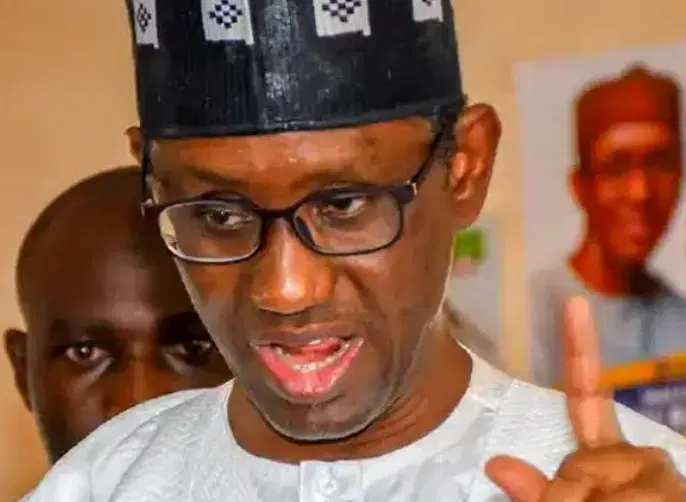
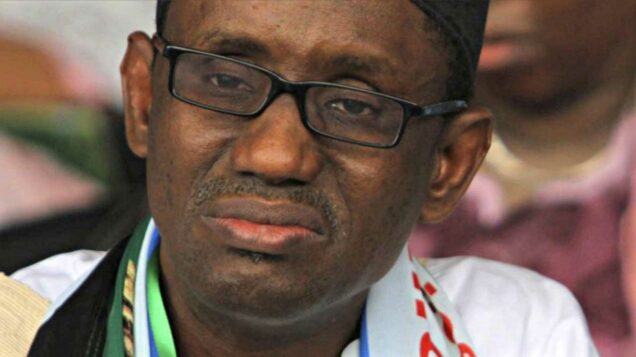
 In a recent development, Nigeria’s National Security Adviser (NSA), Mallam Nuhu Ribadu, has issued a formal demand for a public apology and retraction from Hajia Naja’atu Muhammad, a prominent political figure and leader of Northern Star. This action stems from a TikTok video in which Muhammad allegedly made defamatory statements about Ribadu’s past remarks concerning President Bola Ahmed Tinubu.
According to reports from Daily Trust, the contentious TikTok video features Muhammad asserting that during Ribadu’s tenure as Chairman of the Economic and Financial Crimes Commission (EFCC), he labeled President Tinubu, along with Senators George Akume and Orji Uzor Kalu, as the most corrupt governors in Nigeria. She further criticized Ribadu’s current role in President Tinubu’s administration, suggesting a contradiction in his stance.
In response, Ribadu, through his legal counsel, Dr. Ahmed Raji (SAN), has refuted these claims, stating unequivocally that he has never expressed such views about President Tinubu or the mentioned senators. The NSA emphasized that the allegations are baseless and have caused significant damage to his reputation.
The formal letter addressed to Muhammad, as reported by The Guardian, reads in part: “Privately or publicly, our client has never expressed the above viewpoint about President Tinubu and/or Senators George Akume and Orji Uzor Kalu, which you attributed to him.” The letter further demands that Muhammad provide evidence supporting her claims and highlights the unquantifiable damage caused by the widespread dissemination of the video.
Ribadu has stipulated a seven-day period for Muhammad to issue an unreserved public apology and retract her statements in at least five national daily newspapers. Failure to comply will result in legal action, where Ribadu intends to seek exemplary damages for the harm inflicted on his character.
This incident has garnered significant attention across various social media platforms, with users expressing diverse opinions on the matter. Some have called for restraint and thorough investigation, while others debate the implications of such public disputes between high-profile figures.
As the situation unfolds, it underscores the broader issues of accountability and the responsible use of social media in public discourse. The outcome of this demand may set a precedent for how defamatory content is addressed in Nigeria’s digital age.