
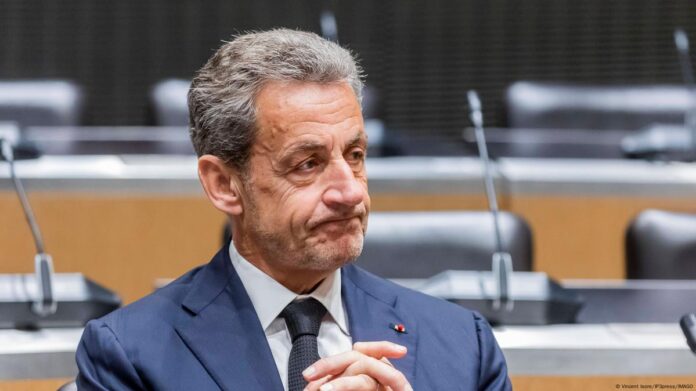
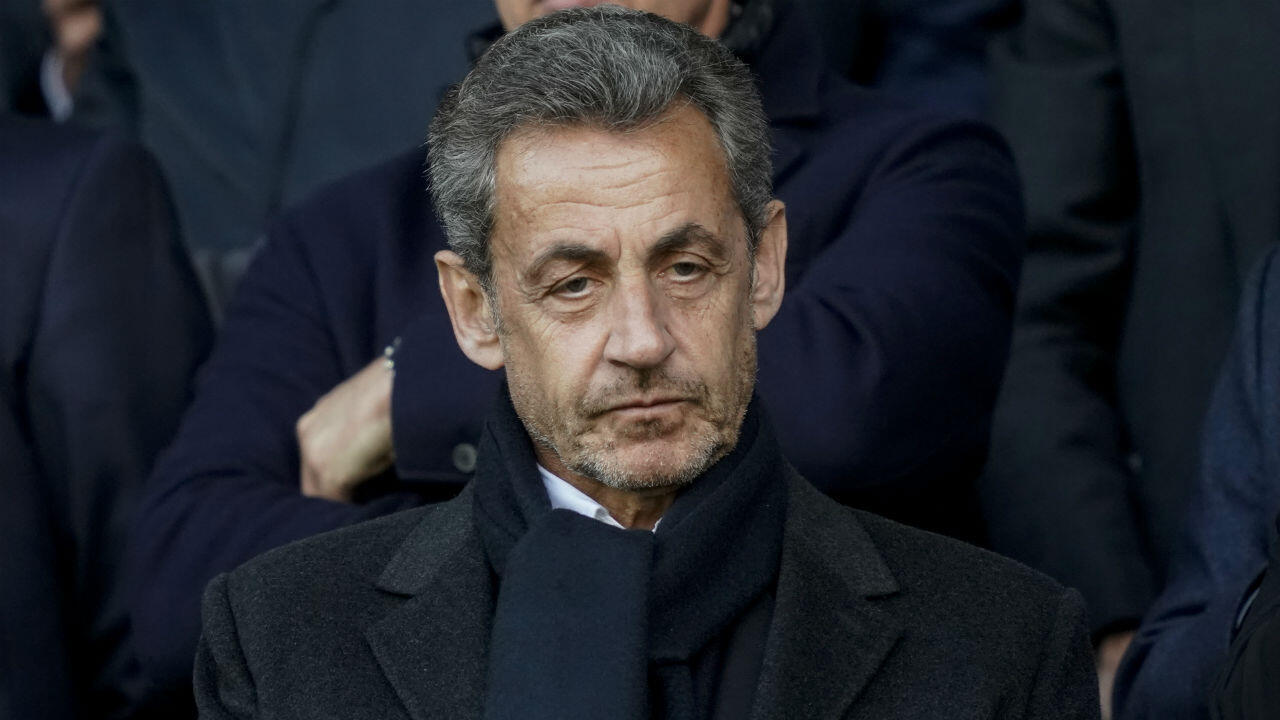
 In a historic ruling, France’s Court of Cassation, the nation’s highest appeals court, upheld a corruption and influence-peddling conviction against former president Nicolas Sarkozy on Wednesday. The decision mandates that the 69-year-old ex-leader wear an electronic monitoring device for one year, marking an unprecedented moment in French history as no former head of state has faced such a penalty.
The case stems from a 2021 judgment in which Sarkozy was found guilty of attempting to illegally secure favors from a judge. Specifically, the court ruled that Sarkozy and his former lawyer, Thierry Herzog, formed a “corruption pact” with Judge Gilbert Azibert to exchange confidential legal information about an investigation involving Sarkozy in return for a promised job in Monaco. The initial ruling handed him a three-year sentence—two years suspended and one year to be served under home detention with electronic monitoring.
Although Sarkozy has consistently denied the allegations, Wednesday’s ruling leaves him with no further legal recourse within France. His lawyer, Patrice Spinosi, confirmed that Sarkozy would comply with the terms of the conviction but announced plans to appeal the case to the European Court of Human Rights (ECHR) within weeks.
“This is a sad day,” Spinosi said in a statement to AFP. “A former president is compelled to turn to European judges to contest a conviction handed down by a state he once led.”
The upheld conviction is part of a larger web of legal challenges that have dogged Sarkozy since leaving office in 2012. Dubbed the “Bismuth” case, the current conviction represents only one aspect of his legal troubles. Sarkozy is also facing separate charges related to illegal campaign financing during his 2012 re-election bid and allegations of illicit Libyan funding for his victorious 2007 campaign.
Despite his mounting legal challenges, Sarkozy remains a polarizing yet influential figure on the French political right. Known for his charisma and sharp rhetoric, he continues to wield considerable sway within his Republican Party and reportedly maintains a cordial, albeit strategic, relationship with President Emmanuel Macron.
Sarkozy’s legal woes mark a striking fall from grace for a politician once celebrated as a reformer and dynamic leader. His five-year presidency, from 2007 to 2012, was characterized by sweeping economic reforms and a high-profile international presence. However, his post-presidency years have been overshadowed by courtroom appearances and scandals.
In response to Wednesday’s ruling, French political analysts have debated the implications for Sarkozy’s legacy. While some view his conviction as a testament to the strength of the French judiciary, others argue it represents a broader crisis of political accountability among the nation’s elite.
Sarkozy’s planned appeal to the ECHR, based in Strasbourg, will challenge the fairness of his trial and conviction. However, legal experts note that this move will not delay the enforcement of his sentence. The European court’s decisions often take years, leaving Sarkozy to endure the immediate consequences of the Court of Cassation’s ruling.
As Sarkozy transitions into home confinement, questions linger about the broader political impact of his legal saga. Will his influence on the French right endure, or will his conviction mark the final chapter of a turbulent career? For now, France watches closely as one of its most prominent political figures navigates a deeply consequential moment in both personal and national history.