
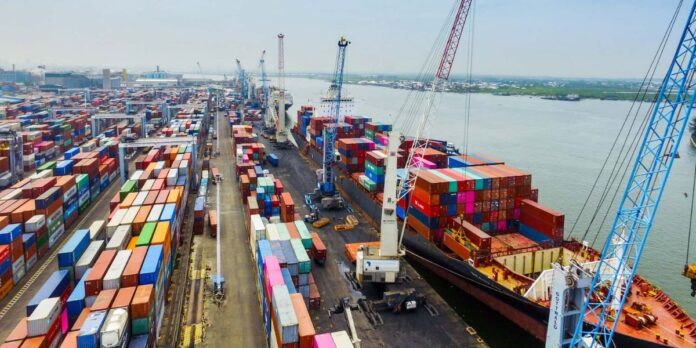
 The Nigeria Customs Service (NCS) has announced the implementation of a 4% charge on the Free On-Board (FOB) value of imports, as stipulated in Section 18(1) of the Nigeria Customs Service Act (NCSA) 2023. This charge is calculated based on the value of imported goods, including the cost of goods and transportation expenses up to the port of loading. The NCS emphasizes that this measure is essential for enhancing the agency’s operational efficiency.
However, this decision has raised concerns among importers and businesses already grappling with high operating costs. The additional 4% FOB charge is expected to increase the overall cost of importing goods into Nigeria, a burden likely to be passed on to consumers. For instance, for a car valued at ₦30 million, a 4% increase in FOB would add an extra ₦1.2 million, subsequently raising the payable import duties, which range from 5% to 35% depending on the vehicle type and engine capacity.
Stakeholders have also expressed concerns regarding the continued collection of the 1% Comprehensive Import Supervision Scheme (CISS) fee alongside the new 4% FOB charge. The CISS fee was originally introduced to fund Nigeria’s Destination Inspection Scheme. In response, the NCS has assured the public that extensive consultations are ongoing with the Federal Ministry of Finance to address these issues.
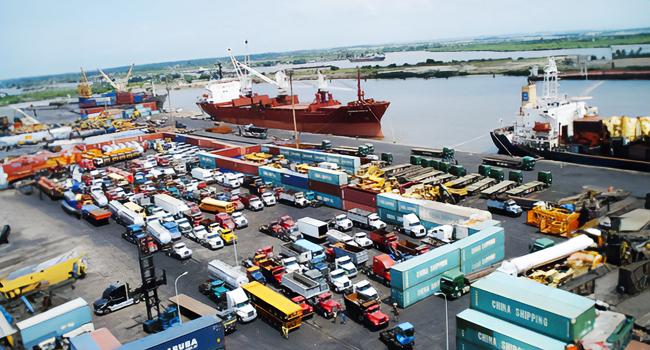 The NCS acknowledges the invaluable contributions of stakeholders in shaping and actualizing the NCSA 2023. Their insights and expertise have been instrumental in establishing a robust legal framework aimed at enhancing efficiency, promoting innovation, and strengthening transparency in customs operations. Under the leadership of Comptroller-General Adewale Adeniyi, the NCS remains committed to transparency, fair trade practices, and efficient revenue management.
As the NCS moves forward with the implementation of the 4% FOB charge, it urges all stakeholders to comply with this legally binding initiative, which reflects a balanced approach born out of extensive consultations with industry players, importers, and regulatory bodies. The service reiterates its dedication to addressing stakeholder concerns and ensuring that the new measures align with the overarching goals of efficiency and transparency in Nigeria’s customs operations.