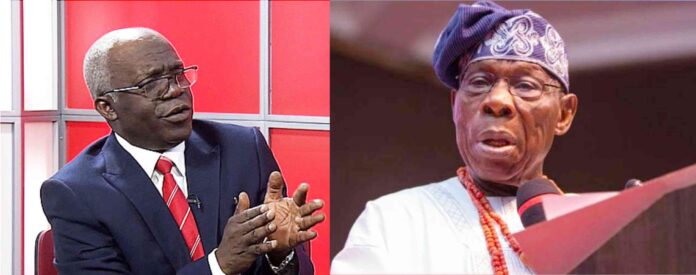
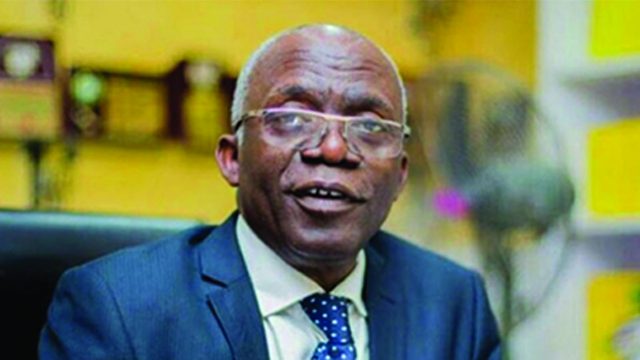
 The Alliance on Surviving Covid-19 and Beyond (ASCAB) has reignited discussions around the contentious sale of Nigeria’s key oil refineries during former President Olusegun Obasanjo’s administration. In a detailed statement on Friday, ASCAB Chair, Femi Falana, revealed that Obasanjo had sold a 51% stake in the Port Harcourt Refinery to Bluestar Oil for $561 million in May 2007, just days before leaving office.
The Bluestar Oil Deal
Bluestar Oil, according to Falana, was a consortium comprising Dangote Oil, Zenon Oil, and Transcorp. This consortium also acquired a 51% stake in the Kaduna Refinery for $160 million on May 28, 2007. However, these transactions drew widespread criticism over their legal and ethical propriety, given the timing and perceived conflicts of interest.
Falana highlighted that Obasanjo personally spearheaded the privatization process, sidelining then-Vice President Atiku Abubakar, who, under the Privatisation and Commercialisation Act, chaired the National Council on Privatisation (NCP).
“Many interest groups questioned the legal validity and moral propriety of the sales as they were consummated in the last days of the Obasanjo administration,” Falana stated, pointing to allegations of conflict of interest, including Obasanjo’s significant shares in Transcorp via a blind trust.
Labor Union Backlash and Strikes
The privatization faced fierce opposition from the National Union of Petroleum and Natural Gas Workers (NUPENG) and the Petroleum and Natural Gas Senior Staff Association of Nigeria (PENGASSAN). The unions argued that the sales lacked due process and claimed the nation was shortchanged, particularly highlighting that the Port Harcourt refinery, sold for $561 million, was valued at $5 billion.
In June 2007, the unions staged a four-day strike, paralyzing the Nigerian economy. The strike was suspended only after the federal government assured a thorough investigation into the deals.
Privatization Reversal by Yar’Adua
The subsequent administration of President Umaru Yar’Adua annulled the privatization deals, citing irregularities and breaches of the Privatisation and Commercialisation Act. Notably, the reversal was uncontested in court.
Falana called on labor unions to maintain their vigilance against renewed calls for the privatization of Nigeria’s refineries, cautioning that such moves should align strictly with national interests.
 Dangote’s $750 Million Offer and NNPC’s Rejection
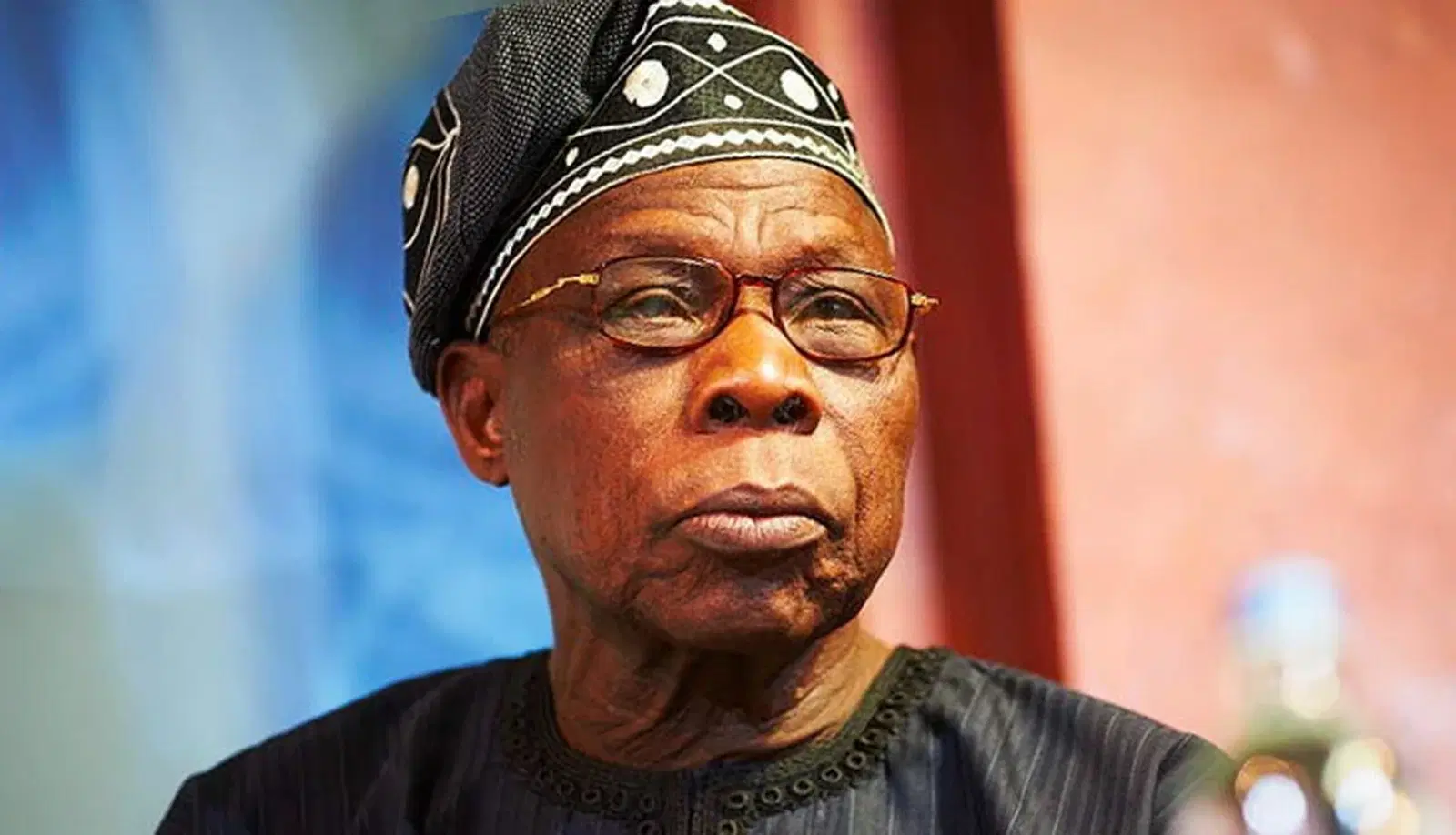
Former President Obasanjo, in an interview with Channels Television, revealed that Aliko Dangote had offered $750 million in 2007 to manage the Port Harcourt, Warri, and Kaduna refineries through a Public-Private Partnership (PPP).
The Nigerian National Petroleum Corporation (NNPC), however, declined the offer, despite acknowledging its inability to manage the refineries effectively. Obasanjo disclosed that Dangote’s proposal followed Shell’s refusal to manage the facilities, citing corruption, poor maintenance, and low production output.
Obasanjo recounted, “Aliko got a team together and they paid $750 million for a PPP to run the refineries. My successor refunded their money, and I told him NNPC could not manage the refineries. But they insisted they could.”
Call for Responsible Privatization
In its statement, ASCAB urged stakeholders to ensure any future privatization serves national interests and adheres to due process. The group further advised private investors to establish their refineries rather than seeking to acquire public assets at undervalued rates.
As Nigeria continues to grapple with the challenges of refining capacity and energy security, the debate over refinery privatization remains a critical issue for policymakers, labor unions, and the public.