 The Take-It-Back Movement has announced a significant protest scheduled for tomorrow at the Force Headquarters in Abuja, aiming to launch a series of mass campaigns to permanently end police extortions and unlawful roadblocks nationwide. The movement’s call to action, encapsulated in the hashtag #EndPoliceExtortion, has heightened tensions in the capital, reflecting a growing public outcry against police misconduct.
This mobilization was ignited by a recent incident involving the group’s leader, Omoyele Sowore, who was summoned by the Nigeria Police Force following his documentation of alleged police extortion on the Murtala Muhammed International Airport Access Road in Lagos. In the video, Sowore confronted officers he accused of causing unnecessary traffic congestion and engaging in extortionate practices. The police subsequently issued an invitation to Sowore, requesting his presence for an interview on January 27, 2025.
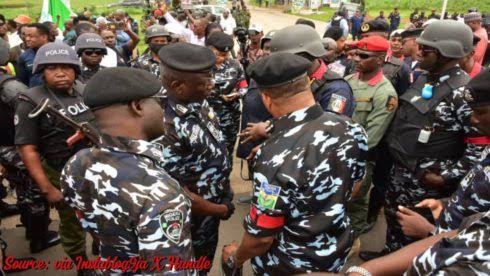
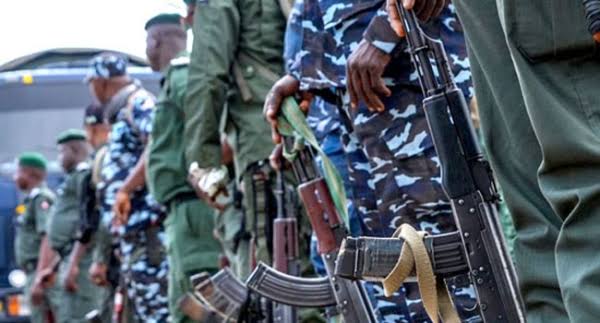
In a concerning development, armed officers arrested one of the protest organizers, Henry Nwodo, on Sunday night in the Ruga-Fulani village of Abuja. Witnesses reported that Nwodo was assaulted, his phone seized, and he was forcibly taken into a black vehicle with no license plates. His housemate, Emiola Osifeso, revealed that Nwodo was at the night market buying rice when he was apprehended. Osifeso suspects that Nwodo’s arrest is connected to the planned protest, with some local residents indicating that vigilante officers may have tipped off the police.
Despite Nwodo’s detention, the Take-It-Back Movement remains resolute, urging Nigerians to participate in the demonstration to demand an end to police brutality and extortion. The organization has condemned the police’s actions towards Sowore, describing them as a blatant attempt to intimidate and silence dissent. They have called on the authorities to focus on investigating the alleged police misconduct captured in Sowore’s video and to hold those responsible accountable.
This protest is part of a broader wave of civil unrest in Nigeria, where citizens have increasingly taken to the streets to voice their grievances against government policies and actions. In August 2024, nationwide protests erupted over the rising cost of living, leading to clashes with security forces and subsequent arrests. The government’s response to these demonstrations has drawn criticism from human rights organizations, which have condemned the detention and charging of protesters, including minors, with serious offenses such as treason.
As the Take-It-Back Movement prepares for its protest, the atmosphere in Abuja remains tense, with citizens and observers closely monitoring the situation. The movement’s determination to proceed, despite recent arrests and intimidation, underscores the deep-seated frustrations among Nigerians regarding police conduct and broader governance issues.