
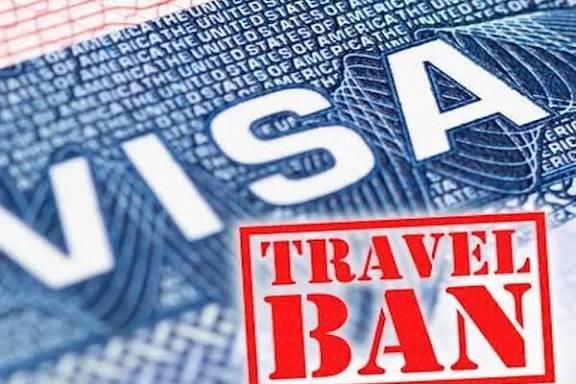
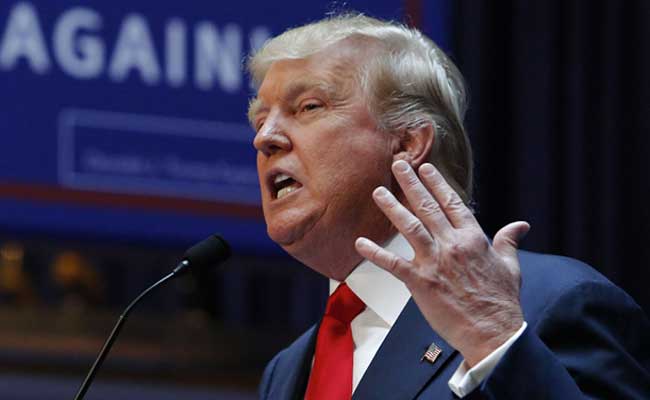
 The United States has officially implemented new travel restrictions affecting citizens of 39 countries, including Nigeria, effective January 1, 2026. The policy, enacted under President Donald Trump’s administration, significantly expands earlier immigration controls, citing national security risks, visa overstay rates, and challenges in screening travelers from certain nations.
Of the 39 countries listed, 26 are African nations—12 under full entry suspension and 14 facing partial restrictions. The measures are part of what the White House describes as “broader efforts to control immigration and protect the United States from perceived threats to its safety and security.”
African Countries Under Full Suspension:
– Burkina Faso – cited for terrorism, refusal to accept deported citizens, and high visa overstay rates.
– Mali – ongoing conflict and terrorist activities.
-Niger – terrorism and visa overstay concerns.
– Sierra Leone – 35.83% visa overstay rate and rejection of deported nationals.
– South Sudan – failure to accept deported citizens and high overstay rates.
Partial Restrictions on Key African Nations:
– Nigeria – cited for activities of terrorist and armed groups, alongside a 5.56% B-1/B-2 visa overstay rate and 11.90% for F, M, and J visas.
– Angola, Benin, Côte d’Ivoire, Gabon, The Gambia, Malawi, Mauritania, Senegal, Tanzania, Zambia, and Zimbabwe – all flagged for varying overstay rates and, in some cases, lack of cooperation on deportations.
The restrictions have drawn criticism from affected nations and international observers, who view them as overly broad and damaging to diplomatic and people-to-people ties. The U.S. administration maintains that the measures are necessary to address security vulnerabilities and immigration compliance failures.