

– Industry Leaders Advocate Stronger Collaboration Between Platforms, People and Regulators to Shape the Future of Advertising
LAGOS, NIGERIA – August 6, 2026
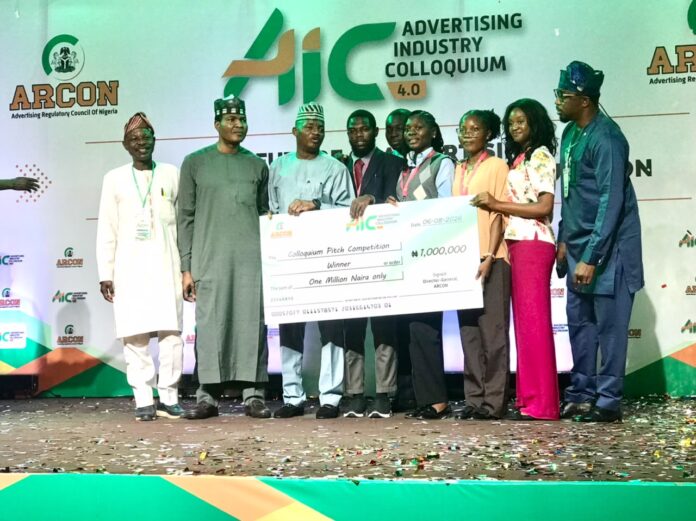
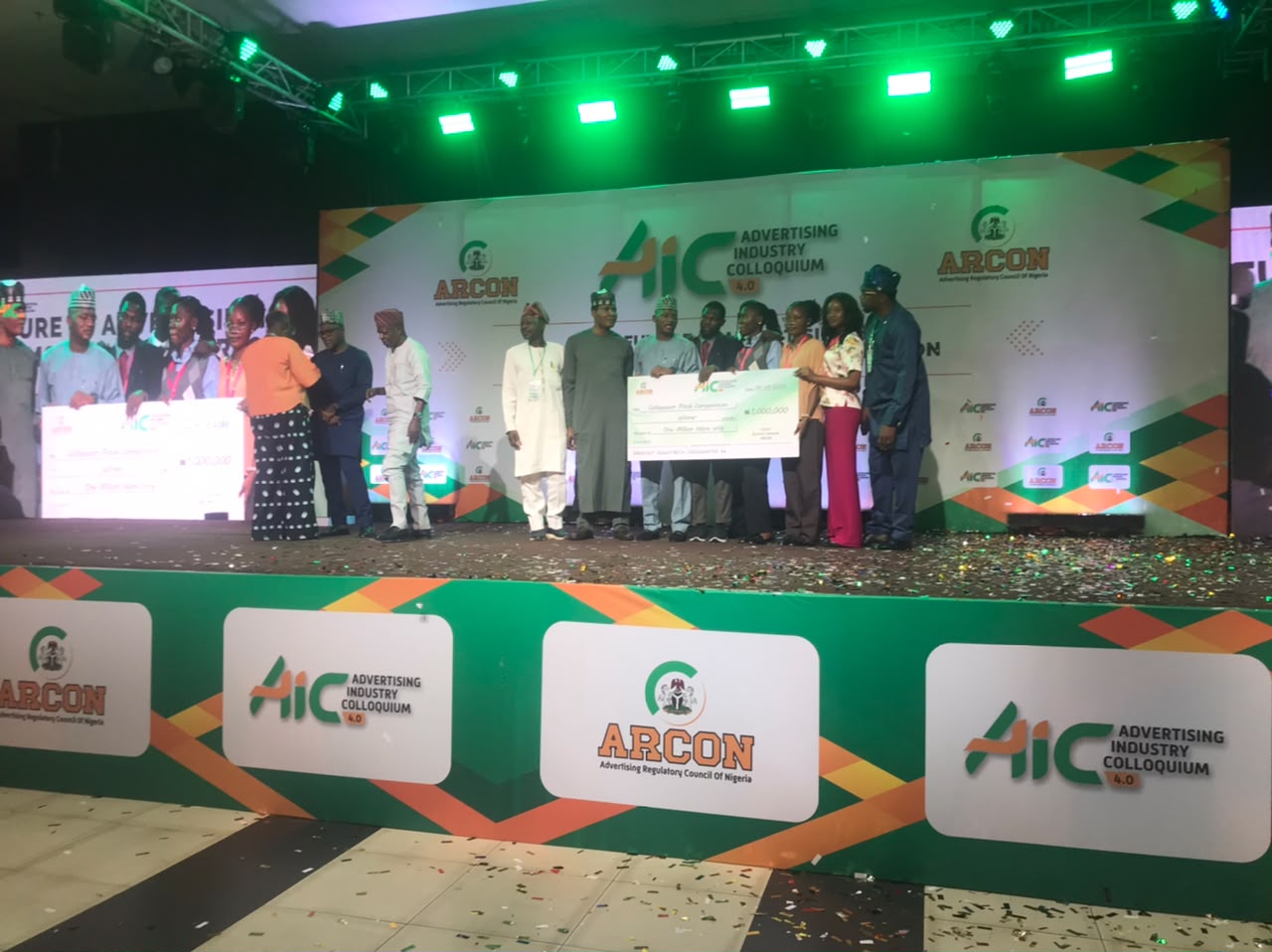
Nigeria’s advertising and marketing communications industry has taken another significant step towards preparing for the future of digital communication as the Advertising Regulatory Council of Nigeria (ARCON) successfully hosted the 4th Advertising Industry Colloquium (AIC 4.0) under the theme, “The Future of Advertising: Role of Platforms, People and Regulation,” at the D’Podium Event Centre, Ikeja, Lagos.
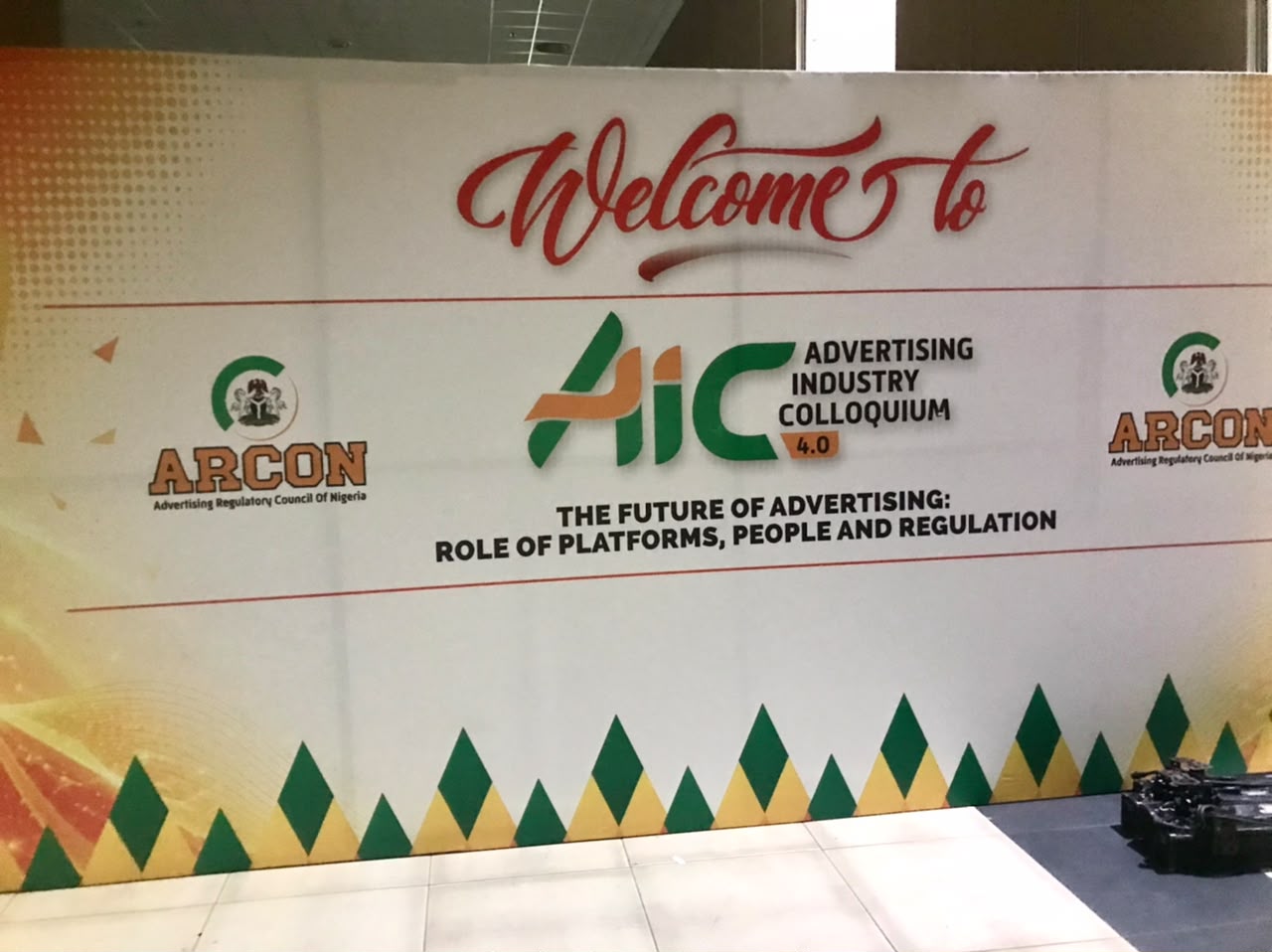 The annual industry engagement attracted an impressive gathering of regulators, advertising professionals, communication scholars, technology experts, media executives, brand custodians, content creators, students and policymakers to deliberate on the rapidly evolving advertising ecosystem driven by artificial intelligence, digital platforms and data-powered marketing.

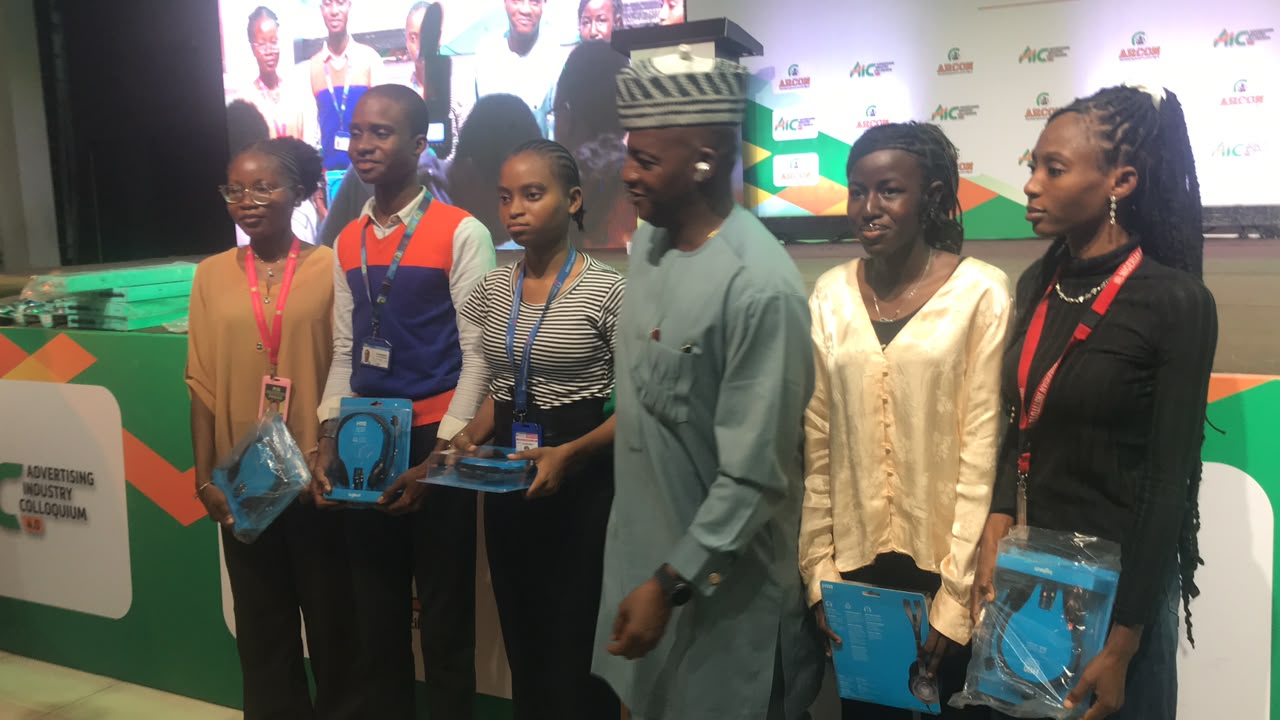
Established by the Advertising Regulatory Council of Nigeria Act, 2022, ARCON is Nigeria’s apex regulatory authority for advertising, advertisements and marketing communications. The Council is responsible for promoting responsible advertising practice, protecting consumers, regulating professional standards, encouraging local content development and ensuring ethical advertising practices across the country. The Advertising Industry Colloquium forms part of ARCON’s strategic initiative to bridge the gap between academia and industry while promoting research, innovation and practical solutions to emerging advertising challenges. 
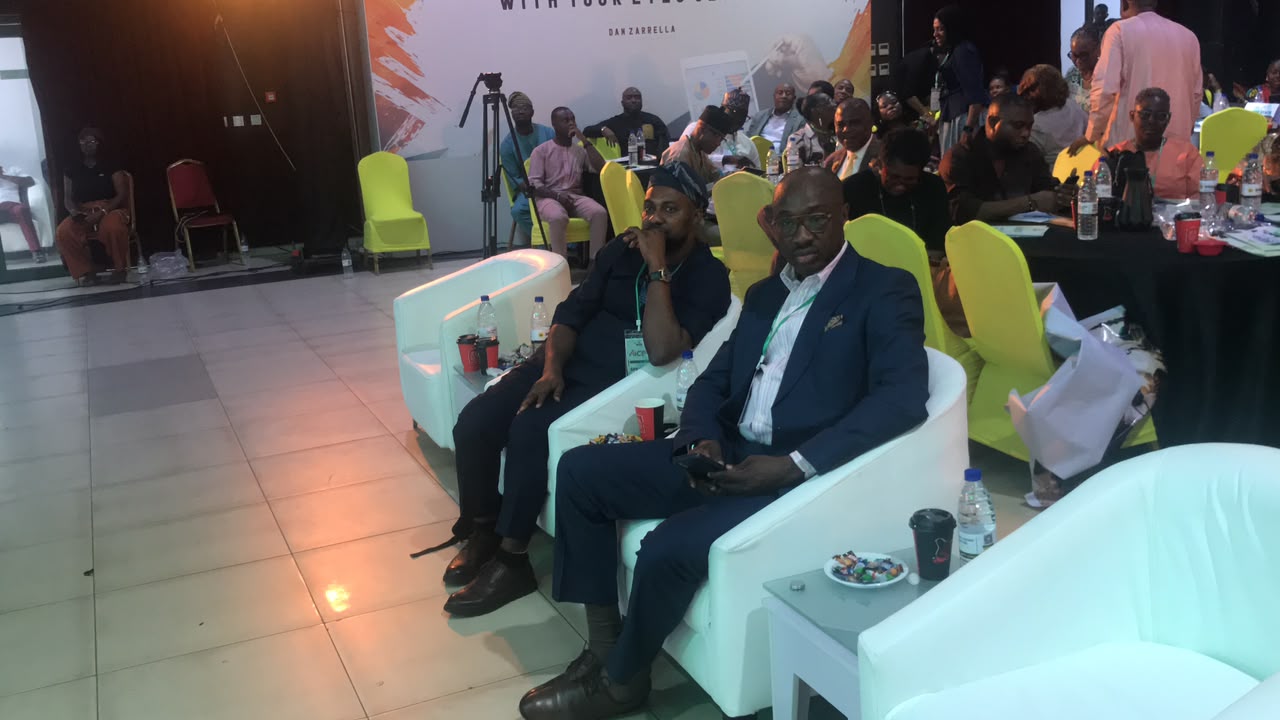
The 2026 edition was championed by the Director-General of ARCON, Dr. Olalekan Fadolapo, FCA, while the Director-General of Voice of Nigeria (VON), Malam Jibrin Baba Ndace, served as Chairman of the occasion.
 One of the major highlights of the event was an intellectually stimulating lecture delivered by Professor Adepoju Tejumaiye of the Department of Advertising and Public Relations, Faculty of Communication and Media Studies, University of Lagos (UNILAG), titled:
“Artificial Intelligence, Content Creation and Creative Ownership: Examining the Impact of AI on Creativity, Agency Roles and Intellectual Property – Perspective from Academia.”
 The lecture examined how Artificial Intelligence is reshaping creative processes, advertising agencies, intellectual property rights, content ownership and professional ethics, while urging practitioners to embrace innovation without compromising originality and legal protections.
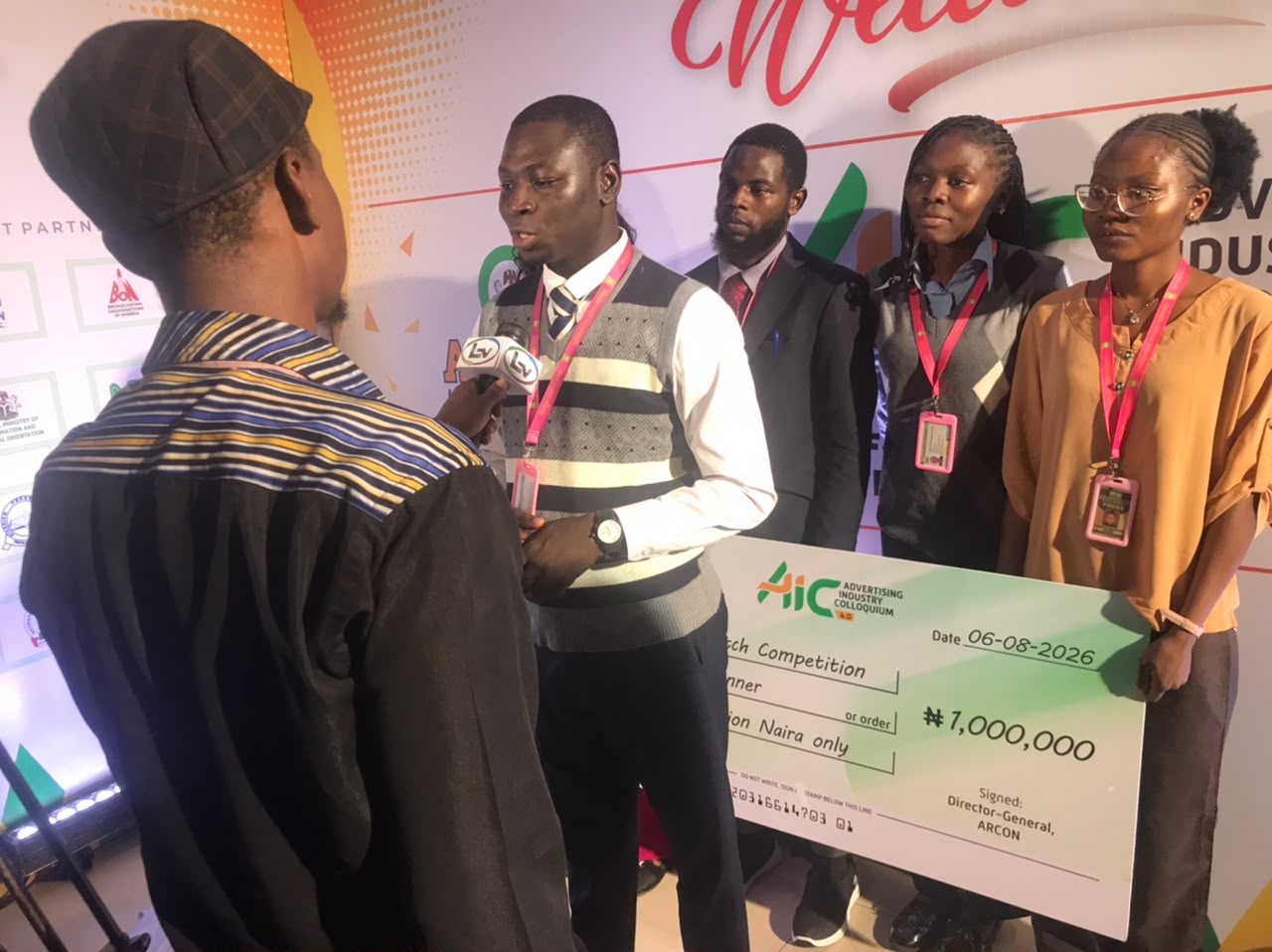
Speaking shortly after the successful conclusion of the colloquium during an interaction with journalists from NUJ, DASCENARIO TV and other members of the Fourth Estate, Chairman of the Advertising Industry Colloquium Planning Committee and Professor of Advertising and Public Relations at Lagos State University (LASU), Professor Rotimi Olatunji, described the event as a timely intervention in addressing the future of global advertising.
Professor Olatunji, who represented renowned advertising expert Mr. Olu Akanmu in delivering the keynote presentation, explained that the future of advertising revolves around three inseparable pillars—Platforms, People and Regulation.
According to him, digital platforms have fundamentally changed how advertising messages are distributed, consumed and monetized across the world.
“The future of advertising is no longer defined solely by creativity. It is now shaped by three critical forces—platforms, people and regulators. These three stakeholders must work together if we must build a fair, innovative and socially responsible advertising ecosystem,” Professor Olatunji stated.
 He observed that technology giants such as Google, Meta and other digital platform providers have become the new gateways through which advertising content reaches billions of audiences globally.
According to him, ownership of data has shifted enormous economic influence to platform operators.
“Today, whoever controls the platforms controls audience access, consumer data and ultimately advertising value. These platform owners possess enormous economic power running into trillions of dollars. Such influence demands responsible regulation that protects consumers while encouraging innovation.”
The renowned advertising scholar further stressed that regulators have become indispensable in ensuring ethical advertising practices, data privacy, transparency and responsible commercial communication.
“The regulator exists to ensure that technological advancement never comes at the expense of public trust. Regulation should not be viewed as an obstacle to innovation but as the framework that guarantees fairness, accountability and social responsibility.”
Professor Olatunji explained that the “People” component extends beyond advertising practitioners alone.
According to him, it encompasses consumers, government institutions, advertisers, agencies, media organisations, content creators, technology companies and every stakeholder whose actions influence public communication.
“The people include everyone within the advertising ecosystem—government, consumers, agencies, media organisations, content creators and platform owners. When every stakeholder collaborates responsibly, the entire ecosystem benefits.”
Reflecting on the key outcomes of the colloquium, Professor Olatunji noted that traditional advertising structures are rapidly evolving as digital platforms increasingly dominate audience engagement and advertising revenue.
“One of today’s biggest takeaways is that the advertising industry can no longer remain the same. Traditional media no longer own audience access in the way they once did. They now depend largely on digital platforms to reach consumers.”
He expressed concern that while content creators continue to produce valuable intellectual assets, they often receive disproportionately small returns compared to platform owners who control digital distribution channels.
“Content creators remain the lifeblood of the advertising economy, yet many receive only a fraction of the value generated from their creativity. Achieving fairness will require deliberate collaboration among regulators, platforms and industry practitioners.”
He concluded by emphasizing that sustained dialogue such as the ARCON Advertising Industry Colloquium would remain essential in preparing Nigeria’s advertising profession for the opportunities and disruptions presented by Artificial Intelligence, digital transformation and emerging communication technologies.
 Participants described the colloquium as one of the most impactful editions since its inauguration, applauding ARCON for creating an inclusive platform that encourages constructive dialogue between academia, regulators and industry practitioners.
Industry stakeholders expressed optimism that recommendations from the conference would strengthen Nigeria’s advertising regulatory framework, promote ethical AI adoption, encourage innovation, protect intellectual property rights and position the nation’s marketing communications industry for greater global competitiveness.