 …Regional Planning and the Future of South-West Development
The Lagos Physical Planning Summit 2.0 has called for stronger coordination between development planning, infrastructure investment and project delivery, with Senate Leader Opeyemi Bamidele proposing a Lagos–South-West development and investment compact to advance regional cooperation and sustainable growth.
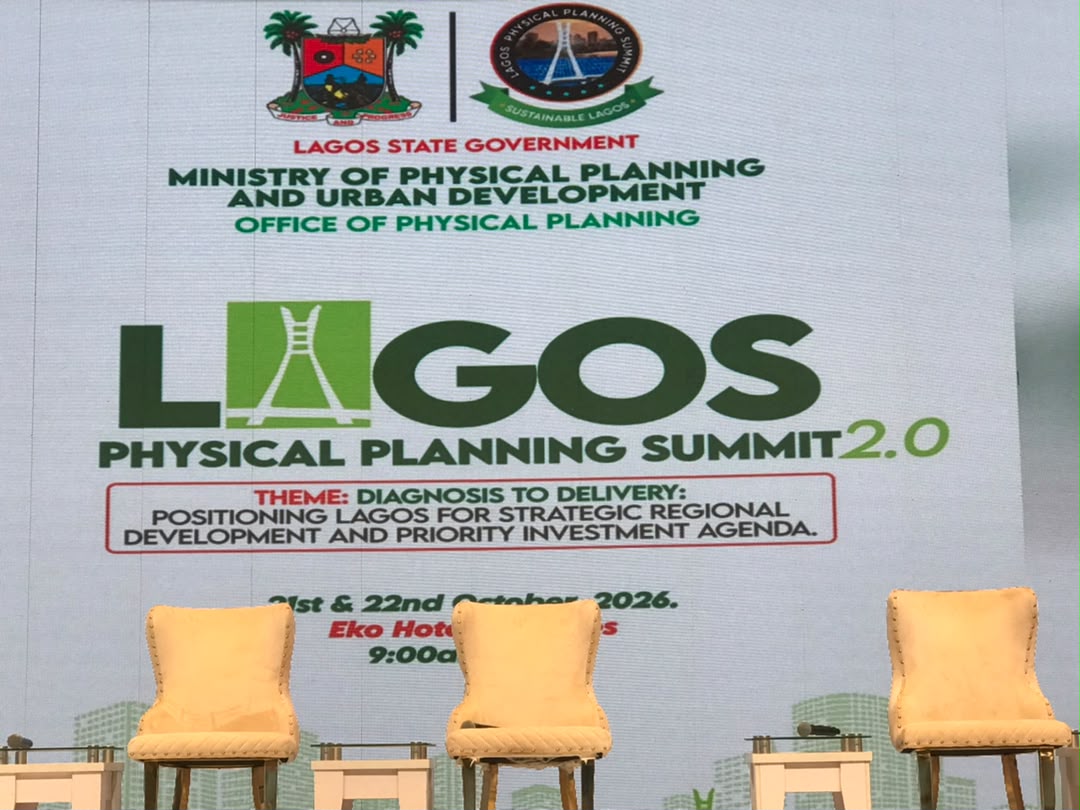
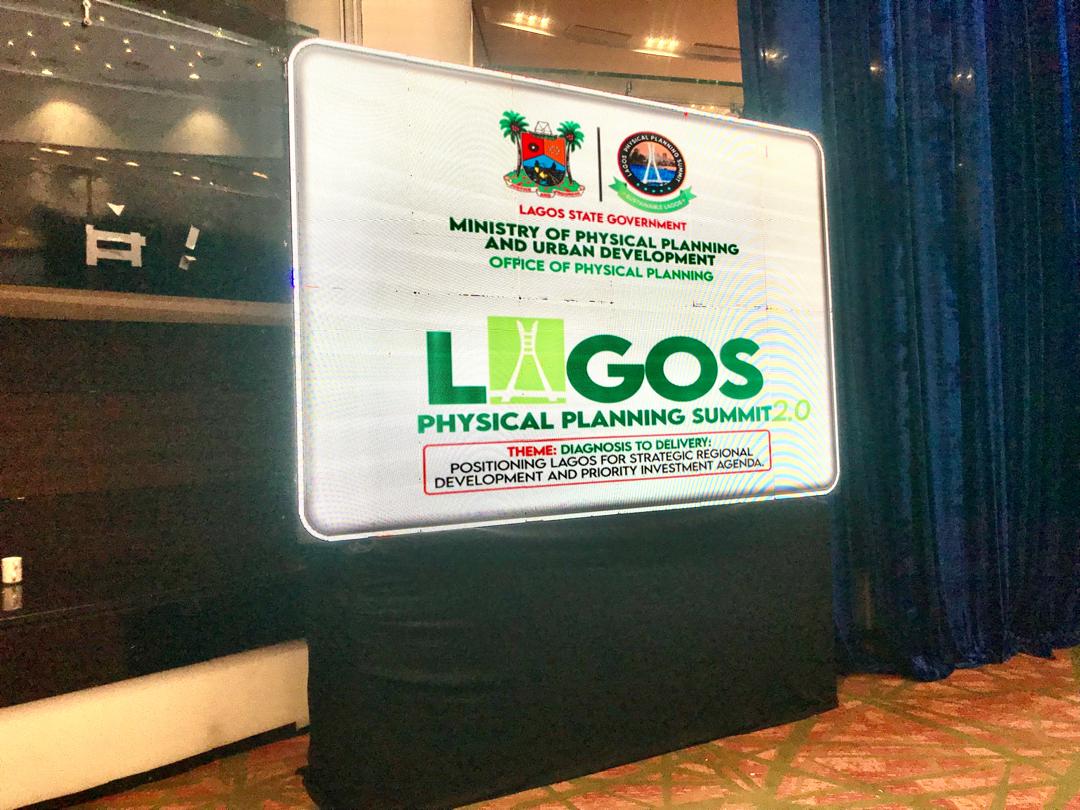
Held on October 21–22, 2026, at Eko Hotel & Suites, Victoria Island, the summit brought physical planning, government, business and built-environment stakeholders together under the theme “Diagnosis to Delivery: Positioning Lagos for Strategic Regional Development and Priority Investment Agenda.”
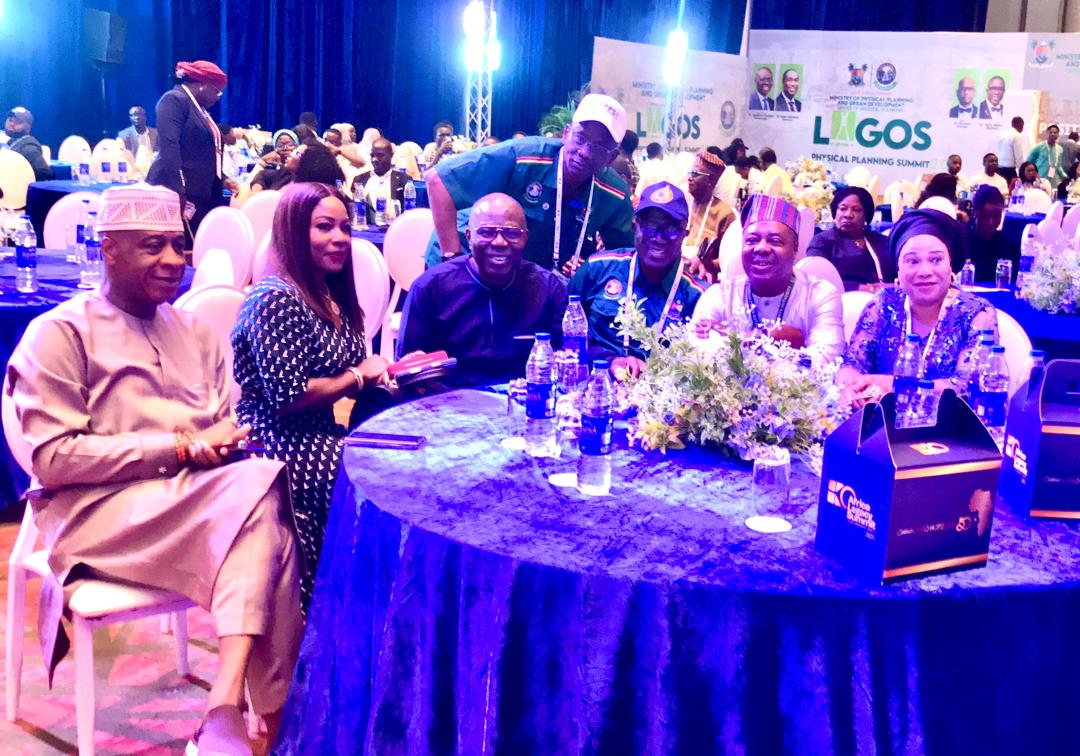 LAGOS, NIGERIA — The Lagos State Government has renewed its focus on implementation-driven urban planning, regional cooperation and strategic investment following the successful conclusion of the second Lagos Physical Planning Summit, which examined practical approaches to managing the state’s rapid urban growth and strengthening its long-term development prospects.
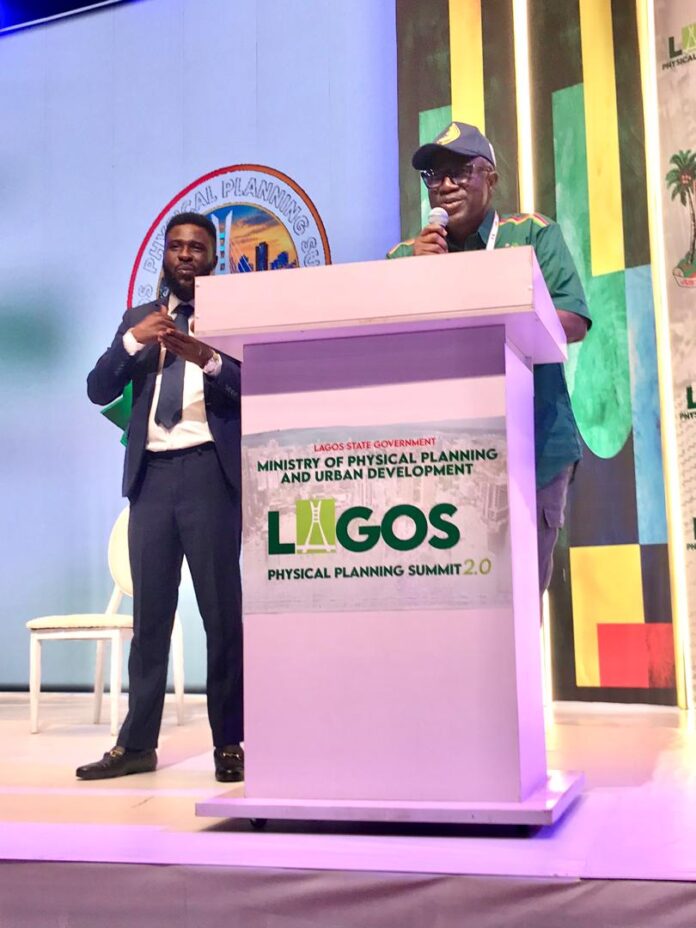
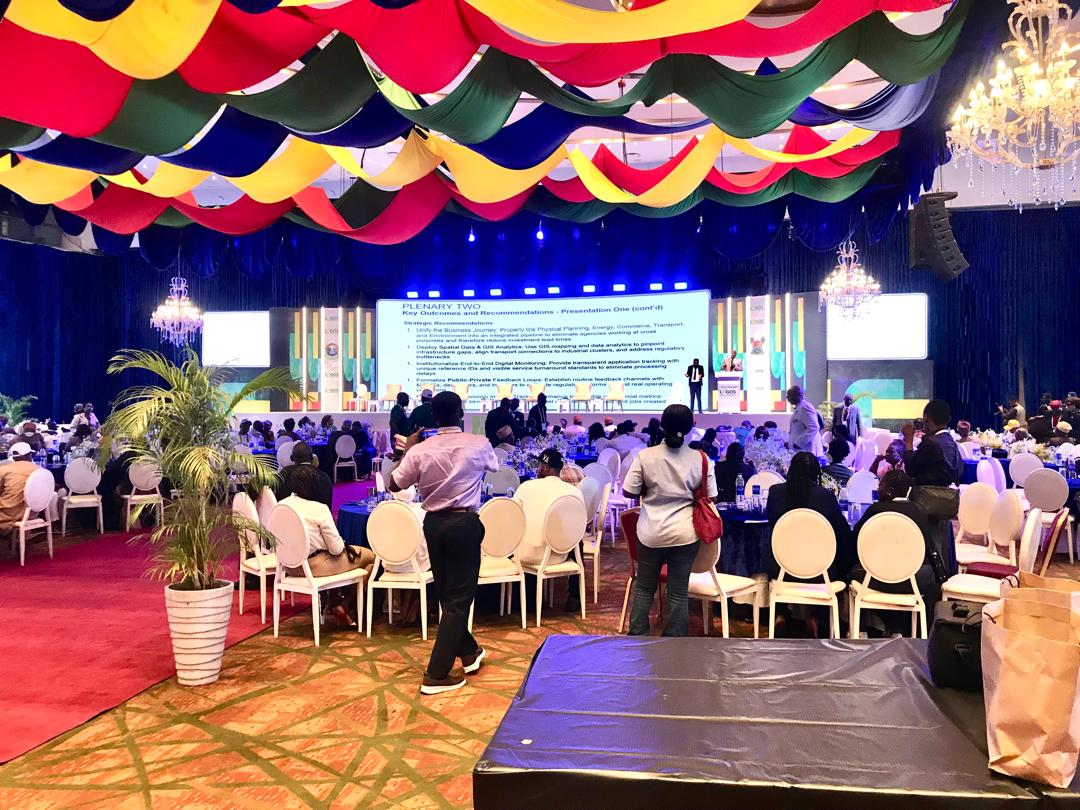
The two-day event, organised by the Lagos State Ministry of Physical Planning and Urban Development through the Office of Physical Planning, was held on October 21 and 22, 2026, at Eko Hotel & Suites, Victoria Island, Lagos.
The summit’s theme, “Diagnosis to Delivery: Positioning Lagos for Strategic Regional Development and Priority Investment Agenda,” underscored the need to translate development plans into projects that produce measurable economic, social and environmental benefits.
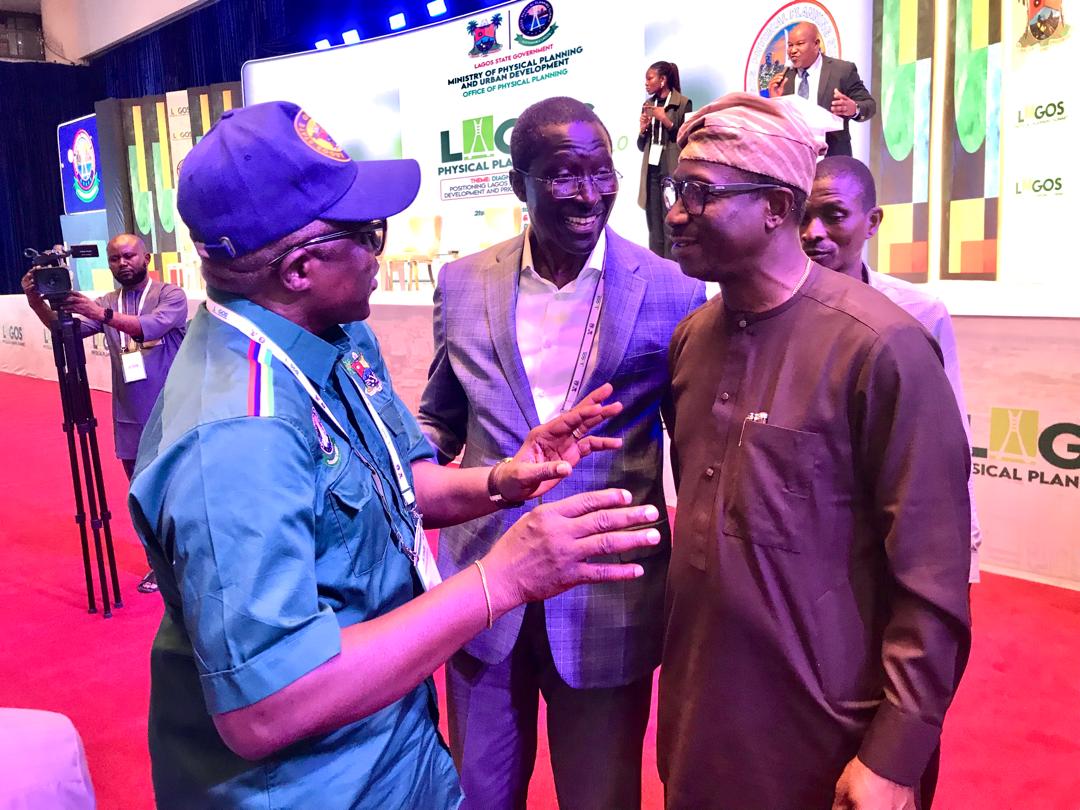 The gathering brought together government representatives, physical planners, built-environment professionals, investors, developers, academics and other stakeholders to discuss the challenges and opportunities associated with managing Lagos as a rapidly expanding megacity.
According to post-event media reports, a central message from the summit was that planning must be linked more closely to implementation, financing, institutional accountability and coordination across government agencies and regional boundaries.
Bamidele Proposes Lagos–South-West Development and Investment Compact
One of the major policy proposals emerging from the summit was a call by Senate Leader Senator Michael Opeyemi Bamidele for Lagos to strengthen regional development cooperation through a coordinated spatial development and investment framework.
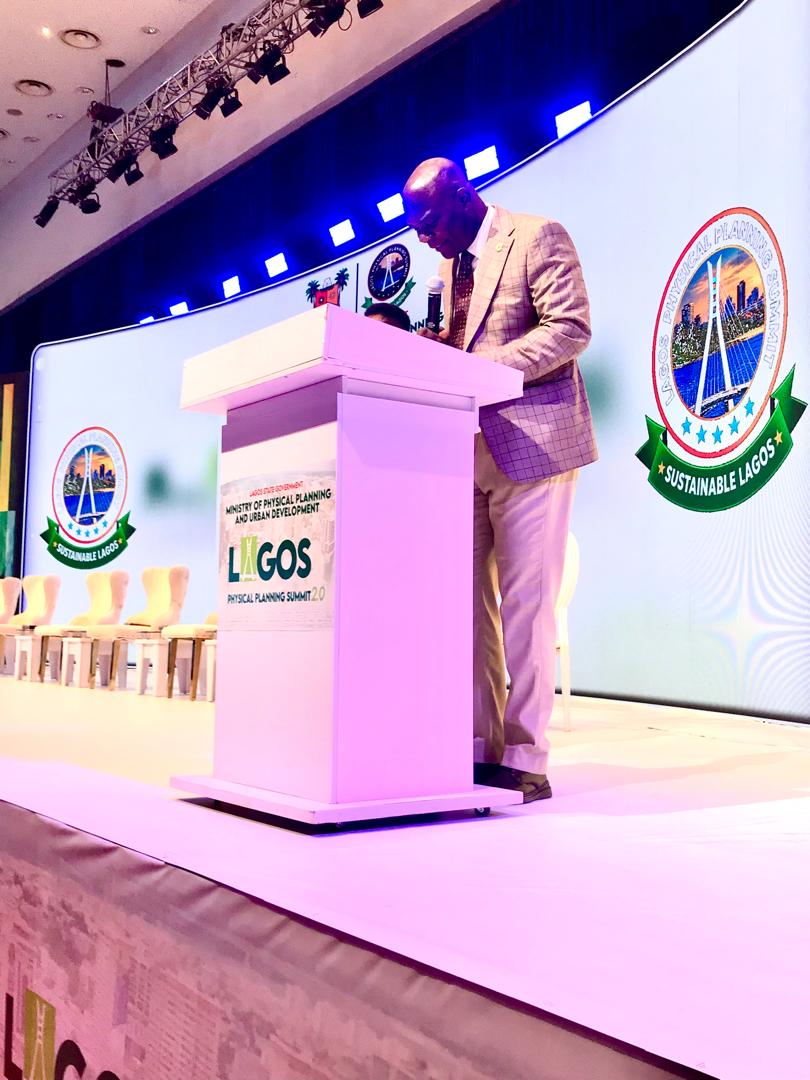
Delivering the keynote address, Bamidele argued that Lagos’s long-term economic prospects cannot be secured through isolated state-level planning because the state’s economy is closely connected to neighbouring areas through transportation, labour markets, housing, trade, manufacturing, logistics and environmental systems.
 Bamidele proposed a Lagos–South-West Spatial Development and Investment Compact to coordinate cross-border infrastructure, regional economic corridors, environmental resilience and investment opportunities.
The proposed framework would involve Lagos and other South-West states, alongside relevant federal institutions, planning authorities, infrastructure agencies, private-sector organisations and development partners.
The proposal reflects the growing importance of coordinated regional planning in addressing challenges that extend beyond individual state boundaries.
 Transportation networks, housing demand, industrial development, environmental management and the movement of goods and people are interconnected. Poor coordination in any of these areas can undermine the benefits of investments made elsewhere.
A regional compact could provide a framework for identifying shared priorities and mobilising investment around infrastructure and economic projects with cross-border benefits.
However, the proposal should be distinguished from an adopted government policy: the cited reports describe it as a recommendation made by the Senate Leader, not as an already established compact.
 Lagos Physical Planning Summit 2.0 Highlights the Need for Delivery
The summit’s theme placed implementation at the centre of discussions about Lagos’s future.
As one of Nigeria’s leading commercial centres, Lagos faces mounting demands for housing, transport infrastructure, drainage, public services, industrial facilities and effective land-use management.
These pressures make physical planning essential not only for organising development but also for coordinating infrastructure, reducing land-use conflicts, supporting economic activity and improving residents’ quality of life.
At the summit, Lagos State Commissioner for Physical Planning and Urban Development, Dr Oluyinka Olumide, emphasised the need to move beyond identifying development challenges and focus on implementing practical solutions.
 DASCENARIO reports that on October 21, discussions addressed the need to implement approved master plans, strengthen coordination among ministries and agencies, improve monitoring and accountability, and ensure that development frameworks translate into tangible improvements.
The Lagos Physical Planning Summit 2.0 therefore highlighted an important distinction between producing development plans and ensuring that those plans guide real decisions about land use, infrastructure provision, investment and urban growth.
Effective implementation requires clear priorities, adequate financing, defined responsibilities and mechanisms for monitoring progress.
Without these elements, even well-designed plans risk remaining documents rather than becoming practical instruments for development.
Digital Planning and Technology to Improve Service Delivery
Digital transformation was another major priority associated with the summit.
The Lagos State Government has been pursuing electronic processes and technology-supported planning to improve the administration of physical planning permits, strengthen access to information and reduce unnecessary delays.
The state’s Office of Physical Planning identifies digital transformation, planning data and improvements to the ease of doing business as important elements of the summit’s objectives.
 Digital planning systems can support more efficient processing of applications, improve record management and provide officials with better information for land-use decisions.
Geographic information systems, digital mapping and reliable planning data can also help authorities understand development patterns, monitor changes and identify infrastructure requirements.
However, the effectiveness of these tools depends on the quality of available data, the reliability of the systems, transparent administrative processes and the capacity of institutions to use information in decision-making.
For property owners, developers and investors, efficient planning processes can help improve predictability and reduce uncertainty when undertaking projects.
For residents, better planning administration can contribute to safer development, more coordinated infrastructure and improved management of urban spaces.
Investment Financing and Infrastructure Priorities
The summit also focused attention on the relationship between physical planning and investment.
Lagos’s development requirements extend across housing, roads, public transport, drainage, environmental management, commercial facilities and supporting infrastructure.
Meeting these needs requires more than identifying where projects should be located. It also requires credible financing arrangements, coordination among public institutions and effective engagement with private investors.
The summit’s stated objectives include unlocking investment opportunities and developing financing approaches for priority development projects.
Aligning development plans with budget allocations and investment decisions can help governments prioritise projects according to their expected economic, social and environmental benefits.
Public-private partnerships and other appropriate financing arrangements may also support projects where government resources alone are insufficient.
For investors, clearly defined development priorities, predictable regulations and reliable infrastructure planning can improve the conditions for making long-term commitments.
The challenge for Lagos is to ensure that investment is directed towards projects that respond to actual development needs and deliver benefits that residents and businesses can experience.
 Regional Planning and the Future of South-West Development
The call for stronger regional cooperation reflects the reality that the development of Lagos is increasingly linked to the wider South-West.
Economic activity, housing, transportation, logistics and environmental systems frequently cross state boundaries. This creates a need for closer cooperation among neighbouring states and relevant federal institutions.
Bamidele’s proposed regional compact seeks to provide a mechanism for coordinating these shared priorities and identifying investment opportunities that benefit communities across state boundaries.
Potential areas for cooperation include transport connectivity, economic corridors, industrial development, housing, environmental resilience and infrastructure serving communities on both sides of state borders.
Regional planning can also help reduce fragmented development decisions, improve coordination between infrastructure projects and support the more efficient use of public and private resources.
 For the proposal to achieve practical results, however, participating governments and institutions would need to agree on priorities, responsibilities, financing arrangements and mechanisms for measuring progress.
The summit’s regional development agenda therefore raises an important question: how can planning authorities move from shared recognition of common problems to coordinated action on projects that cross administrative boundaries?
From Summit Recommendations to Measurable Results
The long-term value of the Lagos Physical Planning Summit 2.0 will depend on how its discussions and recommendations inform government decisions and future development initiatives.
The issues examined at the summit point to the need for stronger links between physical planning, budgeting, investment mobilisation, infrastructure delivery and institutional accountability.
A practical implementation framework would ordinarily require clearly defined projects, responsible institutions, realistic timelines, financing plans and performance indicators.
Progress could then be assessed through outcomes such as improved infrastructure coordination, more efficient planning processes, better development control, stronger regional connectivity and more effective use of investment.
The summit also creates an opportunity for government agencies, professional bodies, the private sector, academia and communities to maintain engagement beyond the event itself.
Turning policy discussions into measurable improvements will require sustained collaboration and transparent follow-through.
 Lagos Physical Planning Summit 2.0: A Development Agenda Beyond the Event
The second Lagos Physical Planning Summit has reinforced the importance of treating physical planning as a strategic instrument for economic development, environmental management and improved public welfare.
Its emphasis on delivery, investment and regional coordination reflects the challenges facing a growing megacity whose economic and social systems extend beyond its immediate administrative boundaries.
Bamidele’s proposed Lagos–South-West development and investment compact adds a regional dimension to the discussion, while the summit’s broader focus highlights the need to strengthen implementation, technology adoption and the connection between development plans and financing.
The next step is to translate these priorities into practical initiatives, with clear responsibilities and measurable outcomes.
For Lagos, the ultimate test of successful physical planning will not be the number of plans produced or meetings held, but the extent to which planning decisions contribute to better infrastructure, more coordinated development, stronger economic opportunities and improved living conditions for residents.
Published by DASCENARIO
News. Business. Development. Public Interest.