
 The Nigerian Communications Commission (NCC) has identified significant market power in six telecommunications market sub-segments in preliminary findings presented at its Lagos stakeholder forum, with data collection and analysis still ongoing.
PwC’s interim assessment covers 17 market sub-segments as the regulator seeks industry feedback, complete data and evidence-based measures to protect fair competition without discouraging investment.
LAGOS, Nigeria — October 29, 2026: The Nigerian Communications Commission (NCC) has disclosed that its ongoing NCC telecommunications competition study has identified operators with Significant Market Power (SMP) in six sub-segments of the Nigerian telecommunications market, while assessment of other areas remains incomplete.
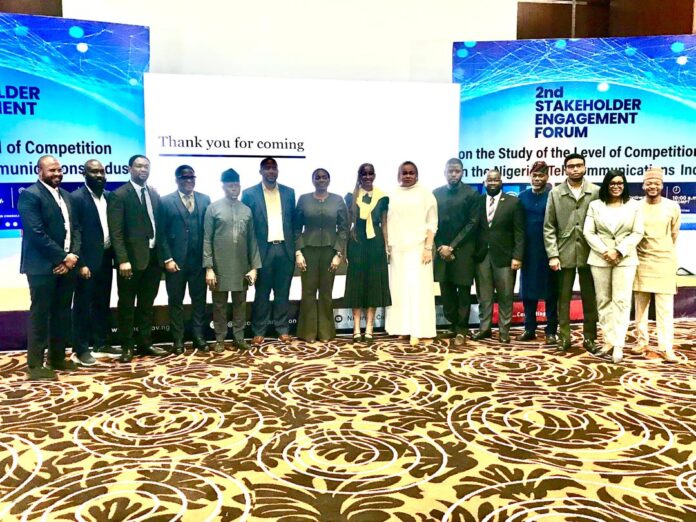
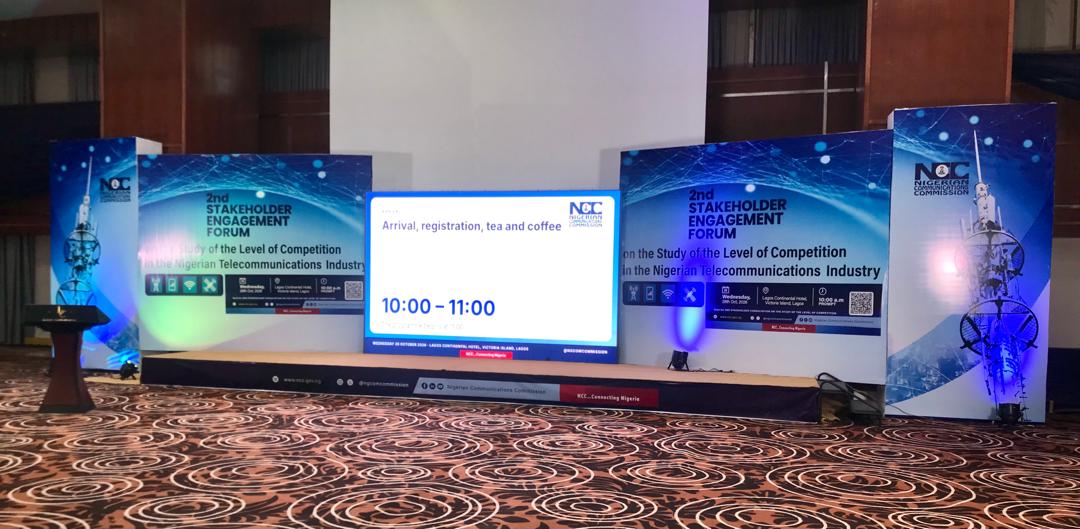
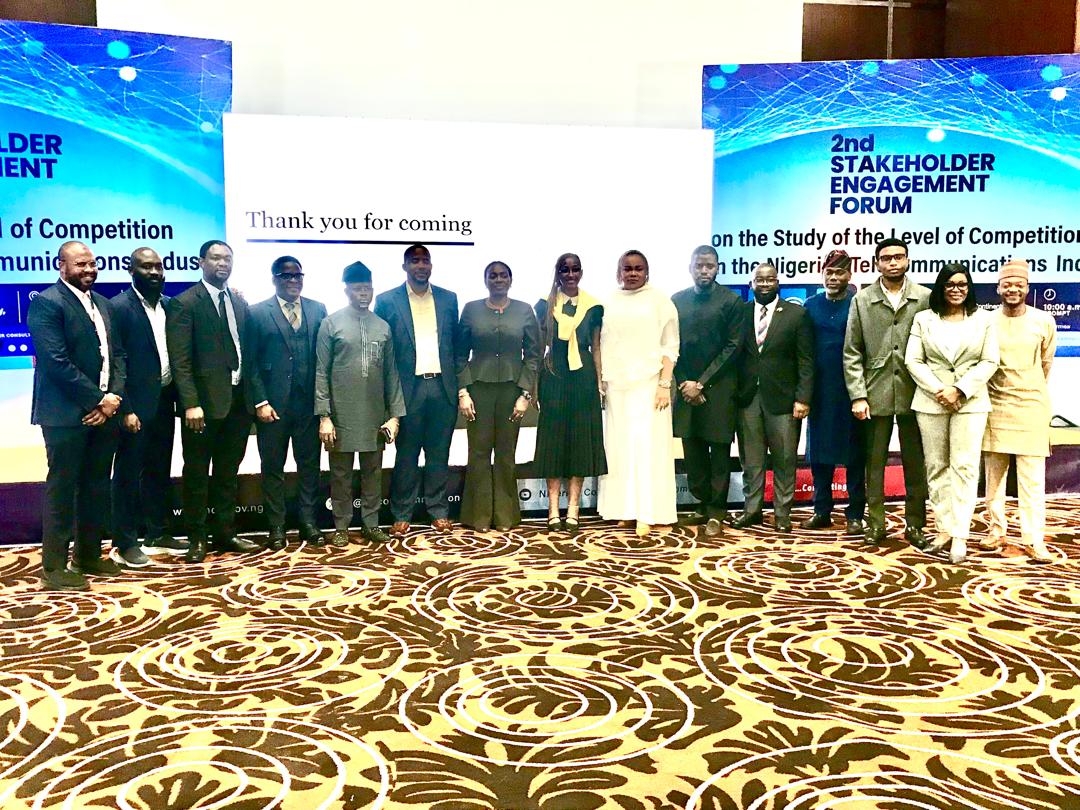
The preliminary findings were presented by PricewaterhouseCoopers (PwC) Nigeria at the Commission’s second Stakeholder Engagement Forum on the Study of the Level of Competition in the Nigerian Telecommunications Industry, held on Wednesday, October 28, at the Lagos Continental Hotel, Victoria Island, Lagos.
 The NCC telecommunications competition study has identified 17 market sub-segments, completed the definition of nine, and left eight still under assessment. PwC also disclosed that no operators with significant market power had been identified in two sub-segments, while analysis of nine others remained ongoing.
The Commission emphasised that the findings are interim and must not be interpreted as the final conclusions of the study. Data collection is continuing, and stakeholder feedback is expected to strengthen the evidence base before the assessment is finalised.
The disclosures place market concentration, access to essential telecommunications infrastructure, barriers to entry and expansion, consumer choice and the competitive position of operators at the centre of the regulator’s ongoing review.
 NCC: Market power must not undermine fair competition
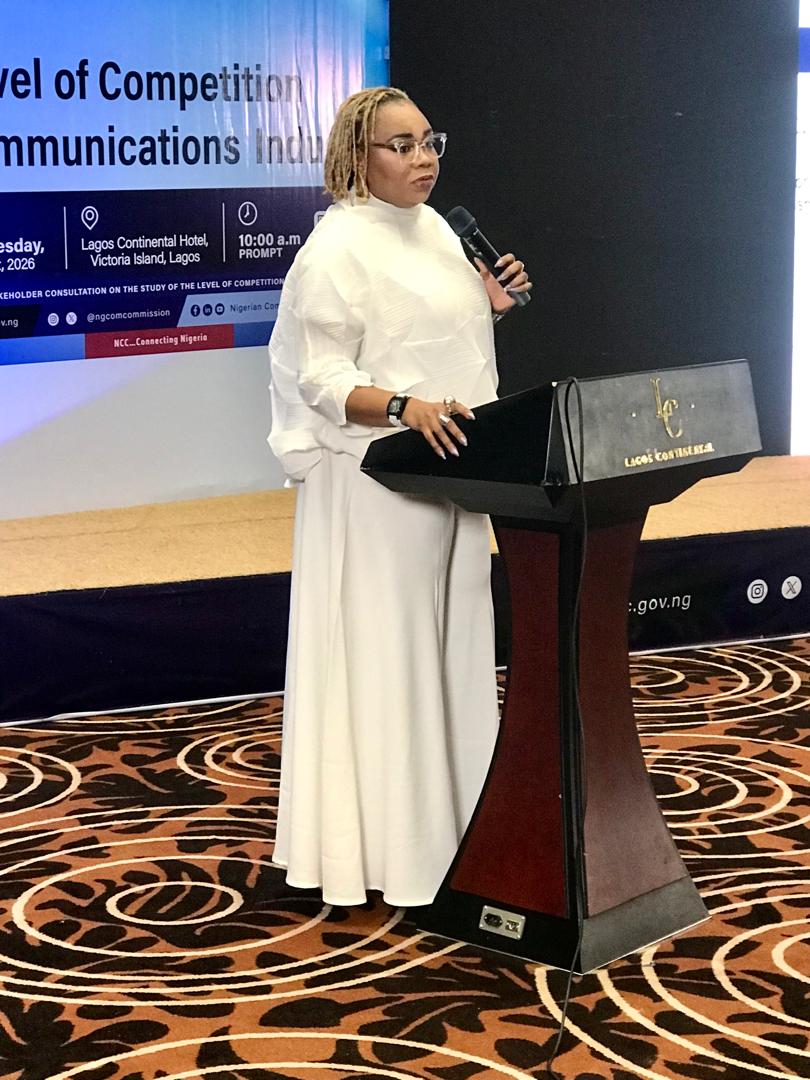
Speaking at the forum, Omotayo Mohammed, Head of Competition and Tariff at the NCC, said the study was intended to provide an objective, evidence-based assessment of market conditions, identify potential barriers to effective competition and support appropriate regulatory responses.
Mohammed said competition remained essential to innovation, investment, service quality, consumer choice and affordable telecommunications services, stressing that the Commission’s responsibility was to ensure that market power did not undermine effective competition.
She cautioned against equating an operator’s size or commercial success with anti-competitive behaviour, noting that smaller operators should not be disadvantaged simply because they operate at a more limited scale.
According to her, significant market power may legitimately result from sustained investment, innovation and commercial success. The regulatory concern arises when such power undermines competition.
The NCC therefore intends to ensure that any regulatory intervention is proportionate and targeted, preserving competitive market conditions while encouraging investment, innovation, better service quality and improved consumer value.
Mohammed explained that assessing competition requires more than examining market shares or counting licensed operators. It also involves evaluating market concentration, barriers to entry and expansion, control over essential infrastructure, market conduct and the range of choices available to consumers.
The Commission’s position is consistent with its statutory mandate under the Nigerian Communications Act 2003 and the Competition Practices Regulations 2007, which provide the framework for promoting fair competition and addressing the misuse of market power in the telecommunications industry.
 PwC reveals scope and progress of competition assessment
Providing an overview of the NCC telecommunications competition study, Mary Iwelumo, a PwC partner, said the assessment had expanded beyond voice and data services to include telecommunications infrastructure following discussions at the first stakeholder forum in January.
She explained that the study was designed to define relevant markets, measure market concentration, evaluate existing regulatory measures and their effects, assess competition and market dynamics, and determine whether operators possess significant market power in particular market segments.
 The market assessment was organised into six broad segments and 17 sub-segments to accommodate the range of services and activities within the industry. The presentation further grouped the analysis around retail, wholesale and infrastructure markets.
Iwelumo said the consultants had completed the definition of nine sub-segments, while work on the remaining eight was ongoing.
On significant market power, she disclosed that the interim assessment had identified SMP in six sub-segments, found no SMP in two, and left nine under further analysis.
The figures remain subject to further validation and should not be treated as a final determination against any particular operator.
 Data gaps delay completion of the study
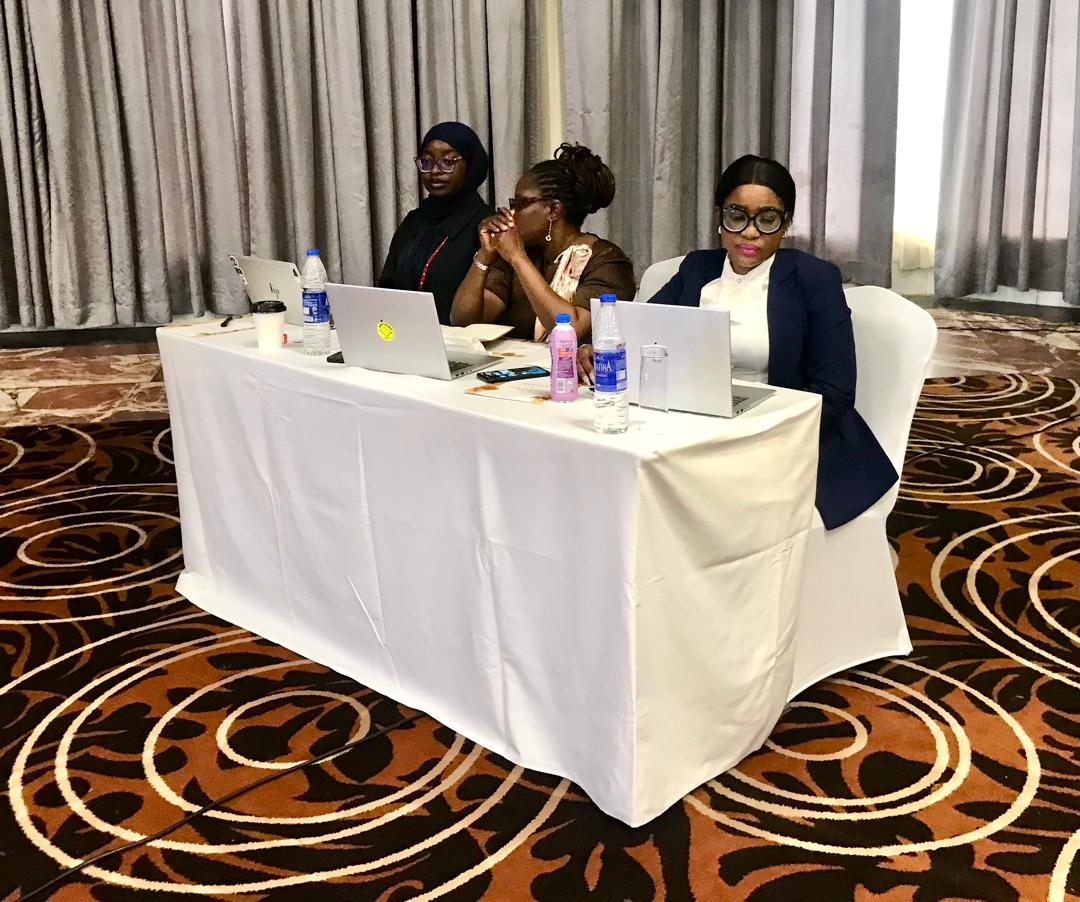
Iwelumo disclosed that the study, initially expected to take approximately four to six months, had continued for about 10 months because the consultants needed more time to obtain sufficient and representative data from operators and other industry participants.
The exercise has involved requests for information, questionnaires, surveys, engagements with operators and analysis of submissions received from the Commission, telecommunications companies and other stakeholders.
She urged operators to respond promptly to outstanding data requests, explaining that the completeness and reliability of the evidence would influence the quality of the final assessment.
She also encouraged companies to communicate clearly when requested information was unavailable rather than leave the Commission’s requests unanswered.
The ongoing data collection is particularly important because the study is intended to produce an evidence-driven assessment of competition rather than rely solely on market estimates or the number of operators holding licences.
Mohammed similarly stressed that the reliability of the study depended on the completeness, accuracy and consistency of the underlying information. Any data limitations, she said, would need to be identified and appropriately considered when interpreting the findings.
 Stakeholders urged to validate interim findings
The second stakeholder engagement was convened to give operators and other industry participants an opportunity to examine the preliminary findings, challenge or clarify emerging issues, provide additional evidence and help refine the study’s conclusions.
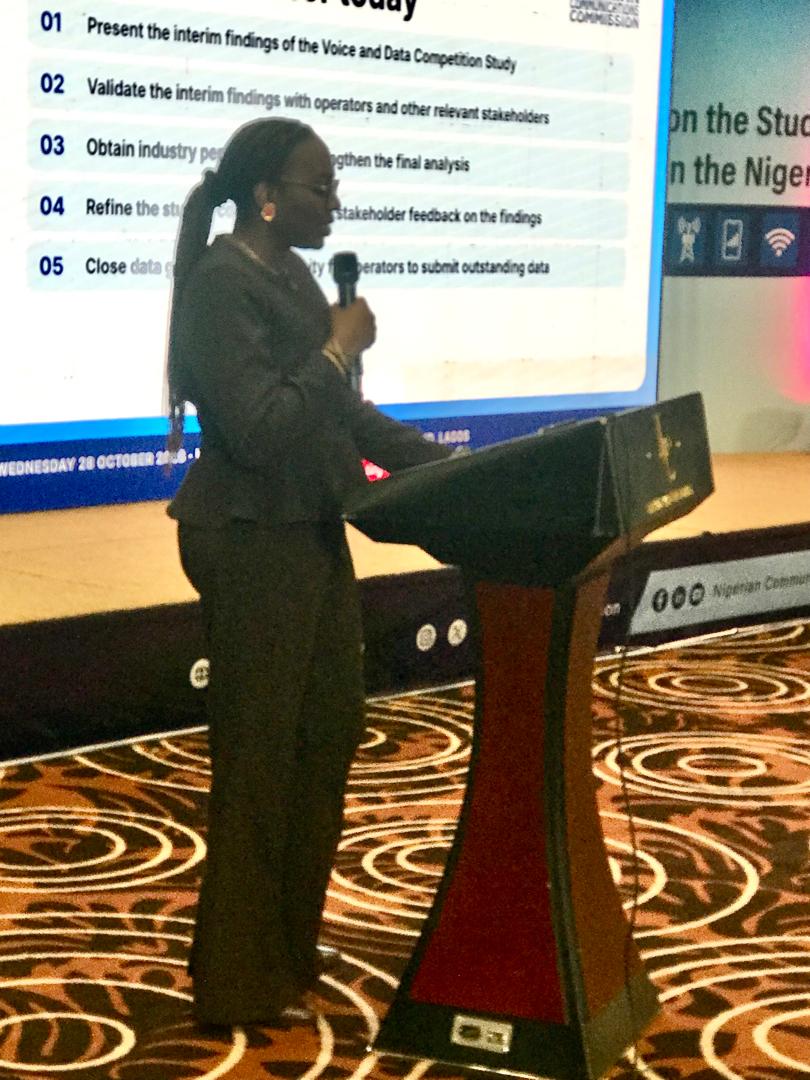
The five stated objectives were to present the interim findings of the voice and data competition study, validate them with operators and relevant stakeholders, obtain industry perspectives, refine conclusions using stakeholder feedback, and close outstanding data gaps.
The first forum, held on January 13, 2026, at the Sheraton Hotel, Ikeja, Lagos, introduced the study’s rationale, objectives, scope and proposed methodology. Contributions from that engagement helped refine the approach and identify relevant market issues.
At the latest forum, Mohammed encouraged participants to support their observations with verifiable data and practical industry experience, whether they agreed with the findings or had reservations about the analysis.
She said the Commission welcomed constructive contributions before reaching any regulatory conclusions.
The study’s final outcome is expected to provide a stronger basis for identifying competition concerns and considering whether additional regulatory measures are necessary.
 What the findings could mean for Nigeria’s telecom industry
The NCC telecommunications competition study could help clarify how competitive conditions vary across different services and infrastructure markets, including whether barriers to entry or access to essential facilities limit the ability of some operators to compete effectively.
For consumers, a properly grounded competition assessment could inform measures intended to support service quality, innovation, consumer choice and affordability.
For operators, the study could provide greater clarity on how the regulator evaluates market concentration and significant market power, while distinguishing legitimate commercial success from practices that may undermine competition.
However, the preliminary figures do not, by themselves, establish that any operator has violated competition rules. Nor do they confirm that the Commission has decided to impose sanctions or introduce new obligations.
The Commission’s stated approach is to use the evidence, stakeholder contributions and further analysis to determine appropriate next steps.
As the NCC telecommunications competition study moves towards completion, the immediate priority remains closing data gaps, validating the interim assessment and ensuring that the final report reflects the realities of Nigeria’s telecommunications market.
The central regulatory challenge is to preserve fair opportunities for competition while maintaining incentives for the investment and innovation needed to improve telecommunications services across the country.
Follow DASCENARIO for verified updates on Nigeria’s telecommunications industry, regulatory policy and digital economy.