

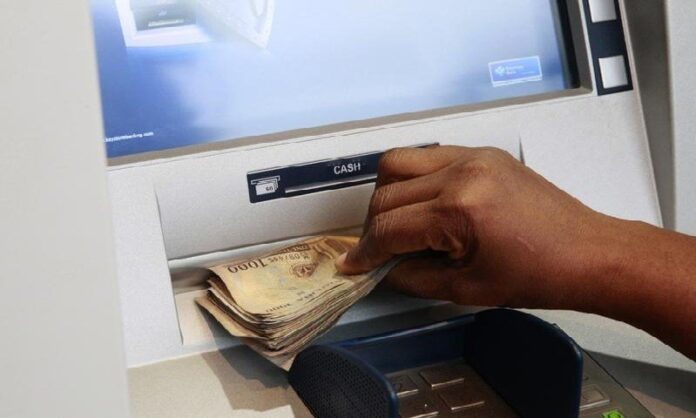
 The Central Bank of Nigeria (CBN) has unveiled a revised structure for Automated Teller Machine (ATM) transaction fees, set to commence on March 1, 2025. This policy change eliminates the previously allowed three free monthly withdrawals for customers using ATMs of banks other than their own.
Key Highlights of the Revised ATM Charges:
- On-Us Transactions: Withdrawals made at ATMs of a customer’s own bank will continue to be free of charge.
- Off-Us Transactions (On-Site): For withdrawals at another bank’s ATM located within the bank’s premises, a fee of ₦100 will be charged for every ₦20,000 withdrawn.
- Off-Us Transactions (Off-Site): Withdrawals from ATMs of other banks situated outside bank premises will incur a ₦100 fee plus a surcharge not exceeding ₦500 per ₦20,000 withdrawal. The surcharge, which serves as income for the ATM deployer, must be disclosed to the customer at the point of withdrawal.
The CBN’s circular, signed by John Onojah, Acting Director of the Financial Policy and Regulation Department, emphasizes that this review aligns with Section 10.7 of the CBN Guide to Charges by Banks, Other Financial and Non-Bank Financial Institutions (2020). The apex bank states that the adjustment aims to address rising operational costs and enhance the efficiency of ATM services across the nation.
This development has sparked significant reactions on social media platforms. On Facebook, users have expressed concerns about the potential financial burden on customers who frequently use ATMs of other banks. Discussions on X (formerly Twitter) reflect a mix of apprehension and understanding, with some users acknowledging the need for banks to manage operational costs, while others worry about the impact on individuals who rely heavily on ATM withdrawals.
Financial analysts suggest that customers may need to adjust their banking habits, possibly by increasing the use of digital banking platforms and planning withdrawals more strategically to minimize additional fees. The CBN advises all bank customers to stay informed about these changes and consider alternative transaction channels to manage potential costs effectively.
As the implementation date approaches, it is anticipated that banks will communicate these changes to their customers, ensuring transparency and providing guidance on how to navigate the new fee structure.
For more detailed information, customers are encouraged to contact their respective banks or visit the CBN’s official website.
This policy shift underscores the CBN’s commitment to balancing operational sustainability within the banking sector while addressing the evolving needs of consumers in Nigeria’s financial landscape.