
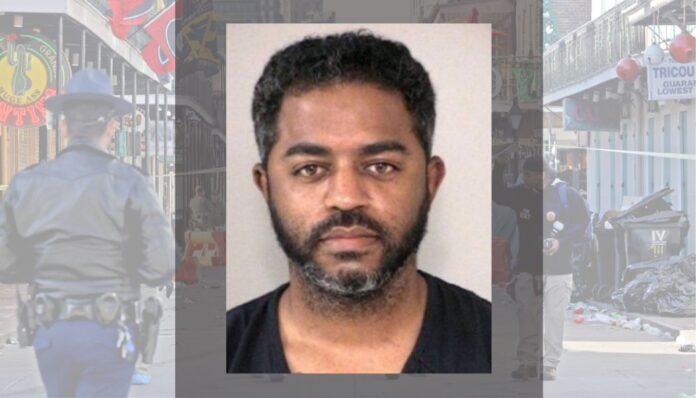
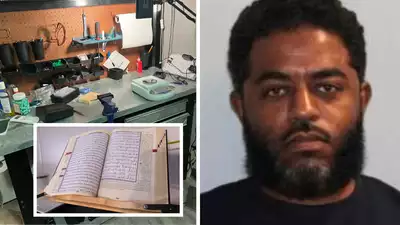
 Shamsud-Din Jabbar, a 42-year-old ISIS-inspired terrorist, left a chilling trail of evidence in his Texas trailer home, including a bomb-making workbench and a Quran open to a passage advocating violence in the name of Allah. Newly released details and photos shed light on the descent of this former U.S. Army staff sergeant and IT professional into extremism, culminating in the devastating attack on New Orleans’ Bourbon Street, which claimed 14 lives.
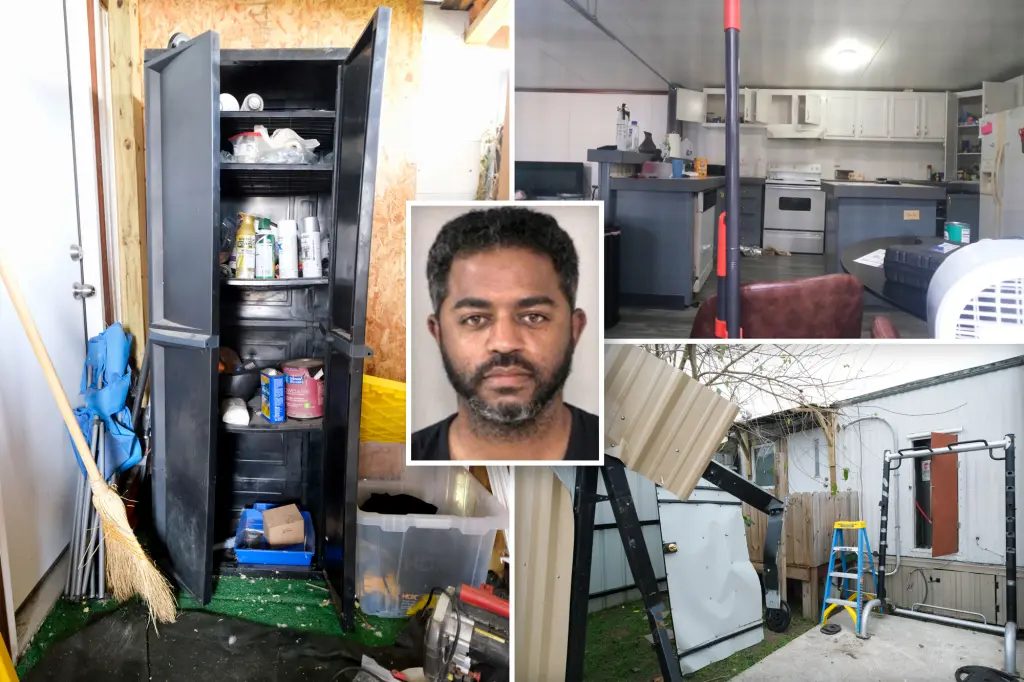 Disturbing Discoveries in Jabbar’s Home
Investigators revealed that Jabbar’s residence in north Houston was littered with chemical residues, bomb-making materials, and various compounds. A Quran was found propped open to Verse 9:111, which describes fighting and dying for Allah’s cause as a sacred obligation, promising eternal paradise in return. Books on Islam and a rolled-up prayer rug were also discovered near the bomb-making setup, painting a portrait of ideological preparation.
Prelude to Carnage
On January 2, 2025, the FBI confirmed that hours before his attack, Jabbar posted five videos on Facebook during his drive from Houston to New Orleans. In one video, he confessed to initially planning to kill his family and friends but reconsidered, fearing such actions would detract from his intended message of a “war between believers and disbelievers.”
In another video, Jabbar declared allegiance to ISIS, stating he had joined the group months earlier. He also displayed his last will and testament, cementing his ideological alignment with the terrorist organization.
 Bourbon Street Attack
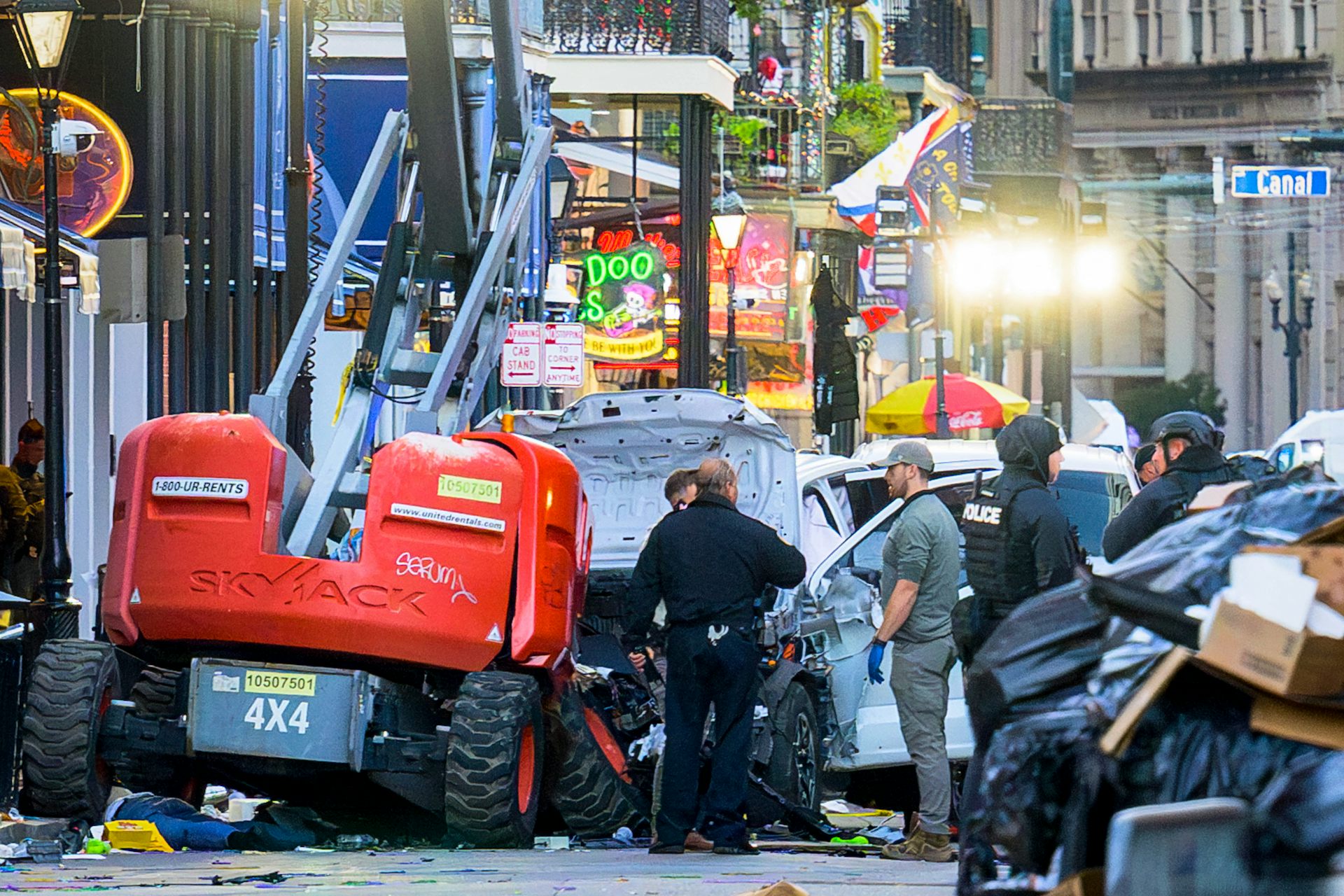
Jabbar’s horrifying act of terror unfolded when he drove an explosive-laden Ford F-150 truck, bearing the ISIS flag, into the heart of Bourbon Street. The attack left 14 people dead and dozens injured. Officials have yet to fully unravel the factors behind his radicalization but confirmed his allegiance to ISIS and his deliberate targeting of the iconic New Orleans destination.
From Promising Career to Radicalization
Jabbar’s life trajectory showcased significant achievements before his descent into extremism. Born in Texas, he enlisted in the Army in 2006 and served in Afghanistan for 11 months in a non-combat role. Rising to the rank of staff sergeant by 2013, he left active duty in 2015 after disciplinary issues and later earned an honorable discharge as a reservist.
Jabbar transitioned to civilian life with a promising career in IT, earning substantial salaries at top consulting firms, including Accenture, EY, and Deloitte. Despite professional success, his personal life unraveled. Two failed marriages, custody battles, and mounting financial debts added to his instability.
Family’s Reaction
Jabbar’s younger brother, Abdur Jabbar, expressed disbelief at his sibling’s transformation. “This is more some type of radicalization, not religion,” he told the New York Times, describing Shamsud-Din as previously kind and intelligent.
Ongoing Investigation
Authorities continue to investigate the factors that drove Jabbar’s radicalization. While his career and personal struggles likely contributed to his vulnerability, the precise catalysts for his allegiance to ISIS remain unclear.
This tragic case underscores the complex interplay of personal and ideological factors in the making of a domestic terrorist and raises critical questions about intervention strategies to prevent similar acts of violence.