

 Stakeholders Unite to Drive Safer, Smarter and Sustainable Transport Across Nigeria
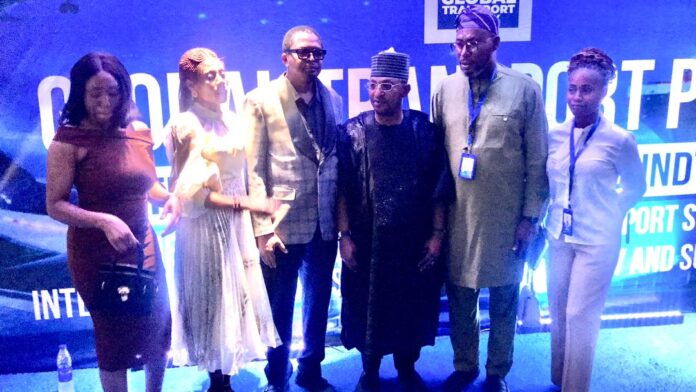
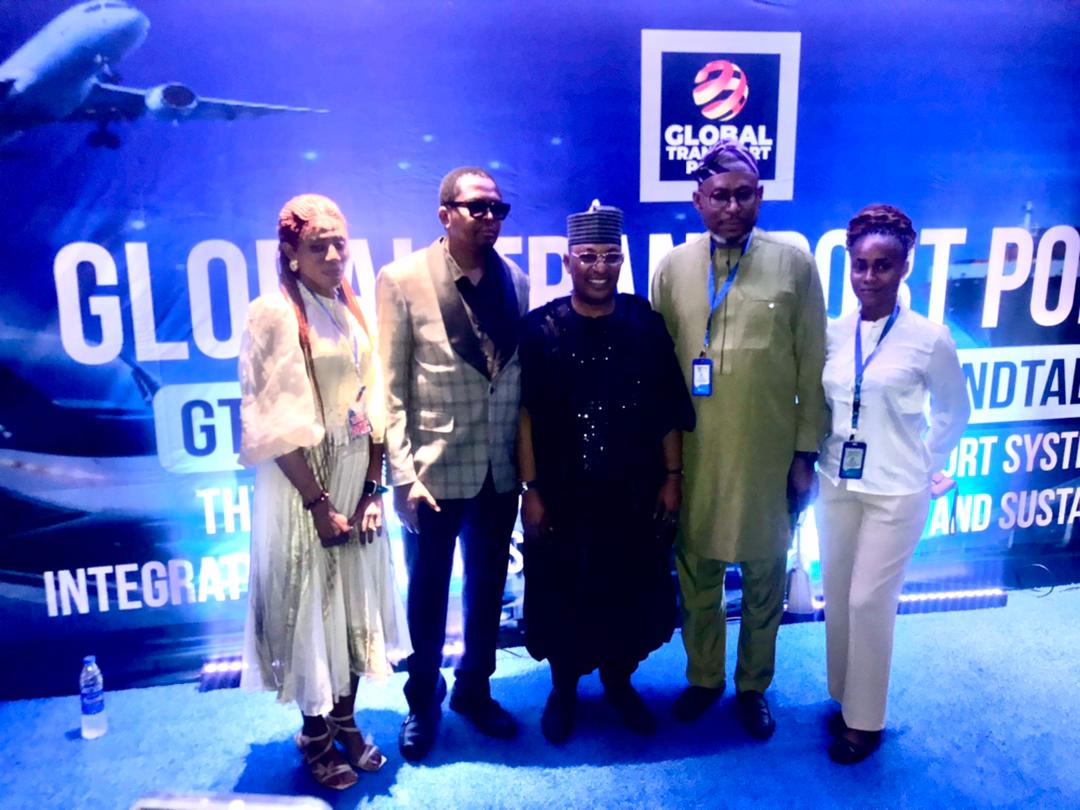
LAGOS, NIGERIA – The urgent need to modernize Nigeria’s transportation ecosystem took centre stage as policymakers, transport regulators, logistics professionals, infrastructure experts, and private sector operators converged in Lagos for the Global Transport Policy (GTP) Annual Multimodal Roundtable.
The high-level conference, themed “Transforming Nigeria’s Transport System: Integrating Solutions for Safety, Efficiency and Sustainability,” served as a strategic platform for charting practical pathways towards building an integrated, technology-driven and environmentally sustainable transport network capable of supporting Nigeria’s growing economy.
Participants agreed that improving connectivity across road, rail, waterways and air transport remains critical to unlocking national productivity, reducing logistics costs, enhancing public safety and attracting greater investment into Nigeria’s transport sector.
 Lagos Sets the Pace in Integrated Transportation
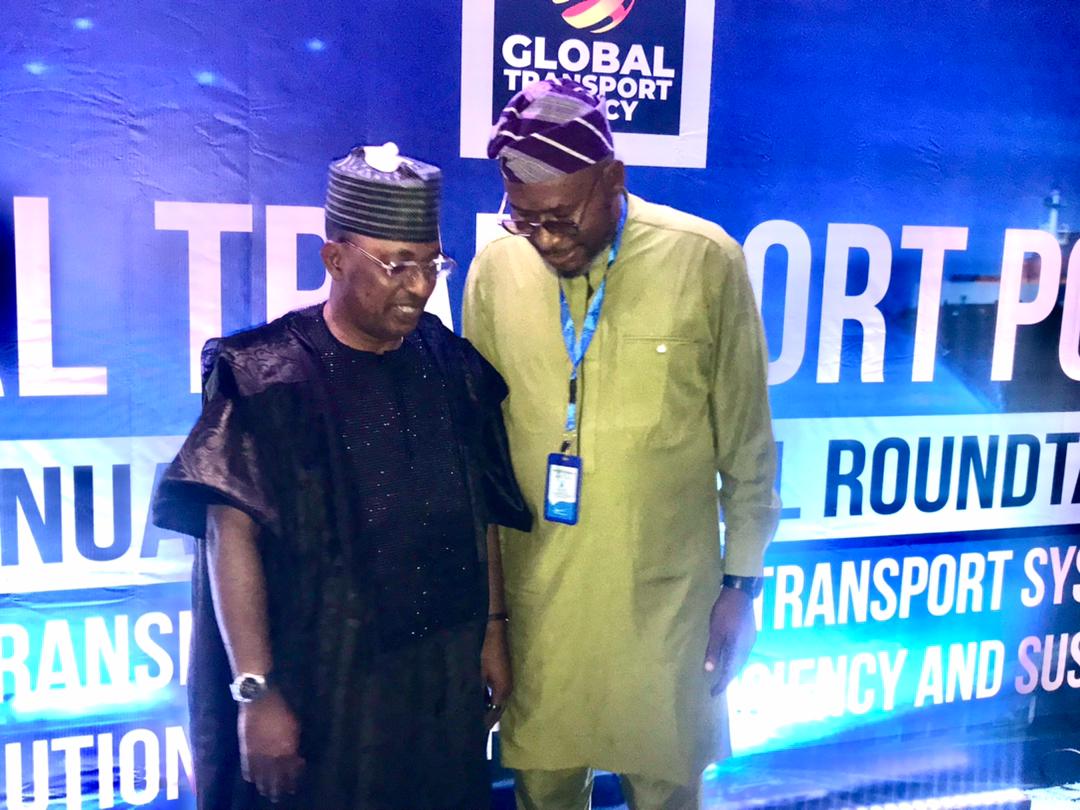
Delivering the keynote address on behalf of the Governor of Lagos State, the Managing Director of the Lagos Metropolitan Area Transport Authority (LAMATA), Mr. Abimbola Akinajo, highlighted the state’s remarkable progress in creating one of Africa’s most integrated urban transport systems.
According to him, Lagos State has continued to invest heavily in road infrastructure, rail transportation, water transportation, bus rapid transit systems and smart mobility initiatives designed to improve accessibility and reduce commuting time for millions of residents.
He said the government’s long-term vision is to establish a seamless multimodal transport system where different modes of transportation complement one another.
“Transportation is the backbone of economic development. Lagos State remains committed to building an integrated, safe, efficient and sustainable mobility system that meets the needs of our rapidly growing population while supporting commerce and improving quality of life.”
Akinajo added that future transport investments would prioritize innovation, digital technology, environmental sustainability and stronger institutional collaboration.
Collaboration Remains the Key to National Transport Reform
Earlier in his welcome address, the Chairman and Chief Consultant of Global Transport Policy (GTP), Hon. Dr. Olusegun Musa, stressed that Nigeria’s transport challenges cannot be solved in isolation.
He urged government agencies, transport operators, professional bodies, investors and development partners to deepen collaboration in designing policies capable of transforming transportation into a catalyst for national economic growth.
According to him, integrated transport planning has become imperative as Nigeria experiences increasing urbanization, population growth and expanding commercial activities.
 “No single institution can transform Nigeria’s transport sector alone. Success depends on strategic partnerships, innovative thinking, effective regulation and shared responsibility among all stakeholders.”
He noted that the annual GTP Multimodal Roundtable continues to provide a credible platform for knowledge exchange, policy dialogue and practical solutions that strengthen Nigeria’s transport ecosystem.
Experts Advocate Innovation and Policy Consistency
Chairman of the occasion, Air Commodore (Rtd.) Ademola Onitiju, commended the Global Transport Policy initiative for sustaining meaningful conversations capable of influencing transport reforms across the country.
He observed that sustainable development requires transport systems that are reliable, affordable, environmentally responsible and accessible to every Nigerian.
Also speaking during the event, the President and Chairman of Council of the Chartered Institute of Logistics and Transport (CILT), Dr. Boboye Oyeyemi, emphasized that innovation, institutional reforms and effective implementation of transport policies remain indispensable to achieving sustainable mobility.
Drawing from decades of experience in transport management, Oyeyemi advocated greater adoption of technology-driven traffic management systems, improved logistics planning, enhanced road safety measures and stronger investment in transport infrastructure.
“An efficient transport system is one of the strongest drivers of economic competitiveness. Nigeria must embrace innovation, strengthen policy implementation and encourage sustainable transport practices if we are to compete effectively in the global economy.”
He further called for increased investment in logistics education, professional capacity development and digital transformation across the transport industry.
Transport Recognised as Engine of National Development
Discussions during various technical sessions focused on emerging trends in multimodal transportation, intelligent transport systems, climate-resilient infrastructure, logistics optimisation, public-private partnerships, road safety, urban mobility and sustainable financing.
Experts agreed that integrating road, rail, inland waterways and aviation operations would significantly improve freight movement, reduce congestion, lower transportation costs and stimulate inclusive economic development.
Many participants also advocated stronger enforcement of transport regulations, continuous stakeholder engagement and greater adoption of international best practices.
Outstanding Contributions Celebrated
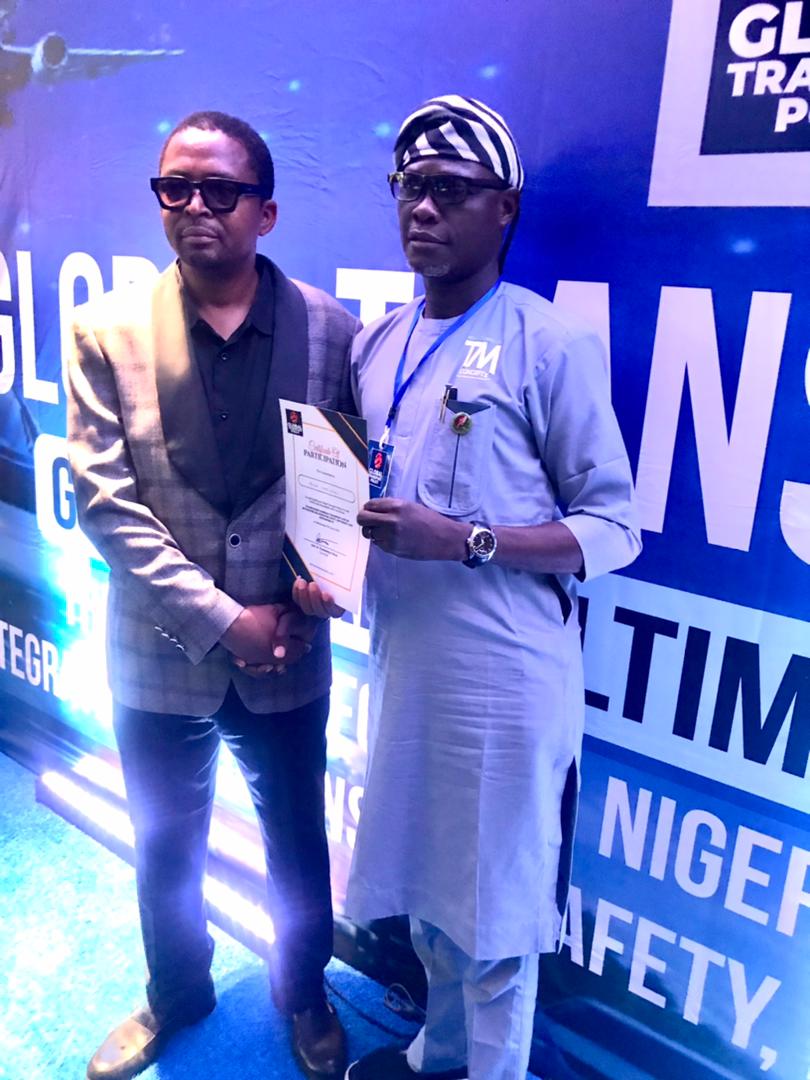
The conference concluded with the presentation of prestigious awards to distinguished individuals, institutions and organisations whose contributions have advanced transport development, logistics management, road safety advocacy and infrastructure innovation in Nigeria.
Award recipients were commended for demonstrating leadership, professionalism and commitment towards building a modern transport system capable of supporting Nigeria’s aspirations for economic transformation.
As Nigeria continues to pursue infrastructure expansion and economic diversification, stakeholders believe that integrated transport policies, sustained investments and stronger institutional partnerships will remain essential to achieving safer, more efficient and environmentally sustainable mobility.
The GTP Annual Multimodal Roundtable once again reinforced the importance of collaborative leadership in positioning transportation as a strategic driver of national prosperity, regional integration and sustainable development.