

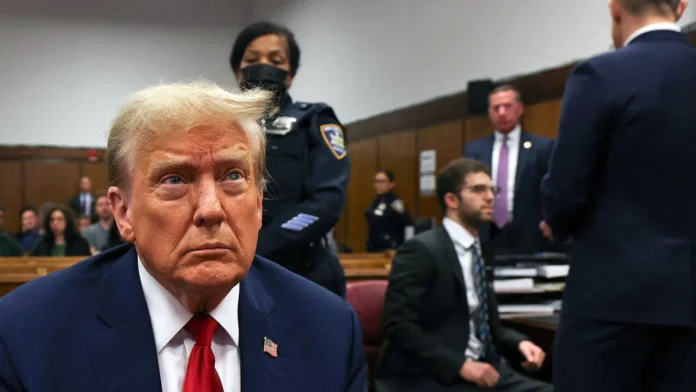
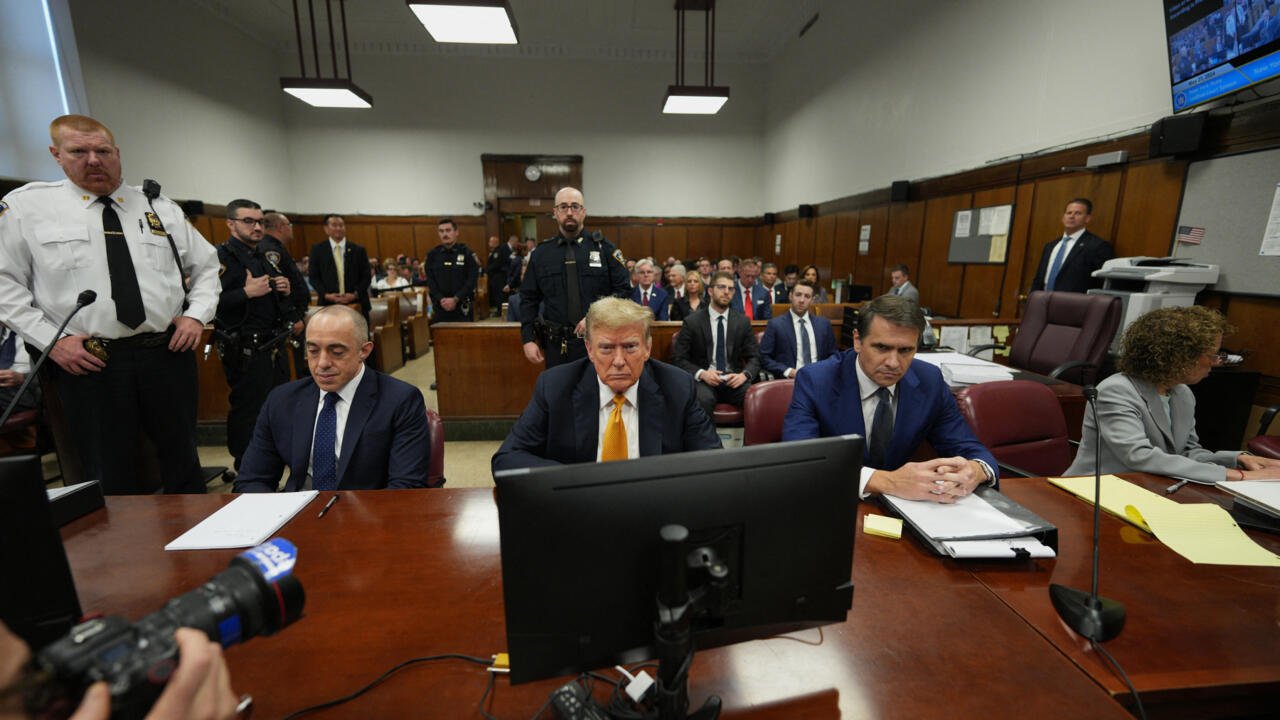
 Donald Trump, the President-elect of the United States, is set to be sentenced on January 10, 2025, just ten days before his inauguration, in a criminal case involving hush money payments to an adult film star. Justice Juan Merchan issued the ruling on Friday, January 3, rejecting Trump’s latest attempt to have the case dismissed due to his recent electoral victory.
Historic Conviction
In May 2024, a Manhattan jury convicted Trump on 34 counts of falsifying business records in connection with a $130,000 payment made by his former attorney, Michael Cohen, to adult film actress Stormy Daniels. The payment, made before the 2016 election, was intended to silence Daniels about an alleged sexual encounter with Trump, which he denies.
This marked the first time in U.S. history that a former or sitting president had been convicted of a criminal offense. Trump pleaded not guilty to all charges, calling the case a politically motivated effort by Manhattan District Attorney Alvin Bragg, a Democrat, to undermine his 2024 presidential campaign.
Sentencing Options
Justice Merchan indicated that an “unconditional discharge,” which would impose no jail time, fines, or probation, was the most practical outcome. This decision would resolve the case without placing further restrictions on Trump as he assumes office.
Merchan emphasized that dismissing the conviction outright would undermine the judicial system’s integrity. “Defendant’s status as President-elect does not require the drastic and rare application of the court’s authority to grant dismissal,” he wrote.
Prosecutors had suggested alternative approaches, including deferring sentencing until Trump leaves office in 2029 or noting the case as unresolved without affirming or reversing the conviction. These measures, they argued, could address concerns about distractions during Trump’s presidency while preserving the jury’s verdict.
Legal Challenges and Appeals
Trump’s legal team previously sought to dismiss the case on constitutional grounds, citing a U.S. Supreme Court ruling that presidents cannot be prosecuted for official actions. However, Justice Merchan ruled that the case pertained to “decidedly personal acts” and posed no threat to executive branch functions.
The court had initially scheduled sentencing for November 26, 2024, but the date was postponed indefinitely following Trump’s election victory.
Potential Penalties
Falsifying business records carries a maximum sentence of four years in prison, though incarceration is not mandatory. Legal experts believe Trump’s lack of prior convictions and advanced age make a prison sentence unlikely.
Other Legal Troubles
Trump faces additional legal challenges. In 2023, he was charged in three other cases:
- Classified Documents Case: Allegations of retaining sensitive materials after leaving office.
- 2020 Election Overturn Cases: Federal and Georgia state charges related to efforts to overturn his 2020 election loss.
Following his electoral victory, the Department of Justice dismissed the two federal cases. However, the state case in Georgia remains active.
Impact on Trump’s Presidency
The unprecedented nature of Trump’s conviction raises questions about how a sitting president can govern while grappling with ongoing legal challenges. His lawyers argue that the proceedings could impede his ability to lead effectively, though Justice Merchan dismissed this concern, affirming that the rule of law applies equally to all citizens, regardless of office.
The January 10 sentencing will mark a pivotal moment in American political and legal history as Trump prepares to take the oath of office under the shadow of criminal conviction.