

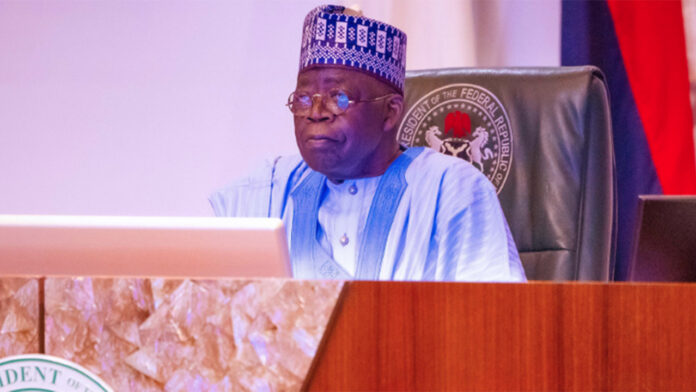
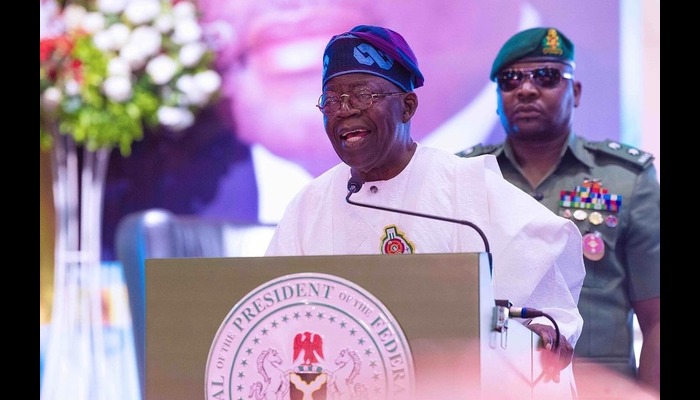
 In a decisive move aimed at fostering transparency and accountability within his administration, President Bola Ahmed Tinubu has ordered all ministers in his cabinet to submit comprehensive reports detailing their achievements, challenges, and overall performance in their respective ministries. This directive underscores the president’s commitment to good governance, efficiency, and the effective delivery of his administration’s promises to Nigerians.
A Call for Accountability in Governance
According to sources within the Presidency, the ministers have been instructed to provide detailed assessments of their portfolios, highlighting key initiatives undertaken since their appointment, milestones achieved, policy implementations, and obstacles encountered in their respective ministries. The directive is seen as part of a broader effort by the Tinubu-led administration to evaluate the impact of government programs and ensure that ministers are delivering on their mandates.
President Tinubu’s demand for accountability comes amid mounting concerns from the Nigerian public over economic hardship, inflation, security challenges, and other pressing national issues. Nigerians have increasingly taken to social media platforms such as X (formerly Twitter), Facebook, Instagram, and LinkedIn to voice their frustrations over the rising cost of living, fuel subsidy removal, and slow economic recovery. Many are calling for more proactive governance and real, measurable improvements in their daily lives.
Ministers on the Hot Seat: Public Reactions on Social Media
Following the announcement, social media has been abuzz with mixed reactions. Some Nigerians commend the president’s directive, arguing that it reflects his willingness to ensure ministers remain accountable and focused on their responsibilities. Others, however, remain skeptical, questioning whether the reports will lead to real change or merely serve as bureaucratic exercises.
A trending conversation on X features Nigerians tagging government officials, demanding transparency and tangible results:
“It’s time for the ministers to show what they have done so far. No excuses! We need real progress, not empty reports.” – @NaijaAdvocate
“President Tinubu is on the right track, but will there be consequences for underperforming ministers? That’s what we need to see.” – @ChiomaSpeaks
“This is not enough. The reports should be made public, and town hall meetings should be held so Nigerians can assess the performance of each ministry.” – @EzeUgochukwu
Meanwhile, some users on Facebook have questioned whether the move will bring about any meaningful improvement in governance, citing similar directives from past administrations that failed to yield significant results.
Potential Cabinet Shake-Up?
Political analysts believe that President Tinubu’s request for performance reports could signal an impending cabinet reshuffle. If any ministers are found to be underperforming, they could be shown the exit door as part of an effort to inject fresh energy into the administration.
Some reports indicate that a few ministers are already feeling the pressure, scrambling to compile data and present compelling justifications for their work. Insiders reveal that some ministries are rushing to complete pending projects and draft policies in a bid to avoid potential backlash.
What Next? Will the Reports Be Made Public?
One major concern among Nigerians is whether the performance reports will be shared with the public. Calls are growing for the government to release the findings in an accessible manner, allowing citizens to scrutinize the work of each minister and assess whether the government is truly delivering on its promises.
The coming weeks will determine whether President Tinubu’s directive will lead to increased transparency and improved governance or whether it will be another political exercise with little real impact. As Nigerians await the outcome, one thing is clear: the public is watching closely, and expectations are high.
Conclusion: A Test for the Tinubu Administration
President Tinubu’s directive is a crucial test of his administration’s commitment to accountability and performance-driven governance. While the move is a step in the right direction, Nigerians will be keenly observing the outcomes, hoping that it translates into concrete actions that improve their daily lives.
Will ministers rise to the occasion and prove their effectiveness, or will this be another bureaucratic exercise with no consequences? The answer lies in the coming weeks as the government reviews the reports and takes necessary actions.