
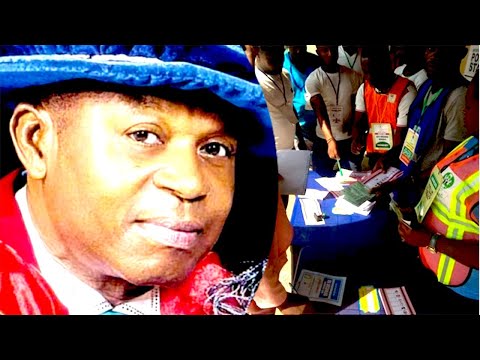
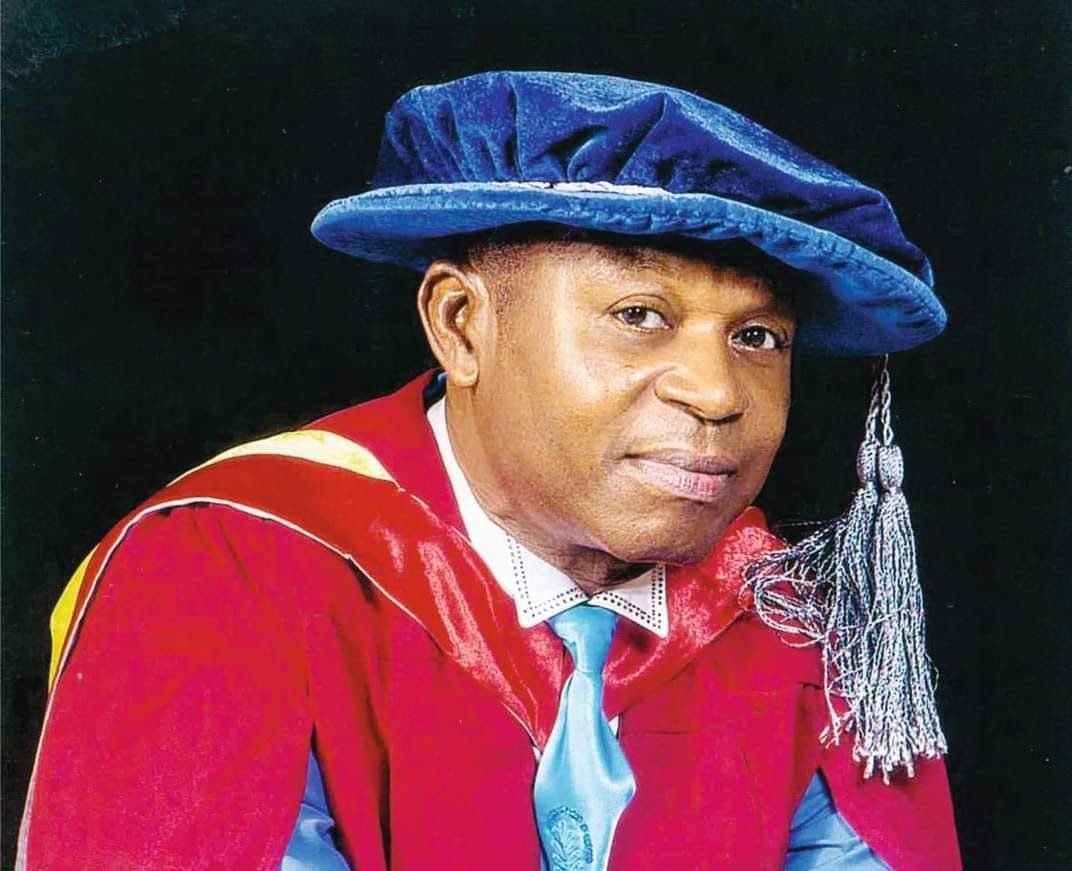
 In a significant ruling that underscores Nigeria’s efforts to curb electoral malpractice, the High Court sitting in Uyo, Akwa Ibom State, has sentenced Professor Ignatius Uduk of the University of Uyo (UNIUYO) to three years imprisonment for his role in election fraud during the 2019 general elections. The verdict, delivered by Justice Bassey Nkanang, marks a major win for the Independent National Electoral Commission (INEC) in its ongoing battle against vote manipulation and result falsification.
The Conviction: A Hard-Fought Legal Battle
Professor Uduk, a respected scholar in Human Kinetics, served as a Collation and Returning Officer for the Essien Udim State Constituency elections in March 2019. However, instead of upholding the integrity of the process, he was accused of announcing fabricated election results, publishing false information, and committing perjury under oath.
The case, prosecuted by INEC under the leadership of former Akwa Ibom Resident Electoral Commissioner (REC) Mike Igini, faced multiple delays, largely due to the defendant’s legal maneuvers. The trial initially suffered several adjournments, leading to a change in the presiding judge. Despite these setbacks, INEC persisted, determined to hold the professor accountable for his actions.
During the trial, the court found Professor Uduk guilty on two of the three charges:
- Count 2: Publishing and announcing fake election results
- Count 3: Perjury—lying under oath during official proceedings
While he was acquitted on Count 1 (abandonment of duty), Justice Nkanang sentenced him to three years imprisonment for each of the two remaining charges, to run concurrently.
A Precedent for Electoral Accountability
The sentencing of Professor Uduk follows the earlier conviction of another UNIUYO academic, Professor Peter Ogban, who was similarly found guilty of election fraud and sentenced to three years in prison in 2021. These convictions signal a shift in Nigeria’s electoral landscape, sending a strong message that individuals entrusted with election duties will face the full weight of the law if they engage in fraudulent activities.
Political analysts and civil society groups have hailed the ruling as a milestone in Nigeria’s democratic journey. On social media, hashtags such as #ElectoralJustice, #INECvsFraud, and #NigeriaDemocracy have been trending on X (formerly Twitter), Facebook, and Instagram. Many Nigerians have expressed both relief and frustration—relief that electoral offenders are being punished, but frustration that such cases remain too few and far between.
Public Reactions: A Divided Opinion
Social media reactions have been swift and polarizing. Some users argue that the punishment is too lenient, calling for longer jail terms and stricter electoral laws to deter future offenders. Others see this as a step in the right direction, emphasizing that the conviction of two professors in succession is an unprecedented move in Nigeria’s political history.
- On X (Twitter), prominent voices like activist Aisha Yesufu and journalist David Hundeyin have called for a broader crackdown on electoral fraud, urging INEC to go after high-profile politicians who benefit from result falsifications.
- On Facebook, political groups and civic organizations have used the case as a rallying point to demand greater election transparency ahead of the 2027 general elections.
- On LinkedIn, professionals and academics are debating the ethical implications of university lecturers participating in election rigging, with many calling for stricter vetting processes before appointing election officials.
What This Means for Future Elections
The conviction of Professor Uduk is seen as part of a broader strategy by INEC to restore public trust in Nigeria’s electoral system. Over the years, allegations of rigging, vote-buying, and result manipulation have tainted elections, leading to widespread voter apathy. If the judiciary continues to uphold electoral laws, it could deter potential offenders and encourage fairer elections in the future.
As Nigeria prepares for the next election cycle, the question remains: Will this conviction be a turning point in electoral integrity, or just another isolated case in a system plagued by impunity?
One thing is certain—Nigeria is watching.