
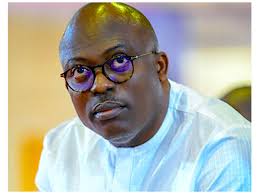
 In a recent escalation of political tensions in Rivers State, Governor Siminalayi Fubara was denied entry to the State Assembly Quarters in Port Harcourt on March 12, 2025, hindering his scheduled presentation of the 2025 Appropriation Bill.
Governor Fubara arrived at the assembly premises to fulfill a Supreme Court directive mandating the presentation of the budget to a duly constituted State Assembly. However, upon arrival, he found the gates locked and his communications with Speaker Martin Amaewhule unacknowledged. Expressing his frustration, Fubara stated, “I have made several attempts—by phone calls and through official letters—to reach the speaker and other members. But it is unfortunate that the gate is completely sealed, and there is no sign that anything is going to happen today.”
In response, the Rivers State House of Assembly refuted the governor’s allegations, labeling them as a “comedy skit scripted to paint the House in bad light.” Enemi George, the Assembly’s spokesperson, emphasized that the House had previously urged the governor to submit the appropriation bill promptly, highlighting their commitment to the state’s welfare despite ongoing disputes.
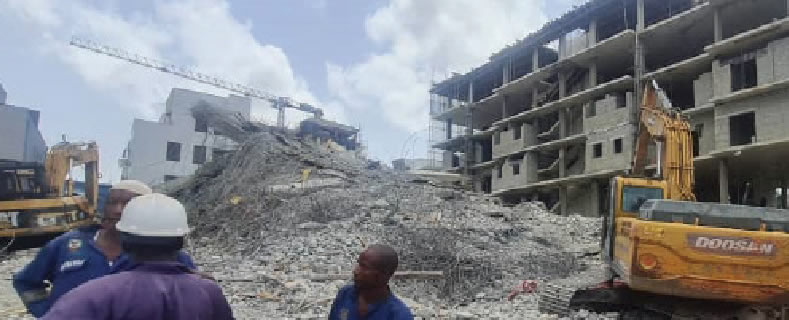
The discord traces back to a power struggle between Governor Fubara and his predecessor, now Minister of the Federal Capital Territory, Nyesom Wike. This rift has bifurcated the Assembly: 27 lawmakers align with Wike, while a minority supports Fubara. The demolition of the original assembly complex in December 2023 led the pro-Wike faction to convene at the Assembly Quarters, further complicating legislative proceedings.
Opposition lawmakers have condemned the actions of the pro-Wike faction, alleging attempts to destabilize the state and impede governance. They vowed to resist any plots to undermine the administration, emphasizing the importance of adhering to democratic principles and ensuring the timely passage of the budget.
The impasse poses significant challenges to Rivers State’s governance, particularly concerning budgetary approvals essential for public projects and services. Resolving this political deadlock is crucial to maintain governmental functionality and uphold democratic integrity in the state.