

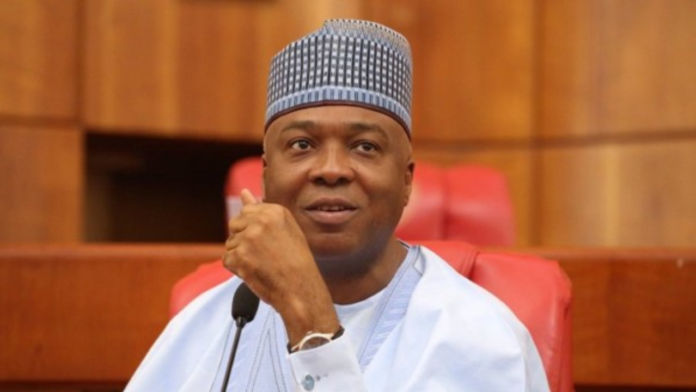
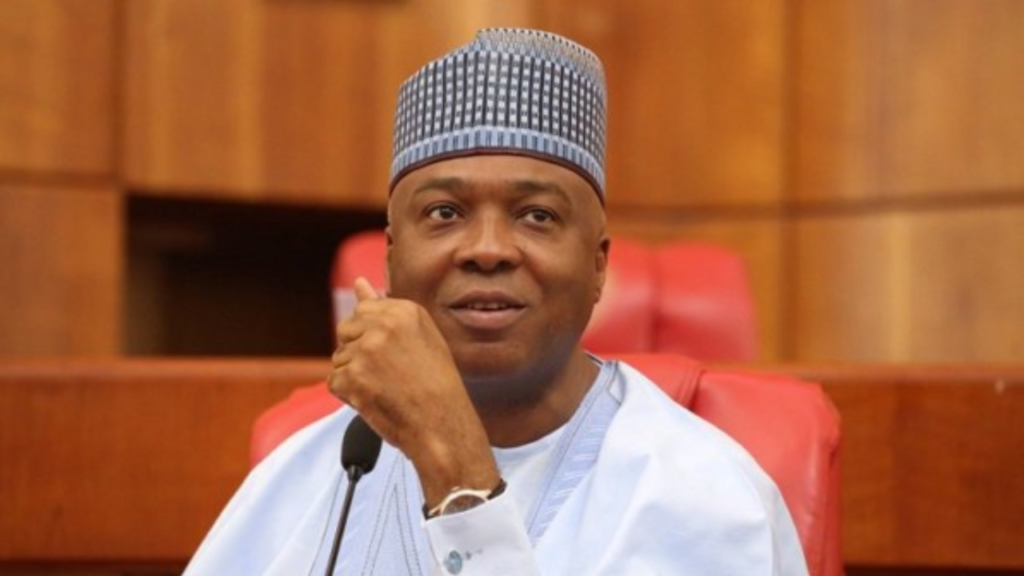
 Former Senate President Dr. Bukola Saraki has called on Nigerians living abroad to move beyond remittances and begin actively participating in the country’s political processes—especially through contesting elective positions. According to him, the diaspora community holds untapped potential that could significantly enhance Nigeria’s governance and development trajectory.
Speaking at a recent political dialogue hosted in Lagos, Saraki emphasized that the Nigerian diaspora, which contributes billions of dollars annually to the nation’s economy through remittances, should also wield influence in shaping the future of the country through direct political involvement.
“It is time for Nigerians in the diaspora to do more than send money home,” Saraki stated. “We need their voices, their experience, and their innovation in the political arena. Nigeria needs global minds with local hearts.”
Saraki argued that many Nigerians abroad possess vast experience in governance, technology, public policy, health, and education systems in more advanced countries. If given space within Nigeria’s political architecture, he believes they could introduce reforms, challenge entrenched systems, and elevate the quality of leadership.
He added that despite their distance from home, many members of the diaspora remain deeply committed to Nigeria’s progress and deserve a more structured pathway to participate in its politics, including constitutional amendments that enable diaspora voting.
The former Senate President also called on political parties to create platforms for diaspora inclusion—not just as campaign donors or observers, but as candidates and officeholders.
“We must remove the barriers that discourage diaspora participation in governance. Their exclusion weakens our democracy,” he added.
Saraki’s remarks come amid growing discourse on electoral reforms and constitutional restructuring, particularly regarding the enfranchisement of Nigerians abroad. The Independent National Electoral Commission (INEC) has previously acknowledged logistical challenges to implementing diaspora voting but has also expressed willingness to consider it as part of broader electoral reforms.
As Nigeria approaches the 2027 general elections, Saraki’s appeal may fuel ongoing conversations about the inclusiveness of the democratic process and the strategic role of the diaspora in national development.