
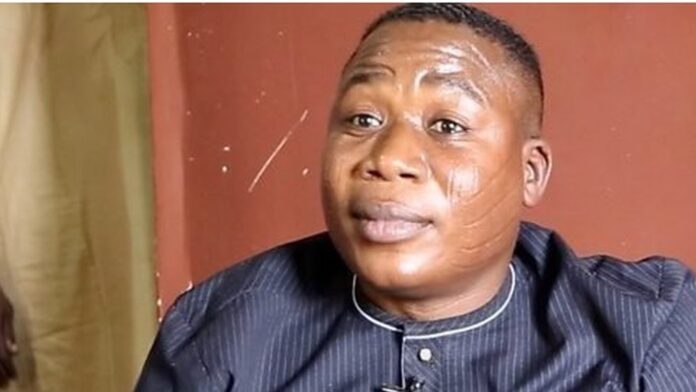
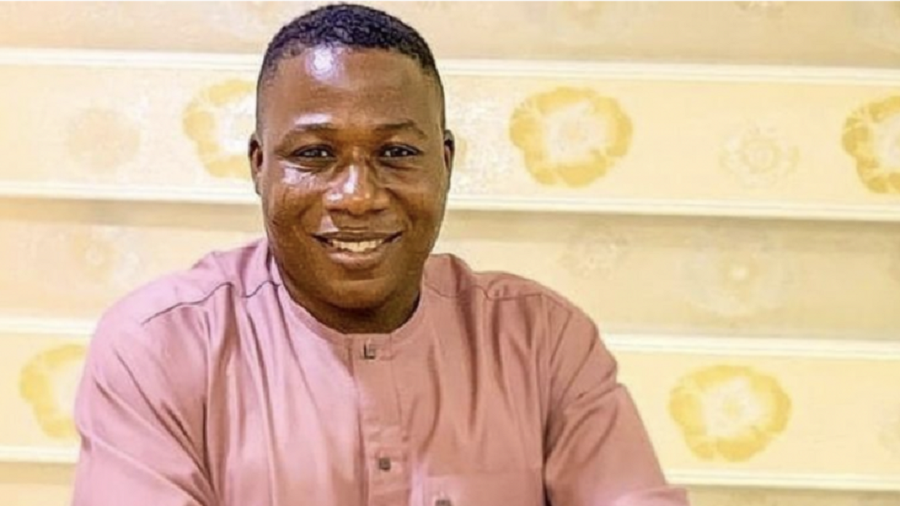
 Yoruba Nation activist, Chief Sunday Adeyemo, popularly known as Sunday Igboho, has escalated his legal battle to Nigeria’s Supreme Court, seeking to overturn a Court of Appeal decision that nullified the ₦20 billion damages previously awarded to him.
Background of the Case
In the early hours of July 1, 2021, operatives from the Department of State Services (DSS) conducted a raid on Igboho’s residence in Ibadan, resulting in the deaths of two individuals and significant property damage, including vehicles and other valuables. In response, Igboho filed a lawsuit against the DSS and the Attorney-General of the Federation (AGF) at the Oyo State High Court, alleging violations of his fundamental human rights. In September 2021, Justice Ladiran Akintola ruled in Igboho’s favor, awarding him ₦20 billion in exemplary and aggravated damages.
Court of Appeal’s Reversal
However, in August 2022, the Court of Appeal in Ibadan overturned this judgment. Justice Muslim Hassan declared the initial ruling illegal, describing the ₦20 billion damages as excessive. The appellate court held that the Oyo State High Court lacked jurisdiction over the matter and that the award was based on personal parameters without concrete evidence to quantify the losses.
Supreme Court Appeal
Dissatisfied with the appellate court’s decision, Igboho, through his counsel Yomi Alliu (SAN), filed an appeal at the Supreme Court on March 10, 2025. The suit, marked SC/CV/1436/22, outlines 19 grounds of appeal, consolidated into 11 key issues for determination. The defendants in the case include the AGF, the DSS, and the Director of the DSS in Oyo State.
Key Issues Raised
In the appeal, Igboho seeks clarification on whether his fundamental rights were breached, arguing that his case should be treated as a fundamental rights enforcement proceeding rather than a tort issue, as held by the lower court. He also questions the validity of the respondents’ brief filed past the stipulated deadline and whether his subsequent filing waived this lateness.
Public Reaction
The legal tussle has garnered significant attention on social media platforms. Supporters of Igboho view his Supreme Court appeal as a crucial step in seeking justice and addressing perceived governmental overreach. Conversely, others emphasize the importance of adhering to legal procedures and the rule of law, expressing concerns about the implications of the initial high damages awarded.
Implications
The Supreme Court’s decision on this appeal will have far-reaching implications for the enforcement of fundamental human rights in Nigeria, the accountability of security agencies, and the jurisdictional boundaries of state and federal courts. Legal analysts and the public alike are keenly awaiting the apex court’s ruling, which will set a precedent for similar cases in the future.
This development underscores the ongoing debates surrounding civil liberties, state authority, and the judiciary’s role in balancing these interests within Nigeria’s legal framework.