

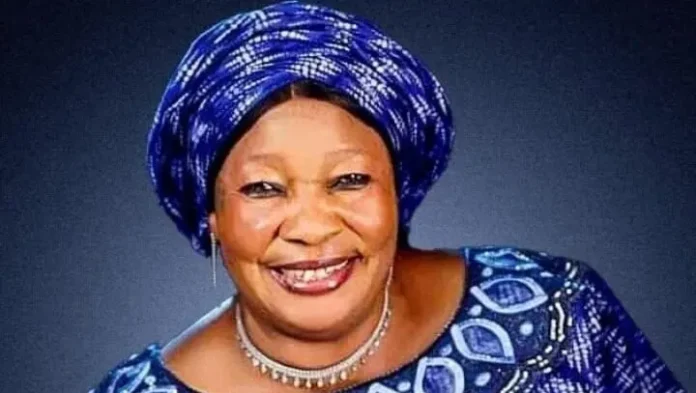
 The Federal Capital Territory (FCT) and the nation at large have been plunged into mourning following the sudden passing of Mrs. Grace Adayilo, the first female and indigenous Head of Service of the FCT. Affectionately known as “Mama Africa,” Adayilo reportedly passed away in the early hours of Monday, September 1, 2025, leaving behind a legacy of groundbreaking public service and inspirational leadership.
Her death was confirmed by Danladi Jeji, President of the Original Inhabitants Development Association of Abuja (OIDA), who had been collaborating closely with her on a project to celebrate the First Lady of Nigeria, Senator Oluremi Tinubu. “Mama Africa and I were planning to celebrate Her Excellency today,” Jeji shared mournfully. “Now, our creator has done it for us by calling Mama Africa home to be with the Lord.”
In a heartfelt tribute circulated among FCT stakeholders, Jeji added, “You have finished the race. You have done it. My heart is very, very heavy. The God Almighty who is all in all has called you to be with him.”
Lere Olayinka, Senior Special Assistant on Public Communications and Social Media to the FCT Minister, also confirmed her passing, noting that she “passed out early this morning.”
FCT Minister Nyesom Wike expressed profound sorrow, describing Adayilo’s death as “sad and unfortunate.” He highlighted her instrumental role in shaping the administration and her historic achievements as a trailblazer in the FCT bureaucracy.
Appointed by President Bola Tinubu on October 6, 2024, Adayilo shattered both gender and geographical barriers to become the first female and indigenous Head of Service of the FCT. Prior to this landmark appointment, she had served with distinction as the Permanent Secretary of the Agriculture and Rural Development Secretariat, where she earned a reputation for diligence, innovation, and unwavering commitment to grassroots development.
Her last official public appearance was on Thursday, August 28, when she represented Minister Wike at the G7 security meeting in Abuja—a fitting final chapter for a leader who dedicated her life to the service of her people and the stability of the nation’s capital.
Affectionately called “Mama Africa” for her maternal yet firm leadership style, Adayilo was widely respected for her advocacy for women in governance, her support for indigenous rights, and her efforts to institutionalize merit-based reforms within the FCT civil service.
Tributes have continued to pour in from colleagues, subordinates, and political leaders who admired her integrity, warmth, and historic contributions to the growth and administration of Abuja.
Her passing leaves a significant void in the FCT administration and the broader struggle for gender inclusivity and indigenous representation in Nigerian governance. She is survived by family members, colleagues, and a nation grateful for her service.