The Ogoni people have long endured the adverse effects of oil extraction, including severe environmental degradation, loss of livelihoods, and social injustices. In 2011, the United Nations Environment Programme (UNEP) released a report highlighting the extensive pollution in Ogoniland and recommending a thorough cleanup. Despite the flag-off of the cleanup process in 2023, progress has been slow, and many of the UNEP’s recommendations remain unimplemented.
In response to the government’s recent announcement to resume oil drilling, over 20 environmental groups, including Environmental Rights Action/Friends of the Earth Nigeria (ERA/FoEN), Health of Mother Earth Foundation (HOMEF), and the Ogoni Solidarity Forum, have issued a joint statement demanding a halt to the planned activities. They argue that proceeding with oil extraction without addressing the existing environmental issues would exacerbate the suffering of the Ogoni people and undermine efforts toward sustainable development and environmental justice.
The groups have outlined several key demands:
- Immediate Suspension of Oil Drilling: A call for the government to halt all plans to resume oil extraction in Ogoniland until meaningful consultations with local communities are conducted.
- $1 Trillion Commitment for Cleanup and Compensation: They demand a substantial financial commitment to address the environmental damage and compensate the affected communities.
- Full Implementation of UNEP Recommendations: A call for the complete execution of the UNEP report’s recommendations, including comprehensive environmental remediation and restoration of livelihoods.
- Justice for Past Injustices: They seek justice for the Ogoni people, including the exoneration of environmental activists like Ken Saro-Wiwa, who was executed in 1995, and the return of confiscated memorials.
The environmentalists’ stance is supported by concerns over the legacy of oil companies in the Niger Delta. International oil corporations, such as Shell, have faced criticism for environmental degradation and human rights violations in the region. As these companies divest from onshore operations, questions arise about the capacity of local entities to manage the complex environmental issues left behind.
The Nigerian government’s response to these demands remains to be seen. However, the call for a balanced approach that prioritizes environmental restoration and community well-being alongside economic interests is gaining momentum among civil society organizations and local community well-being alongside economic interests is gaining momentum among civil society organizations and local communities.

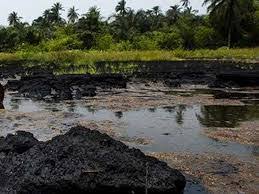
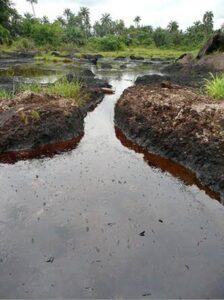 Environmental organizations in Nigeria have strongly opposed the government’s plan to resume oil production in Ogoniland, a region in Rivers State known for its significant oil reserves and environmental challenges. They are calling for a suspension of drilling activities until comprehensive negotiations with local communities are conducted and a substantial commitment to environmental remediation is secured.