 Abuja, Nigeria – March 11, 2026 – Daniel Bwala, Special Adviser to President Bola Ahmed Tinubu on Policy Communication, has accused international news network Al Jazeera of selectively editing his recent interview, alleging that the cuts created a misleading narrative that fueled incorrect opinions about him on social media .
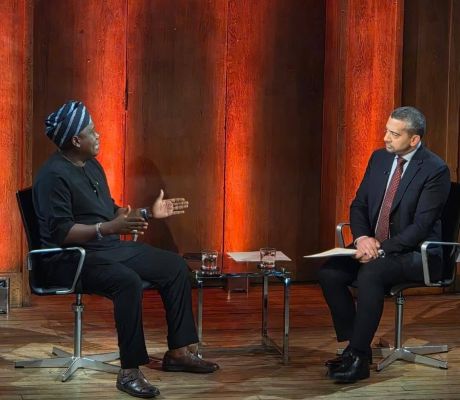
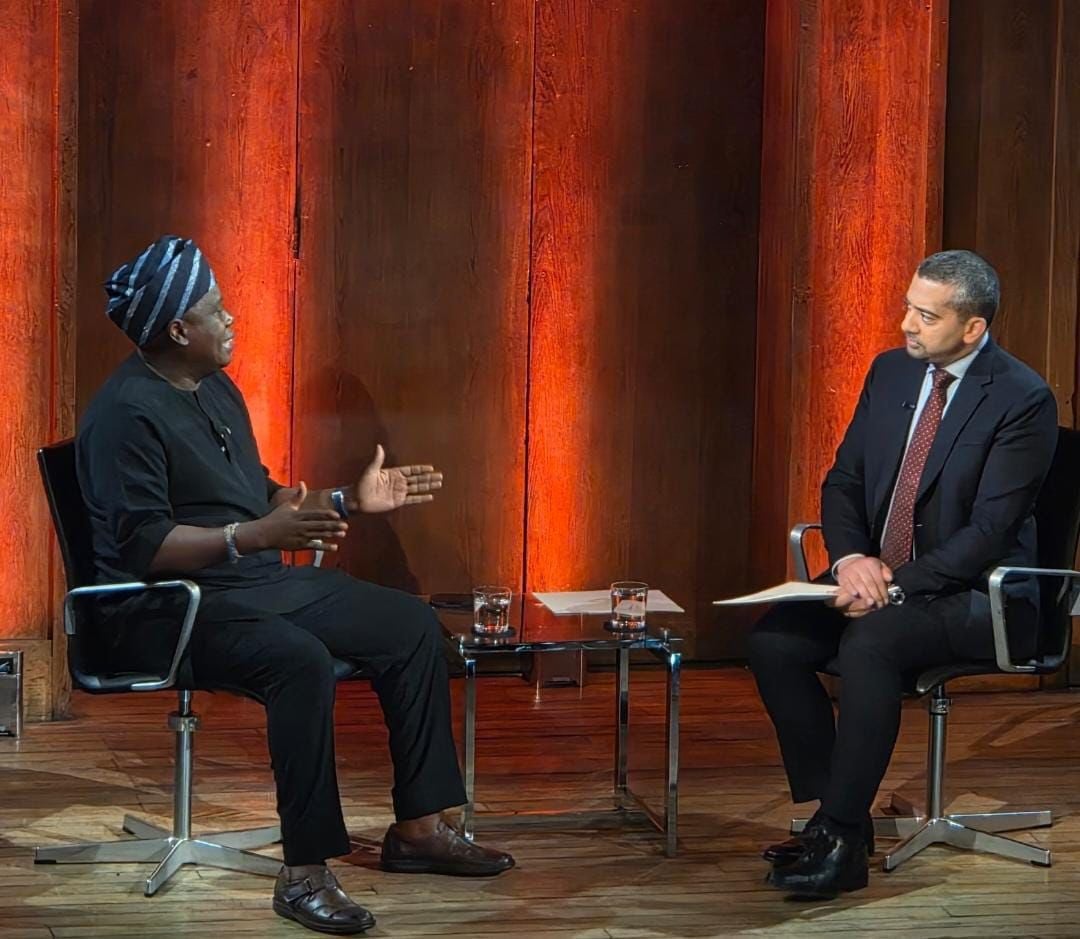
The interview, titled “Head to Head with Daniel Bwala” and anchored by Al Jazeera journalist Mehdi Hasan, was published on March 5, 2026, and quickly drew widespread backlash from Nigerians who described Bwala’s appearance as embarrassing to the nation . The programme was meant to examine the performance of President Tinubu’s administration under the theme “Nigeria: ‘Renewed Hope’ or ‘Hopelessness’?” .
Bwala’s Allegations of Selective Editing
Speaking on the controversy, Bwala claimed that the network edited out nearly 20 minutes of the conversation, removing crucial context that would have balanced the narrative .
“There is a fact that was incorrectly portrayed and has formed the basis of many opinions online, which was unfortunately pushed by Al Jazeera. I asked them to put the record straight,” Bwala said .
He explained that the interview was conducted on February 11, 2026, and was originally intended to last one hour and 20 minutes. “The interview was conducted properly. Questions were asked, and I answered them. I didn’t deny anything,” Bwala noted .
However, he claims that when Al Jazeera uploaded the interview on March 5, only 49 minutes of the conversation were included. “They later produced an 8-minute version that joined and cut parts of the interview in a way that emphasized certain points while leaving out crucial context,” he added .
Broken Promise to Air Full Interview
According to Bwala, the network had initially promised to air the full interview on television before uploading it online . He alleged that Al Jazeera used ongoing global events as an excuse for the omission.
“Their excuse was that trending matters around Israel, Iran, and the US affected the airing. But even so, they went ahead and uploaded the edited version on YouTube,” Bwala said .
He insists that the full video should be published to provide proper context. “It’s very important that they publish the full video,” he stated .
Background: The Controversial Interview
The interview itself had already generated significant controversy before the editing allegations emerged. During the programme, Hasan confronted Bwala with several past statements he had made while in the opposition, when he was aligned with the presidential campaign of former Vice-President Atiku Abubakar .
Hasan referenced a January 22, 2023, comment in which Bwala allegedly accused Tinubu of creating a militia to influence the election. “You said Tinubu started a militia to sway the election corruptly,” Hasan put to Bwala .
“Tinubu didn’t create a militia, and I never said that,” Bwala responded .
The interviewer also cited another past claim suggesting suspicious cash movements into Tinubu’s residence during an election, which Bwala also denied making . When confronted with clips circulating on social media in which Bwala previously alleged that Tinubu or people linked to him had threatened him, Bwala again insisted, “I never said that” .
The exchange became tense at several points, with Hasan openly expressing frustration over what he described as Bwala’s lack of preparation, at one point calling him “lazy and idle” over his responses .
Bwala’s Defence: “It’s All Politics”
Responding to the backlash in a statement shared via X, Bwala said the surge of social media discussion had prompted him to clarify his position . He maintained that he accepted his role in the administration fully aware that it involved defending government policies in difficult forums.
“When I signed on to the privileged job granted to me by Mr. President, I was well aware of its implications… I am prepared to appear before any interviewer, anywhere in the world, any day and at any time, to defend this government and its policies,” he said .
Addressing questions about his past criticism of Tinubu, Bwala argued that his earlier remarks were made when he was in the political opposition and should be viewed in that context .
“It is all politics,” he said, noting that several figures in other governments — including members of Donald Trump’s cabinet — had previously criticised the leaders they later served .
Questions About Interview Preparation
A central issue raised during the interview was Bwala’s preparedness. Throughout the conversation, Hasan confronted Bwala with statistics and reports on Nigeria’s economy, insecurity, and corruption. When asked about some of these figures, Bwala said he was not aware of them .
Surprised, Hasan then asked a simple question: if he had spent months preparing for the interview, as he said, what exactly did the preparation involve? That question set the tone for much of the subsequent criticism .
Bwala, however, countered that the programme’s producers had initially told him the discussion would focus on government policies such as security, corruption, and the economy. He claimed he was not informed that his past political statements would be brought up .
“Nowhere in our almost six months of communication did they mention that they were going to challenge my past,” Bwala said, arguing that if that had been the intention, the programme should have informed him so he could prepare a proper response .
Criticism from Public Figures
The interview drew sharp criticism from several prominent Nigerians. Former Deputy Governor of the Central Bank of Nigeria, Kingsley Moghalu, described Bwala’s appearance as “a disaster of gargantuan proportions for Nigeria as a country, for President Tinubu’s administration, and for Bwala himself” .
Moghalu argued that the interview portrayed Nigeria poorly on the global stage, given the international reach of the programme and the presence of a live global audience .
“It was a sad commentary on Nigeria’s political culture in which there are no beliefs, no policies, no ideology, just crass opportunism and the battle for political power. Turn-coatism is ‘it’,” Moghalu said .
Arise Television host Rufai Oseni also criticised Bwala, accusing him of selectively presenting facts during the interview and maintaining that individuals who play opposition roles must rely on verifiable facts .
“Bwala came back to fact-check him (Mehdi) and said he was wrong. Like I said, maybe Mehdi didn’t do his job well because there were so much. How will he (Bwala) explain ‘Even if you give Tinubu 30 years, nothing will work’. Then it goes on like that. And that’s why I say people doing opposition should stick to the facts, empirical facts,” Oseni said .
Mixed Reactions Online
The interview and Bwala’s subsequent reaction have triggered mixed responses from Nigerians online . While some supporters praised him for accepting a tough international interview to defend the government, critics argued that the questions about his past comments were legitimate and part of normal journalistic scrutiny .
Despite the controversy, Bwala insisted he holds no personal grievance against Hasan, describing him as “arguably the best debater on the planet” and expressing interest in a follow-up appearance .
“I look forward to part two of the Head-to-Head interview,” he said, adding that he hoped future discussions would focus more on the administration’s policies and achievements .
As of the time of this report, Al Jazeera has not responded to Bwala’s allegations of selective editing or his demand for the release of the full interview footage.