

 In the scarred and weary landscapes of Katsina State, where the memory of violence is a fresh wound, a delicate peace pact was woven just weeks ago—a fragile thread of hope intended to bind the wounds of a region long terrorized by banditry.
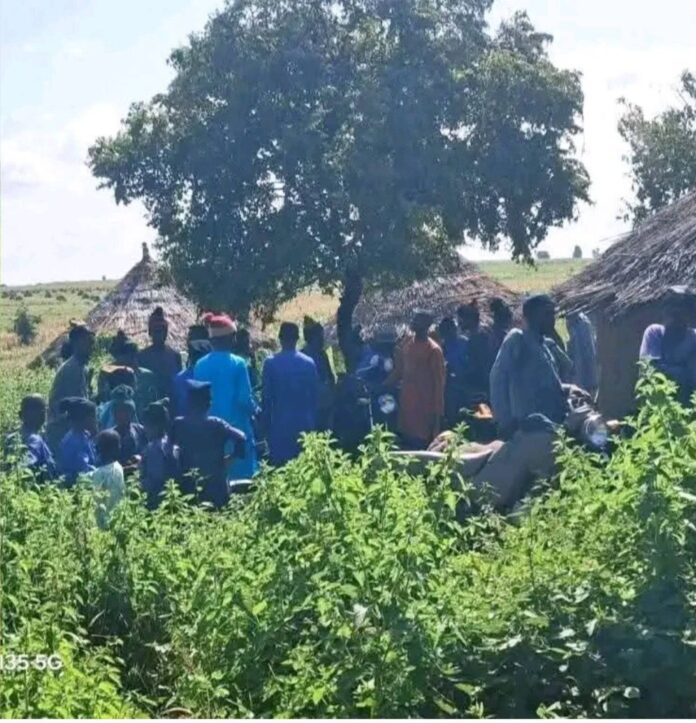
Yet, that thread now threatens to unravel under the weight of a controversial celebration. A deep and palpable tension is brewing, ignited by reports that the Chairman of Sabuwa Local Government Area, Engr. Sagir Tanimu, journeyed deep into the forest to attend the wedding ceremony of children belonging to the very leaders of the armed bandit groups.
This event, held in the secluded village of Kadawan Dandume, was described by some as an extension of the government’s reconciliation efforts, a bold attempt to build trust and restore calm through personal connection.
The Chairman was not alone in this forest conclave; he was accompanied by the resonant authority of traditional institutions—the Prince of Kogo Emirate, Alhaji Ibrahim Bello Kogo, and the District Head of Sabuwa. Together, they mingled with Fulani residents, their presence intended to symbolize a bridge across a chasm of conflict.
 However, this symbolic gesture has curdled into a source of public outrage, leaving a bitter taste for many residents and analysts who view it as a profound misstep. The central, agonizing question being asked across communities is one of appropriateness and timing: how can one break bread and celebrate with armed actors who have yet to formally renounce violence, dismantle their networks, or surrender their weapons?
For critics, the image of government officials and traditional rulers sharing a festive moment with bandit leaders sends a chilling message to the countless victims of kidnappings and violent attacks, potentially undermining the very credibility of the peace initiative.
The critics’ argument is rooted in a stark logic: true and sustainable reconciliation cannot be built on symbolic gestures alone. It must be predicated on the unyielding foundations of disarmament and a verifiable abandonment of criminal activities. There is a growing fear that such high-profile fraternization without firm, prior commitments does not pacify the perpetrators but emboldens them, reinforcing their sense of impunity and leverage over the state.
This wedding controversy casts a long shadow over the Katsina peace pact, a deal designed to reduce hostilities and open dialogue in the troubled local government areas of Sabuwa, Dandume, and Faskari.
Its timing is particularly damning, as reports of sporadic attacks and abductions continue to trickle in from parts of the state, each incident a stark reminder that the truce is, at best, precarious.
The celebration in the forest, therefore, stands as a deeply polarizing tableau—seen by its architects as a necessary dance of diplomacy, but perceived by its critics as a dance on the graves of the unresolved, a performance that may have sacrificed moral clarity for an elusive and uncertain peace.