
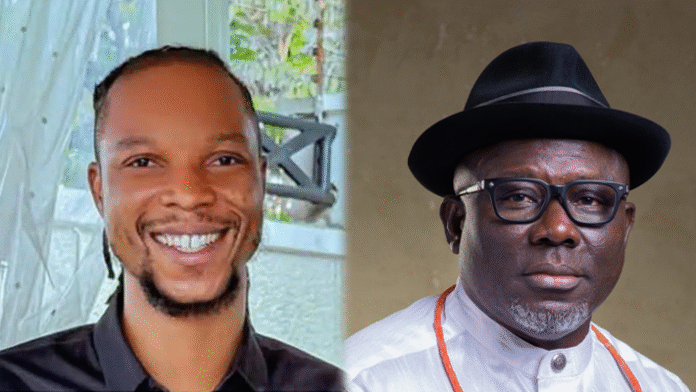
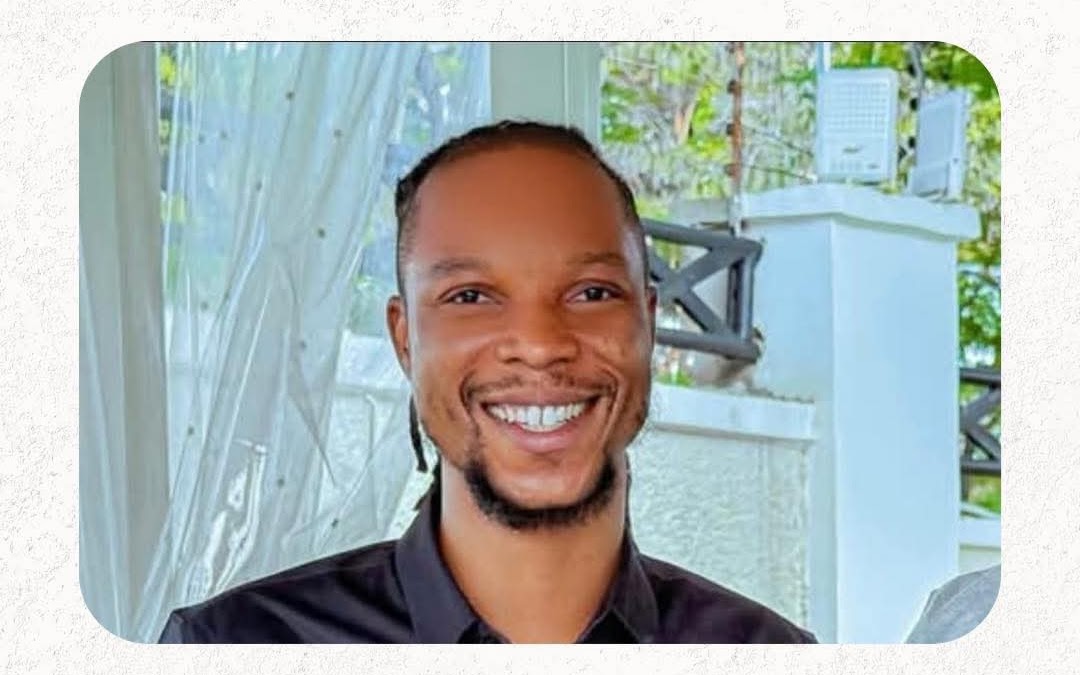
 The Delta State Police Command has formally filed criminal charges against prominent activist and journalist Fejiro Oliver, setting the stage for a high-stakes courtroom battle over press freedom and political criticism.
The charges, centered on allegations of cyberstalking Governor Sheriff Oborevwori and Senator Ede Dafinone, stem from a series of pointed Facebook posts published by Oliver, which the state authorities have deemed defamatory and injurious.
The case, filed at the Delta State High Court in Asaba, leverages Section 24(2)(c) of the controversial Cybercrime (Prohibition, Prevention, etc.) Act of 2015—a legal provision increasingly criticized by local and international rights groups as a tool for silencing dissent.
According to the prosecution’s filings, Oliver used his personal Facebook page between July and August 2025 to publish what they describe as “false and injurious” statements aimed at tarnishing the governor’s reputation. These posts allegedly accused Governor Oborevwori of embarking on a secret trip to Brazil, awarding inflated contracts to political allies for election manipulation, and spending millions on trips to China that failed to attract tangible investment.
One post quoted in the charge sheet labeled the governor “a sleeping governor who rigged elections.”
In a separate count, the journalist faces similar charges for his critical commentary on Senator Ede Dafinone. The police allege that between May and July 2025, Oliver cyberstalked the senator by mocking him with epithets such as “sleeping senator,” “POS senator,” and “scammer in NASS.”
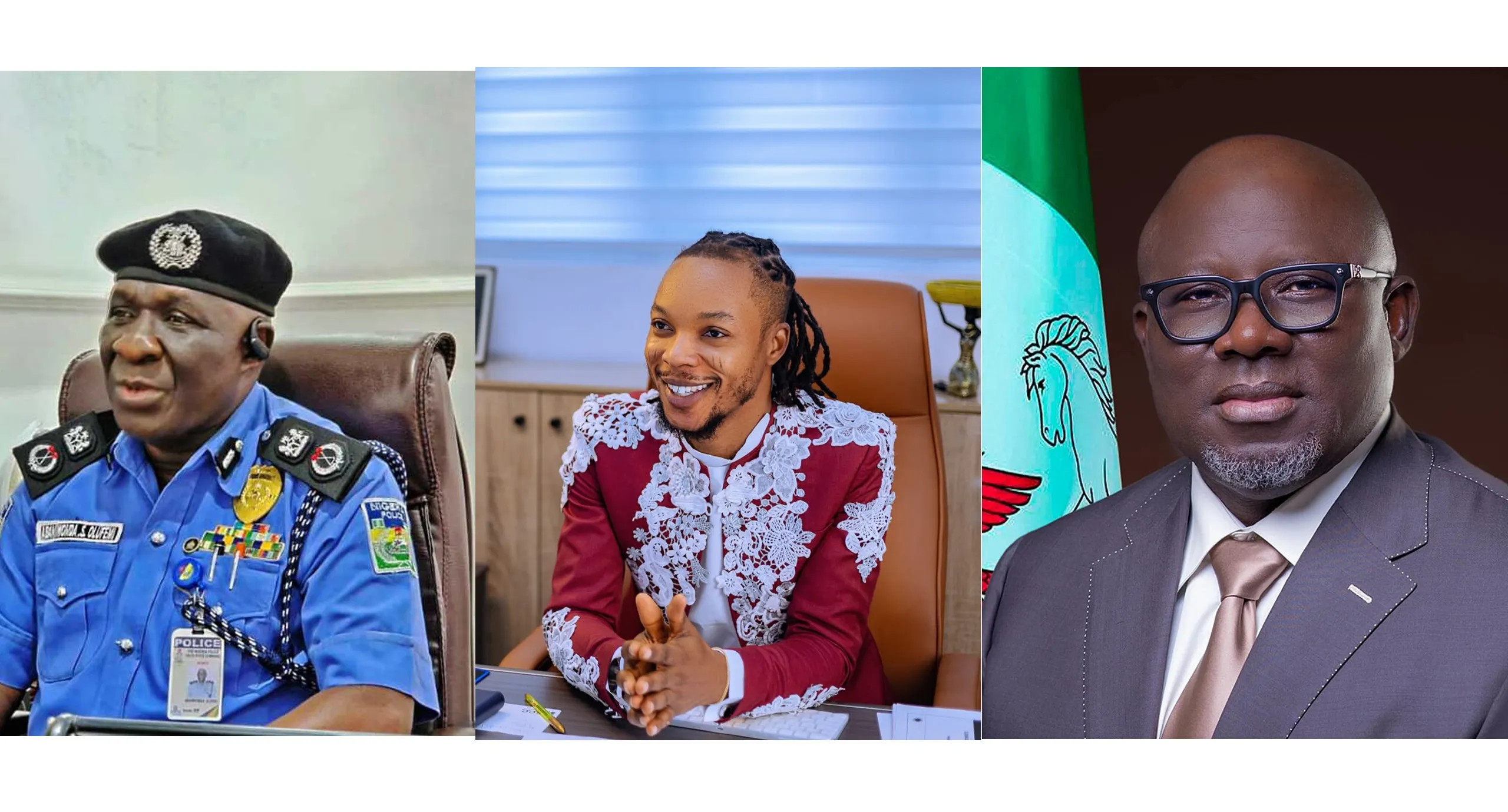 The charge sheet further claims the journalist accused Dafinone of hoarding school buses and transformers meant for his constituents, assertions the prosecution argues were made “with intent to cause annoyance, inconvenience, danger, or insult.”
The development follows Oliver’s reported arrest in Abuja in September and subsequent transfer to Asaba, underscoring the determined effort to pursue the case.
With the matter now assigned to a High Court in Asaba, Oliver is expected to take his plea in the coming days.
This prosecution has ignited fresh, urgent conversations about the delicate balance between protecting individual reputation and safeguarding the fundamental right to free speech and press freedom in Nigeria, with many observers warning of a dangerous precedent if the Cybercrime Act continues to be used to criminalize journalistic criticism and political commentary.