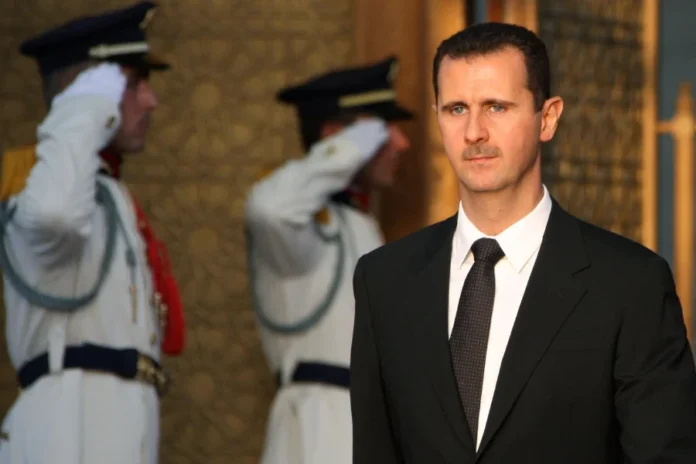
 Former Syrian President Bashar al-Assad has arrived in Moscow with his family after being granted asylum by Russia on humanitarian grounds, a Kremlin source revealed on Sunday, December 8. The source also confirmed that an agreement has been reached to safeguard Russia’s military installations in Syria, including its vital naval base in Tartous.
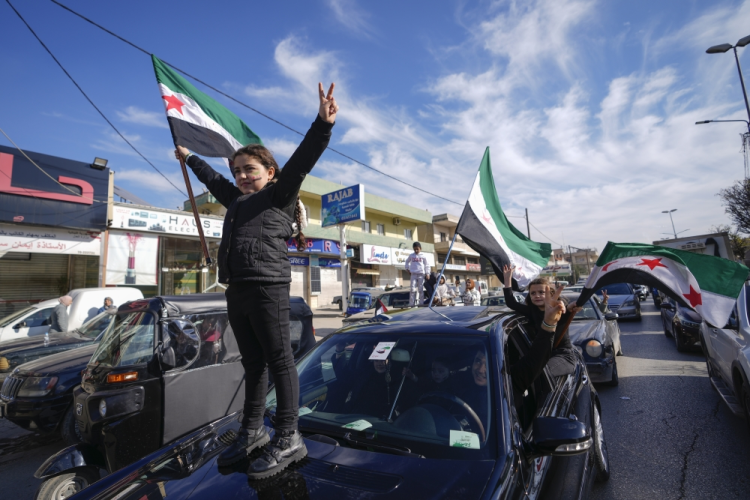
Russia’s Foreign Ministry announced earlier that Assad had left Syria and ordered a peaceful transfer of power. This followed the unopposed entry of rebel forces into Damascus, marking the end of nearly 60 years of Assad family rule.
“President Assad and his family have been granted asylum in Moscow on humanitarian grounds,” the Interfax news agency quoted the Kremlin source as saying. The source emphasized Russia’s commitment to a political resolution to the Syrian crisis, underscoring the need for renewed negotiations under the United Nations’ framework.
The Kremlin source further disclosed that Syrian opposition leaders had pledged to protect Russian military bases and diplomatic missions in the country. This comes as Moscow, a staunch supporter of Assad since its intervention in the Syrian civil war in 2015, works to preserve its geopolitical influence and safeguard two key military installations—its airbase in Latakia’s Hmeimim and the naval facility at Tartous.
The Tartous naval base, Russia’s sole repair and resupply hub in the Mediterranean, plays a critical role in Moscow’s ability to project power in the Middle East and beyond. Western analysts have warned that losing this facility would severely undermine Russia’s strategic position in the region.
On Sunday, Russia’s Foreign Ministry reported that both military bases were on high alert but downplayed any imminent threats. “There is currently no serious danger to their security,” the ministry stated, while also confirming Assad’s resignation and departure from Syria. “As a result of negotiations with various parties in the armed conflict, Assad decided to step down and ensure a peaceful transfer of power. Russia did not participate in these negotiations,” the statement clarified.
Unverified reports suggested that Assad had been in Moscow, where his eldest son was studying, when rebels advanced on Aleppo late last month, before briefly returning to Syria.
In a symbolic move, Reuters journalists noted the Syrian flag had been removed from the country’s embassy in Moscow on Sunday. However, embassy staff told TASS that normal operations would resume on