

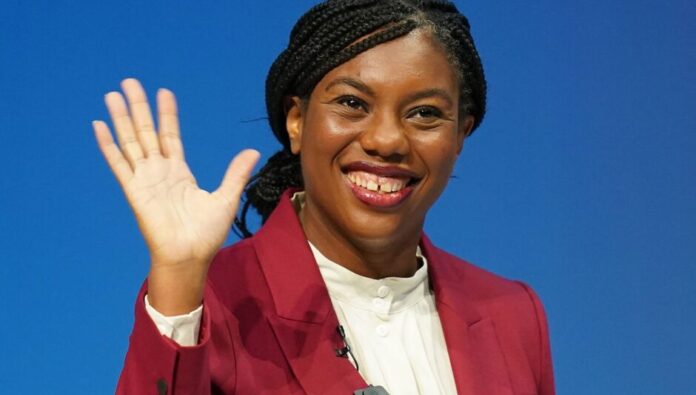
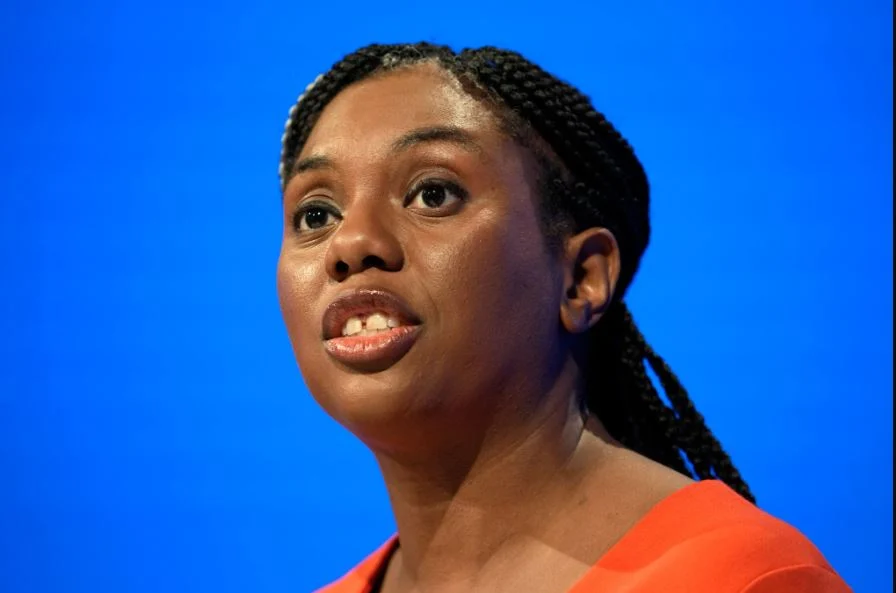
 A fiery transcontinental debate has erupted over Nigeria’s citizenship laws after former Kaduna Central Senator, Shehu Sani, delivered a stinging rebuke to UK Conservative Party leader Kemi Badenoch over her controversial comments regarding Nigeria’s nationality regulations. The war of words, playing out across international media and social platforms, has reignited discussions about diaspora relations, gender equity in citizenship laws, and the complexities of national identity.
The Spark: Badenoch’s CNN Interview Controversy
The diplomatic storm began when Badenoch, the British Business Secretary and prominent Conservative Party figure, appeared on CNN’s Fareed Zakaria GPS program to discuss UK immigration policy. During the segment, the British-Nigerian politician made startling claims about Nigeria’s citizenship framework, stating: “It’s virtually impossible to get Nigerian citizenship… I can’t give it to my children because I’m a woman.”
Her remarks, framed within a broader defense of stricter UK immigration controls, suggested an asymmetrical relationship between Nigerian and British citizenship acquisition. Badenoch, who holds Nigerian citizenship through parentage, argued this created an imbalance where “loads of Nigerians come to the UK and acquire British citizenship” while reverse pathways remained restrictive.
Sani’s Scathing Response
The comments triggered an immediate backlash from Shehu Sani, the outspoken former senator and civil rights activist, who fired back through his official X (formerly Twitter) account with characteristic bluntness. “Why should Kemi Badenoch be bothered about getting Nigerian citizenship for her offspring from a country she rebuked and rejected?” Sani questioned pointedly.
In a follow-up post dripping with rhetorical flourish, the former lawmaker advised: “She should just enjoy her adopted home and leave us alone in our father’s house.” The response highlighted lingering tensions between some Nigerian political figures and diaspora elites perceived as critiquing the homeland from positions of foreign privilege.
Fact-Checking the Citizenship Claims
Legal experts have since scrutinized Badenoch’s assertions about Nigeria’s citizenship laws:
-
Gender Discrimination Charge: While Nigeria’s constitution grants citizenship by birth to persons born to Nigerian fathers, recent court rulings and the Child Rights Act have progressively eroded gender-based distinctions in citizenship transmission.
-
Naturalization Realities: Contrary to “virtually impossible” claims, Nigeria’s constitution provides pathways to citizenship through residency (15 years), marriage (to a Nigerian), or special grant – though bureaucratic hurdles exist.
-
Dual Citizenship: Nigeria recognizes dual nationality, allowing diaspora Nigerians to maintain citizenship while acquiring foreign passports.
The Bigger Picture: Diaspora Relations at Crossroads
The exchange underscores growing tensions in Nigeria-diaspora relations as:
-
Second-generation immigrants like Badenoch navigate complex identity politics
-
Nigerian politicians increasingly challenge diaspora critiques perceived as hypocritical
-
Citizenship law reforms remain caught between traditionalist and progressive factions
Political analyst Dr. Ndi Kato observes: “This isn’t just about legal technicalities – it’s about who gets to define Nigerianness. The diaspora’s voice carries weight, but so does lived experience in Nigeria.”