

 On January 22, 2025, President Donald Trump signed an executive order mandating that the United States government officially recognize only two genders: male and female. This policy reverses previous inclusivity measures, such as the allowance of an ‘X’ gender marker on passports, and has been met with significant backlash from civil rights and LGBTQ+ advocacy groups.
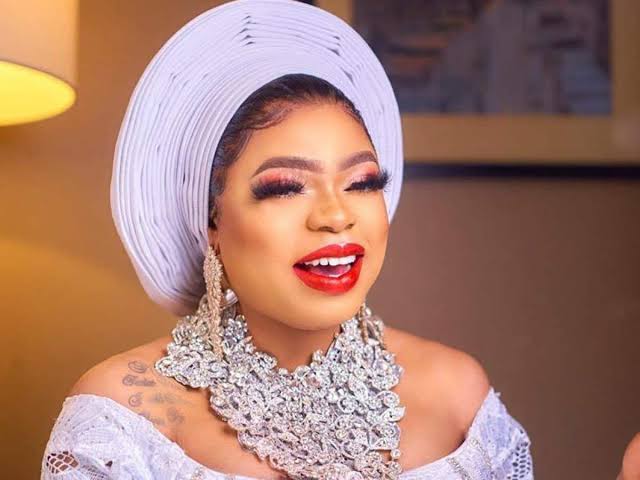
In response to this development, Idris Okuneye, popularly known as Bobrisky—a prominent Nigerian crossdresser and social media personality—addressed the policy on Instagram. Expressing confidence in her identity, Bobrisky stated:
“I don’t have business with Trump. Trump said we have only two genders, right? And I said I am now a woman that has undergone everything. If they ask for evidence, I will show them, simple.”
Bobrisky has been a notable figure in Nigeria, often sparking discussions on gender identity and expression. In March 2020, she declared herself officially a woman, a statement that attracted widespread attention.
President Trump’s executive order has broader implications beyond individual reactions. It directs federal agencies to align their policies with the binary understanding of gender, affecting areas such as housing for transgender inmates and the issuance of federal identification documents. Legal challenges are anticipated as advocacy groups, including the American Civil Liberties Union (ACLU) and the Human Rights Campaign, prepare to contest the order, arguing that it undermines the rights and recognition of transgender and non-binary individuals.
This policy shift marks a significant change from the previous administration’s stance, which had implemented measures to support gender diversity and inclusivity. The current administration’s actions have reignited debates over gender identity, civil rights, and the role of government in defining and recognizing gender.