
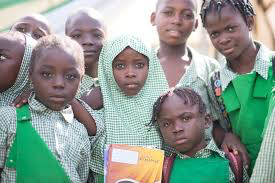
 The Nigerian Senate has passed a bill making it compulsory for every child in the country to sit for three pivotal national examinations: the National Common Entrance Examination (NCEE), the Basic Education Certificate Examination (BECE), and the Senior Secondary Certificate Examination (SSCE).
This legislative move represents one of the most significant interventions in the nation’s education sector in recent years, seeking to create a unified data-driven framework for evaluating the effectiveness of the basic and secondary education system.
The bill, once signed into law, will fundamentally alter the educational journey of millions of Nigerian children.
The mandate covers the transition points at every level of the basic education ladder: the NCEE for entry into unity schools, the BECE at the end of Junior Secondary School, and the SSCE (which includes both WAEC and NECO) at the conclusion of Senior Secondary School.
By making these examinations universal, the government aims to establish a clear and consistent benchmark for student achievement across all 36 states and the Federal Capital Territory, regardless of whether they attend public or private schools.
Proponents of the bill argue that it is a crucial step towards addressing the alarming decline in education quality and ensuring accountability. With every child required to take these exams, the government will garner comprehensive data to identify failing schools, pinpoint regional disparities in learning outcomes, and direct resources and interventions more effectively.
It is also seen as a tool to ensure that no child, particularly those in private institutions that may operate below standard, slips through the cracks without a minimum, nationally recognized level of certification.
However, the policy is not without its significant challenges and critics. A primary concern is the immense logistical and financial burden this will place on the government.
Providing the infrastructure, invigilators, and materials for every single child to sit these exams will require a monumental allocation of funds.
Furthermore, questions arise about the fate of children with special needs and how the system will accommodate different learning abilities within a standardized testing framework.
There are also apprehensions that this could inadvertently lead to an even greater focus on “teaching to the test,” potentially stifling creativity and critical thinking in the classroom.
The success of this ambitious policy will ultimately hinge on the government’s ability to implement it with adequate planning, funding, and sensitivity to the diverse realities of the Nigerian child.